Product Description
Life systems are deeply associated with the mechanical microenvironment. Microgravity regulates the skeletal and cardiovascular systems by inhibiting osteogenic differentiation and activating endothelial apoptosis pathways, revealing the fundamental role of gravity. Hypergravity influences cell fate through mechanisms coupling cell membrane tension and gene expression.
Current aerospace medicine research confirms that hypergravity alters arterial blood pressure distribution via hydrostatic pressure, while microgravity‑based 3D culture has opened new avenues for tissue engineering. The mechanical microenvironment is reshaping our understanding of biological activities from multiple dimensions.
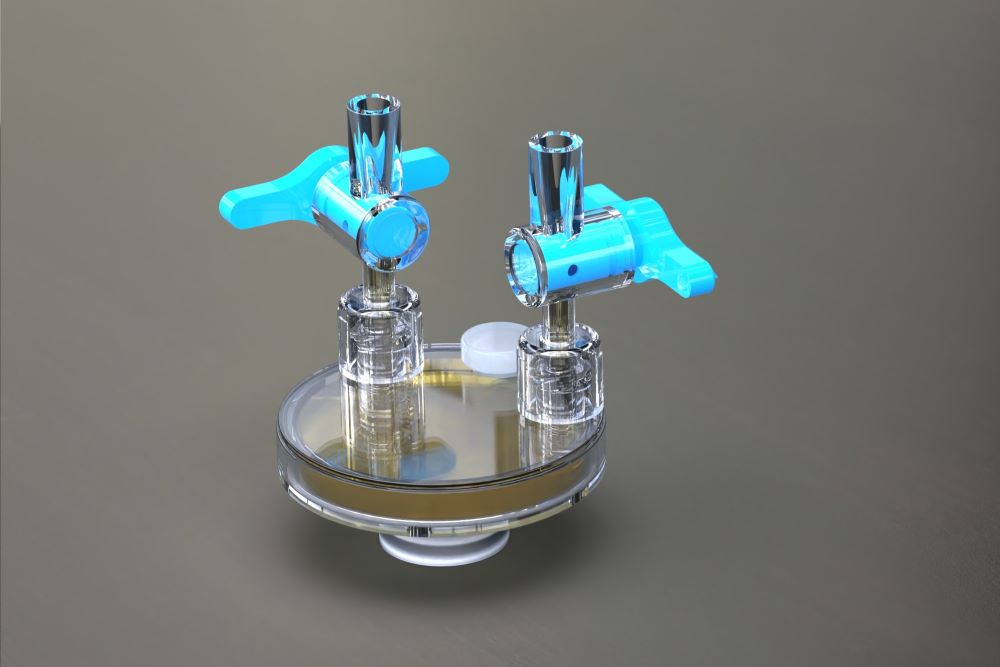
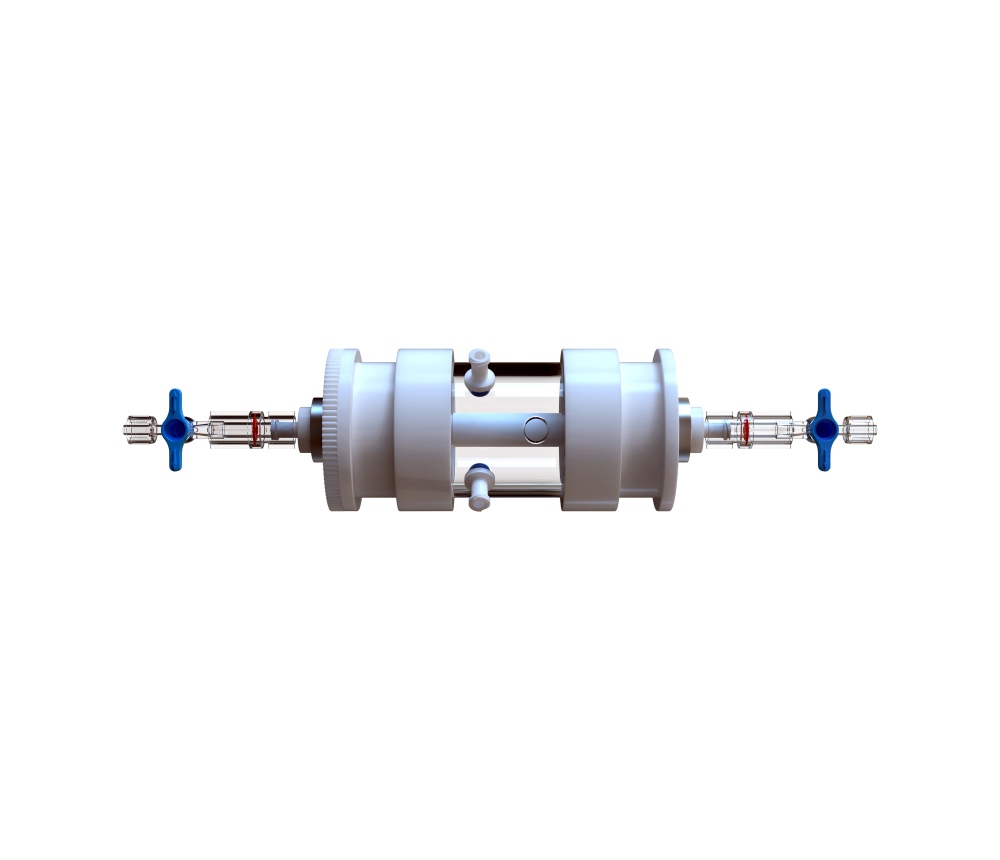
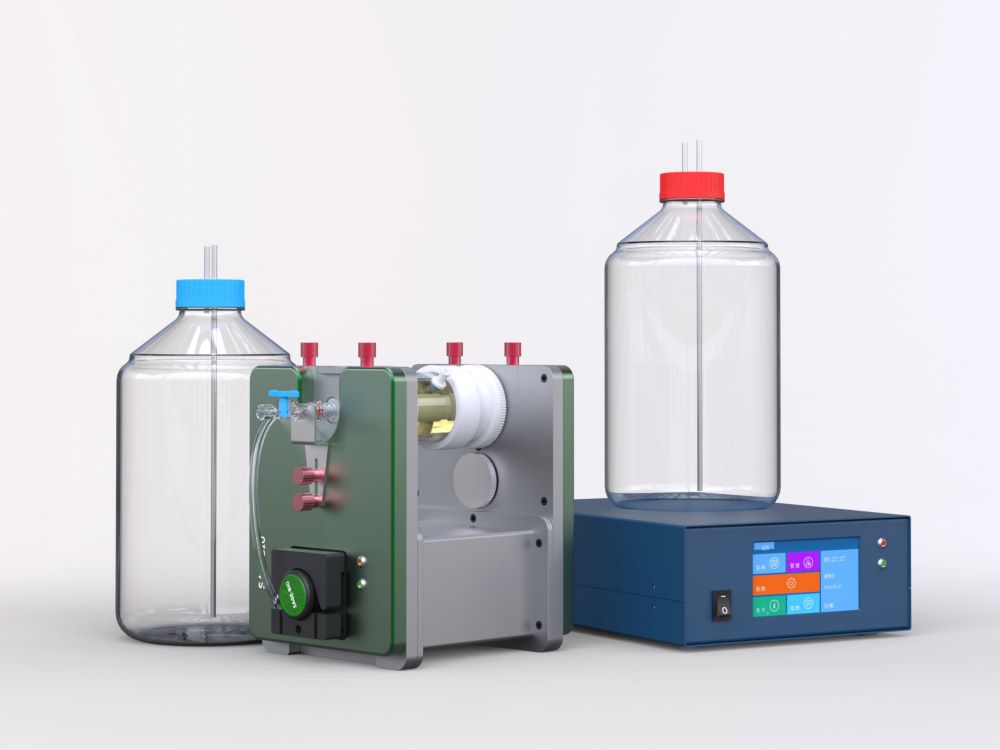
As a pioneer in domestic gravity simulation culture and an innovator in dynamic culture systems, we have developed a full range of dedicated culture vessels, including the SG‑BSV spheroid culture vessel, SG‑RWV rotating wall vessel, SG‑NSV zero‑shear culture vessel, and the Dynamic series of dynamic culture flasks.
These specialized vessels can be rapidly integrated into our
DARC‑G series universal gravity simulation systems to achieve high‑precision, high‑throughput microgravity and hypergravity simulation culture.
We provide users with complete solutions from pre‑sales consultation to after‑sales support, including product selection, experimental design matching, operational guidance, and long‑term technical consulting.
We are committed to helping users achieve their research goals and create value in microgravity simulation, hypergravity simulation, and dynamic 3D cell culture.
Key Advantages
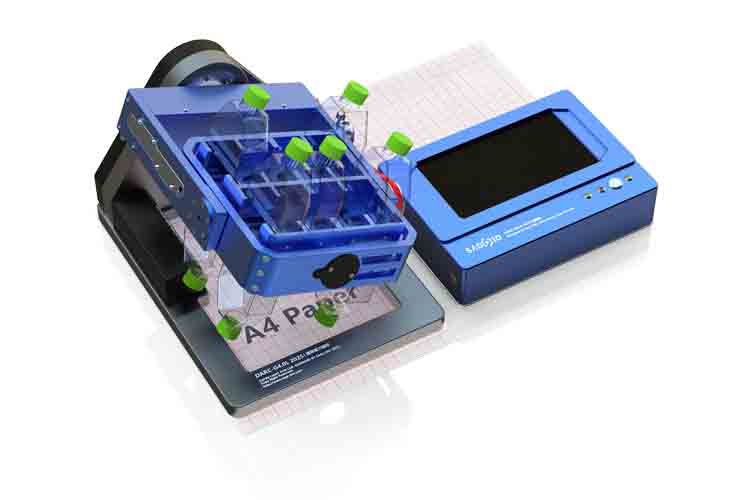
The DARC‑G4.0L Super Mini Dual‑Axis Random Positioning Microgravity & Hypergravity Simulation System features an ultra‑compact design with external dimensions smaller than a single A4 sheet, allowing seamless placement in any standard incubator without space constraints.
Applications
-
Cardiovascular Disease Model Construction
Microgravity induces cardiac tissue contractile dysfunction, mitochondrial damage, and abnormal gene expression, providing in vitro models for studying astronaut cardiac health and aging‑related cardiovascular diseases and revealing molecular mechanisms of oxidative stress and metabolic disorders.
-
Cancer Biology & Therapeutic Research
Microgravity significantly inhibits breast cancer cell migration, promotes apoptosis, and modulates cyclin expression, offering new insights into tumor drug resistance and metastasis. Hypergravity may regulate tumor cell proliferation pathways.
-
Neurodegenerative Disease Modeling
Microgravity accelerates α‑synuclein aggregation and induces oxidative stress, mimicking the pathological progression of Parkinson’s disease. It helps reveal mechanisms of mitochondrial dysfunction and neurotoxicity, supporting disease modeling and drug target screening.
-
Stem Cell Therapy Optimization
Microgravity‑based 3D culture maintains the stemness of mesenchymal stem cells, enhances proliferation, directs differentiation (e.g., toward cardiomyocytes), and strengthens immunomodulatory capacity, providing high‑quality cell sources for regenerative medicine.
-
High‑Precision Drug Screening Platform
Combining 3D cell culture with a microgravity environment to simulate in vivo drug metabolism and target response significantly improves the accuracy of anticancer drug sensitivity testing and promotes the development of personalized therapies.
-
Space Biology & Aerospace Medicine
Microgravity simulation studies cell morphology, proliferation, and metabolic changes, supporting the development of countermeasures for bone loss, muscle atrophy, and other physiological challenges during long‑duration space missions.
-
Tissue Engineering & Regenerative Medicine
Dynamic mechanical stimulation (shear stress, cyclic loading) optimizes extracellular matrix deposition, accelerates bone tissue regeneration and angiogenesis, and supports organoid culture and biomimetic tissue construction.
-
Microbial Space Adaptation Research
Microgravity alters microbial metabolic pathways and drug resistance, providing an experimental platform for space station microbial control and the development of novel antibiotics.
bio-equip.cn
 中文
中文