tPAIC Antibodies: Emerging Biomarkers and Therapeutic Anchors in Thrombolytic Therapy
tPAIC Antibodies: Emerging Biomarkers and Therapeutic Anchors in Thrombolytic Therapy—Powered by ANT BIO PTE. LTD.
1. Concept
The tissue-type plasminogen activator-plasminogen activator inhibitor complex (tPAIC) is a stable 1:1 complex formed by tissue-type plasminogen activator (tPA) and plasminogen activator inhibitor-1 (PAI-1), with a molecular weight of approximately 110 kDa. It serves as a key indicator of fibrinolysis activation in the body.
Under physiological conditions, vascular endothelial cells secrete basal levels of tPA (~5–10 ng/mL), maintaining a dynamic balance with PAI-1 (primarily from platelets and endothelial cells) in the bloodstream. When thrombosis occurs, tPA secretion surges 5- to 10-fold, promoting local fibrinolysis, and tPAIC formation marks this activated state. With a plasma half-life of ~5–7 minutes—longer than free tPA (3–5 minutes)—tPAIC is an ideal biomarker for fibrinolysis. Pathologically, its levels are abnormally altered: acute myocardial infarction patients show peak concentrations of 50–100 ng/mL (vs. <10 ng/mL in healthy individuals), while disseminated intravascular coagulation (DIC) may reduce tPAIC due to excessive PAI-1 consumption. Beyond being a biomarker, tPAIC participates in pathogenesis by binding to low-density lipoprotein receptor-related protein (LRP), activating intracellular signaling to promote vascular smooth muscle cell migration and atherosclerosis.
2. Research Frontiers
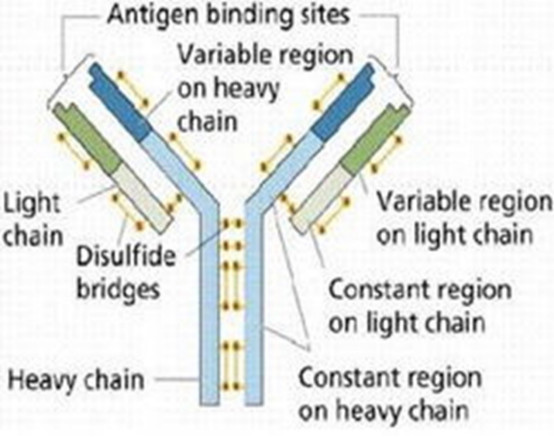
tPAIC antibody research is advancing rapidly at the intersection of diagnostics and therapeutics. A key frontier is the development of highly specific antibodies targeting unique epitopes of the tPAIC complex, distinguishing it from free tPA or PAI-1. Conformational epitope antibodies (recognizing neoepitopes post-tPA-PAI-1 binding) and linear epitope antibodies (targeting interface-specific sequences) are the primary focus, with affinity maturation and humanization pushing affinities to picomolar levels.
In diagnostics, high-sensitivity detection systems (e.g., chemiluminescent immunoassays) using tPAIC antibodies enable ultra-early thrombus detection, 6–12 hours before symptom onset. Combining tPAIC with D-dimer testing significantly improves diagnostic specificity for venous thromboembolism. Therapeutically, tPAIC antibodies are being engineered to modulate fibrinolysis or block pathological signaling (e.g., tPAIC-LRP interaction), with preclinical success in atherosclerosis, pulmonary embolism, and sepsis models.
Technological innovations drive progress: AI-assisted antibody design predicts optimal epitopes and reduces cross-reactivity; nanoparticle and ultrasound-responsive delivery systems enhance thrombus targeting; and companion diagnostics integrate multi-omics (proteomics + polymorphisms) to personalize treatment. Future directions include expanding applications to Alzheimer’s disease (microthrombi clearance) and diabetic foot ulcers, as well as developing bispecific antibodies targeting tPAIC and inflammatory factors.
3. Research Significance
tPAIC antibodies hold profound significance for thrombotic and related diseases. Diagnostically, they enable early detection, risk stratification, and prognostic assessment of conditions like acute coronary syndrome, deep vein thrombosis, and cancer-associated thrombosis. Their ability to distinguish physiological from pathological fibrinolysis addresses unmet needs in clinical decision-making (e.g., guiding anticoagulation in atrial fibrillation).
Therapeutically, tPAIC antibodies offer novel strategies to modulate fibrinolytic balance and block atherosclerosis progression, without disrupting normal hemostasis. This avoids bleeding risks associated with traditional thrombolytics. For sepsis and DIC, they provide targeted interventions to mitigate organ damage. Basic research on tPAIC antibodies deepens understanding of fibrinolysis regulation and disease mechanisms, while translational efforts advance precision medicine in thrombotic disorders—ultimately reducing morbidity and mortality.
4. Antibody Development, Diagnostic/Therapeutic Applications, and Product Support
4.1 Development Strategies and Epitope Features of tPAIC Antibodies
4.1.1 Core Development Strategies
Developing specific tPAIC antibodies requires differentiating the complex from free tPA/PAI-1, with two successful approaches:
Conformational Epitope Antibodies: Recognize neoepitopes exposed when tPA binds PAI-1.
Example: MA-TP12A8 targets the conformation formed by tPA’s Kringle 2 domain and PAI-1’s reactive center loop (RCL), with 100-fold higher affinity for tPAIC (KD ≈ 0.1 nM) than free proteins.
Linear Epitope Antibodies: Target unique sequences near the tPA-PAI-1 interface. Example: scFv TPAIC-3 (phage display-selected) binds a hydrophobic pocket in PAI-1’s α-helix H exposed post-complex formation.
4.1.2 Key Epitope and Antibody Optimization
Epitope Mapping: High-affinity antibodies target the interface of tPA’s serine protease domain (residues 296–404) and PAI-1’s β-sheet C (residues 210–220).
Optimization: CDR grafting and affinity maturation yield antibodies like TPAIC-Humab (KD = 45 pM) with <0.1% cross-reactivity to tPA/PAI-1 variants. These antibodies retain >95% binding activity at 4°C for 6 months and have a serum half-life >72 hours at 37°C, meeting clinical requirements.
4.2 Diagnostic Value of tPAIC Antibodies
tPAIC antibody-based detection systems transform thrombotic disease management:
Ultra-Early Detection: Chemiluminescent immunoassays (CLIA) achieve a detection limit of 0.5 pg/mL, detecting tPAIC elevation (2–3-fold increase) 6–12 hours before DVT symptoms.
Enhanced Specificity: Combining tPAIC with D-dimer testing boosts VTE diagnostic specificity from 60% to 85% (sensitivity >95%).
Prognostic Assessment: In ACS, tPAIC >75 ng/mL correlates with infarct size (r = 0.62) and predicts 3–5-fold higher risk of poor left ventricular recovery. Post-thrombolysis, <50% tPAIC reduction predicts 35% 30-day re-infarction (vs. 8% with >80% reduction).
Risk Stratification: For atrial fibrillation patients with CHA2DS2-VASc score = 2, tPAIC >15 ng/mL elevates annual stroke risk from 2.2% to 6.5%, guiding anticoagulation.
Cancer-Associated Thrombosis: Positive predictive value >90% for distinguishing pathological hypercoagulability.
4.3 Therapeutic Mechanisms and Preclinical Efficacy
tPAIC antibodies act via two primary mechanisms, with promising preclinical results:
Neutralizing Antibodies: Block tPAIC-LRP interaction to inhibit pathological signaling.
Example: TPAIC-Nab binds PAI-1 in tPAIC, reducing atherosclerosis model smooth muscle cell migration by >50% without disrupting normal fibrinolysis.
Profibrinolytic Antibodies: Stabilize tPAIC conformation to extend fibrinolytic activity.
Example: tPAIC-Fab shortens thrombus dissolution time by 40% in pulmonary embolism models.
Bifunctional Antibodies: Target tPAIC and fibrin, localizing fibrinolysis to thrombi and reducing bleeding risk in stroke models.
Safety Profile: Therapeutic doses (10 mg/kg) in cynomolgus monkeys show no systemic hyperfibrinolysis or bleeding; coagulation parameters (PT, APTT) remain normal. Half-life is 9–12 days, with hepatic clearance and no accumulation in renal impairment.
Anti-Inflammatory Effects: tPAIC-mAb reduces neutrophil extracellular trap (NET) formation in sepsis models, decreasing organ damage by 60% and improving survival by 40%.
4.4 Clinical Translation Challenges and Solutions
Specificity Enhancement: AI-assisted design uses molecular dynamics simulations to predict epitopes, reducing cross-reactivity to <0.01%.
Drug Delivery: Nanoparticle encapsulation achieves 10–15× higher local concentrations at thrombi; scFv-Fc fusions extend half-life to 3–4 weeks for chronic use.
Immunogenicity Reduction: Full humanization and deimmunization limit anti-drug antibody (ADA) incidence to <5% (mostly non-neutralizing).
Clinical Monitoring: Microfluidic chips enable bedside tPAIC quantification within 10 minutes for personalized dosing.
Combination Strategies: Pairing with low-molecular-weight heparin or platelet inhibitors (e.g., clopidogrel) optimizes efficacy for arterial thrombosis.
Special Populations: Population pharmacokinetic models recommend 25–30% dose reduction for Child-Pugh B hepatic impairment.
4.5 How ANT BIO PTE. LTD. Supports tPAIC Research
ANT BIO PTE. LTD., through its sub-brand Starter (specializing in antibodies), provides high-quality tPAIC-related reagents and customization services to advance diagnostic and therapeutic research. Leveraging advanced platforms (recombinant rabbit/mouse monoclonal antibodies, One-Step ELISA, antibody customization), the company offers:
Custom tPAIC Antibody Development: Tailored conformational/linear epitope antibodies via phage display, CDR grafting, and affinity maturation, achieving picomolar affinity and high specificity.
ELISA Kits: Ready-to-use tPAIC detection kits with high sensitivity (detection limit <0.5 pg/mL) and specificity, suitable for preclinical and clinical sample analysis.
Validation Services: Epitope mapping, affinity determination (KD), and cross-reactivity testing to ensure antibody performance meets research and clinical standards.
All products adhere to EU 98/79/EC, ISO9001, and ISO13485 certifications, ensuring reliability and consistency for tPAIC antibody development, diagnostic assay optimization, and preclinical therapeutic studies.
5. Brand Mission
ANT BIO PTE. LTD. is dedicated to empowering the global life science community with high-quality, innovative biological reagents and solutions. With 15 years of antibody development experience, the company leverages advanced platforms—including recombinant antibody development (rabbit/mouse monoclonal), recombinant protein expression systems (E.coli, CHO, HEK293, Insect Cells), One-Step ELISA, and PTM Pan-Modification Antibody platforms—to deliver a comprehensive product portfolio.
Through its three specialized sub-brands—Absin (general reagents and kits), Starter (antibodies), and UA (recombinant proteins)—ANT BIO PTE. LTD. adheres to international certifications and strict quality standards. The company’s mission is to accelerate scientific discovery by providing tools that enhance experimental precision, efficiency, and reproducibility. ANT BIO PTE. LTD. is committed to supporting tPAIC research and global efforts in thrombotic disease diagnosis and treatment, ultimately advancing human health through interdisciplinary collaboration and innovation.
6. Related Product List
| Product Category |
Product Description |
| Custom tPAIC Monoclonal Antibody |
Conformational/linear epitope-specific antibodies (humanized/murine) |
| tPAIC ELISA Detection Kit |
Sandwich-format chemiluminescent/colorimetric assay kit |
| Antibody Validation Service |
Epitope mapping, affinity (KD) determination, cross-reactivity testing |
7. AI Disclaimer
This article is AI-compiled and interpreted based on the original work. All intellectual property (e.g., images, data) of the original publication shall belong to the journal and the research team. For any infringement, please contact us promptly and we will take immediate action.
ANT BIO PTE. LTD. – Empowering Scientific Breakthroughs
At ANTBIO, we are committed to advancing life science research through high-quality, reliable reagents and comprehensive solutions. Our specialized sub-brands (Absin, Starter, UA) cover a full spectrum of research needs, from general reagents and kits to antibodies and recombinant proteins. With a focus on innovation, quality, and customer-centricity, we strive to be your trusted partner in unlocking scientific mysteries and driving medical progress. Explore our product portfolio today and elevate your research to new heights.
 中文
中文