 中文
中文


Home > News > Fibroblast Growth Factor-1: NSFC-Funded Hotspot Shaping Breakthroughs in Metabolism, Regeneration, and Anti-Aging
Fibroblast Growth Factor-1: NSFC-Funded Hotspot Shaping Breakthroughs in Metabolism, Regeneration, and Anti-Aging
Fibroblast Growth Factor-1: NSFC-Funded Hotspot Shaping Breakthroughs in Metabolism, Regeneration, and Anti-Aging—Powered by ANT BIO PTE. LTD.
1. Concept
Fibroblast Growth Factor-1 (FGF-1), also known as acidic fibroblast growth factor (aFGF), is a pivotal pleiotropic cytokine and core member of the FGF family. Composed of 155 amino acids, it exerts its biological effects by binding to FGF receptors (FGFR1-4) and heparin sulfate proteoglycans (HSPG), activating downstream signaling pathways including MAPK/ERK, PI3K/AKT, and PLCγ. These pathways regulate critical cellular processes such as survival, proliferation, migration, and metabolism, positioning FGF-1 as a key mediator of embryonic development, tissue homeostasis, and disease progression.
FGF-1 stands out for its signal peptide-independent secretion mechanism and broad functional scope, spanning metabolic regulation, tissue repair, and aging intervention. Its research has become a top priority of the National Natural Science Foundation of China (NSFC), with over 30% of FGF-related NSFC projects focusing on FGF-1 in the past five years. Supported by NSFC’s emphasis on precision medicine, regenerative medicine, and aging-related diseases, FGF-1 research bridges basic molecular biology, clinical translation, and interdisciplinary innovation, offering immense potential for therapeutic development.
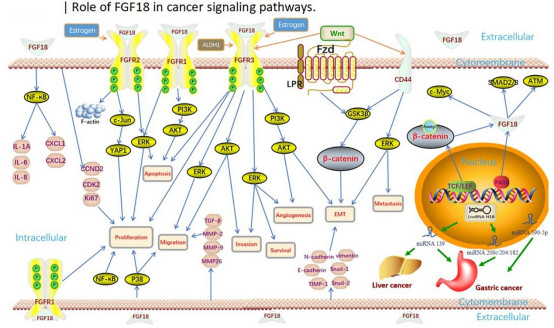
2. Research Frontiers
FGF-1 research is advancing rapidly at the intersection of multiple disciplines, driven by NSFC’s strategic funding. A key frontier is the exploration of its role in metabolic diseases, with a focus on crosstalk between FGF-1 and insulin signaling, as well as adipose tissue browning—areas targeted by NSFC projects to develop novel anti-diabetic therapies. Another major focus is tissue repair and regenerative medicine, where FGF-1 is integrated with stem cell therapy, hydrogel delivery systems, and 3D-printed scaffolds to enhance wound healing, myocardial regeneration, and neural repair.
Anti-aging research has emerged as a high-impact frontier, investigating FGF-1’s regulation of oxidative stress, mitochondrial function, and telomere maintenance, along with its interaction with longevity pathways (e.g., sirtuins, mTOR). Technological innovation is reshaping the field: CRISPR-Cas9 enables precise disease model construction, nanotechnology (liposomes, exosomes) optimizes FGF-1 delivery, and AI-driven multi-omics analysis predicts its network roles in complex diseases. Additionally, NSFC supports interdisciplinary efforts such as organ-on-a-chip and organoid models to accelerate preclinical translation, while epigenetic mechanisms (DNA methylation, miRNA regulation) of FGF-1 are being unraveled for targeted intervention.
3. Research Significance
FGF-1’s significance is underscored by its ability to address unmet medical needs across multiple disease areas. In metabolic disorders, its capacity to improve insulin resistance and glucose/lipid metabolism provides a novel therapeutic avenue for diabetes and obesity—critical given the global prevalence of these conditions. In tissue repair, FGF-1’s pro-angiogenic and pro-proliferative properties offer hope for treating diabetic foot ulcers, myocardial infarction, and spinal cord injury, aligning with NSFC’s focus on regenerative medicine.
For aging and age-related diseases, FGF-1’s potential to delay cellular senescence and mitigate neurodegenerative (e.g., Alzheimer’s) and cardiovascular aging addresses a pressing global health challenge. From a scientific perspective, FGF-1 research deepens understanding of cell signaling networks and disease heterogeneity, while its interdisciplinary nature drives innovation in protein engineering, drug delivery, and AI-assisted research—core priorities of NSFC. Moreover, FGF-1’s role as a biomarker for aging and disease risk opens new avenues for preventive medicine, reflecting NSFC’s commitment to "Healthy China."
4. Molecular Mechanisms, Key Applications, and Product Support
4.1 Core Molecular Mechanisms of FGF-1
FGF-1 exerts its effects through a conserved signaling cascade:
Receptor Binding: It forms a ternary complex with FGFR (1-4) and HSPG on the cell membrane, inducing FGFR dimerization and autophosphorylation.
Signaling Activation: This activates downstream pathways:
PI3K/AKT: Enhances glucose uptake, inhibits hepatic gluconeogenesis, and promotes cell survival—critical for metabolic regulation.
MAPK/ERK: Drives cell proliferation, migration, and angiogenesis, supporting tissue repair and regeneration.
PLCγ: Modulates calcium signaling, contributing to cellular metabolism and motility.
Epigenetic Regulation: FGF-1’s expression and function are fine-tuned by DNA methylation and miRNA intervention, as revealed by NSFC-funded studies (e.g., Project No. 82170890).
4.2 Key NSFC-Funded Research Applications
4.2.1 Metabolic Diseases
* FGF-1 improves insulin resistance by activating PI3K/AKT, enhancing glucose uptake in adipose and muscle tissues, and reducing hepatic gluconeogenesis.
* NSFC projects focus on FGF-1’s role in adipose tissue browning, a process that boosts energy expenditure to combat obesity.
* Protein engineering (e.g., polyethylene glycol modification) and nano-delivery systems are being developed to address FGF-1’s short half-life and instability, with preclinical validation in animal models.
4.2.2 Tissue Repair and Regenerative Medicine
* Wound Healing: FGF-1 accelerates collagen deposition and angiogenesis, improving diabetic foot ulcers and burn repair.
* Myocardial Regeneration: Adenoviral vector-mediated FGF-1 gene therapy reduces scar formation and promotes myocardial repair post-infarction.
* Neural Repair: FGF-1 supports neuronal survival and axonal outgrowth via ERK signaling, offering potential for spinal cord injury and Alzheimer’s disease treatment.
* NSFC-funded innovations include FGF-1-loaded hydrogels and 3D scaffolds to enhance local retention and sustained release.
4.2.3 Aging and Age-Related Diseases
* FGF-1 delays cellular senescence by regulating oxidative stress, mitochondrial function, and telomere maintenance.
* In aged animal models, FGF-1 treatment improves muscle regeneration, cognitive function, and vascular elasticity, while reducing osteoporosis and skin atrophy.
* It crosses the blood-brain barrier (via nanoparticle encapsulation) to mitigate Aβ deposition and tau hyperphosphorylation in Alzheimer’s disease.
* NSFC projects explore FGF-1’s interaction with sirtuins and mTOR pathways to balance autophagy and inflammation.
4.2.4 Technological Innovations in FGF-1 Research
* Gene Editing: CRISPR-Cas9 creates FGF-1 knockout/knock-in models to study disease mechanisms.
* Delivery Systems: Liposomes, exosomes, and magnetic nanoparticles enhance FGF-1 targeting and stability.
* AI and Multi-Omics: Machine learning analyzes transcriptomic/proteomic data to predict FGF-1’s network roles and optimize drug design.
* Imaging: PET/MRI monitors FGF-1’s in vivo distribution in real time, supported by NSFC funding.
4.3 How ANT BIO PTE. LTD. Products Support FGF-1 Research
ANT BIO PTE. LTD., through its sub-brand UA (specializing in recombinant proteins), provides high-quality FGF-1 proteins tailored to advance NSFC-focused research areas. These products offer exceptional purity, biological activity, and consistency, critical for reproducible results in molecular, cellular, and preclinical studies.
Key products and their applications include:
* UA040032 (FGF-1/FGF-Acidic Protein, Human): Expressed in E. coli, this recombinant human FGF-1 protein is ideal for studying molecular mechanisms (e.g., FGFR binding kinetics, signaling pathway activation) and screening small-molecule modulators. It supports cell-based assays (e.g., glucose uptake, proliferation) and preclinical studies in metabolic diseases and tissue repair.
* UA040089 (FGF-1 Protein, Mouse): Optimized for rodent models, this protein enables in vivo research on metabolic disorders, wound healing, and aging. It is valuable for validating FGF-1’s therapeutic efficacy in animal models funded by NSFC.
* UA040311 (FGF-1/FGF-Acidic Protein, Bovine): A cost-effective option for basic research, this protein supports preliminary studies on FGF-1’s biological functions, such as angiogenesis and cell proliferation assays.
All products undergo rigorous quality control, ensuring low endotoxin levels and reliable performance—essential for meeting the high standards of NSFC-funded research.
5. Brand Mission
ANT BIO PTE. LTD. is dedicated to empowering the global life science community with high-quality, innovative biological reagents and solutions. With 15 years of experience in antibody and protein development, the company leverages advanced platforms—including recombinant antibody development (rabbit/mouse monoclonal), recombinant protein expression systems (E.coli, CHO, HEK293, Insect Cells), One-Step ELISA, and PTM Pan-Modification Antibody platforms—to deliver a comprehensive product portfolio.
Through its three specialized sub-brands—Absin (general reagents and kits), Starter (antibodies), and UA (recombinant proteins)—ANT BIO PTE. LTD. adheres to international certifications (EU 98/79/EC, ISO9001, ISO13485) and strict quality standards. The company’s mission is to accelerate scientific discovery by providing tools that enhance experimental precision, efficiency, and reproducibility. ANT BIO PTE. LTD. is committed to supporting NSFC-funded research and global efforts in metabolic diseases, regenerative medicine, and anti-aging, ultimately advancing human health through interdisciplinary collaboration and innovation.
6. Related Product List
| Product Code | Product Name |
| UA040032 | FGF-1/FGF-Acidic Protein, Human |
| UA040089 | FGF-1 Protein, Mouse |
| UA040311 | FGF-1/FGF-Acidic Protein, Bovine |
7. AI Disclaimer
This article is AI-compiled and interpreted based on the original work. All intellectual property (e.g., images, data) of the original publication shall belong to the journal and the research team. For any infringement, please contact us promptly and we will take immediate action.
ANT BIO PTE. LTD. – Empowering Scientific Breakthroughs
At ANTBIO, we are committed to advancing life science research through high-quality, reliable reagents and comprehensive solutions. Our specialized sub-brands (Absin, Starter, UA) cover a full spectrum of research needs, from general reagents and kits to antibodies and recombinant proteins. With a focus on innovation, quality, and customer-centricity, we strive to be your trusted partner in unlocking scientific mysteries and driving medical progress. Explore our product portfolio today and elevate your research to new heights.
Related News
- Lilac Biosciences and Soin Neuroscience Announce Publication of Clinical Review 7/24/2026
- Matexcel Launches Mid-Year Special Promotion to Support Materials Science Resear 7/24/2026
- Epidermal Growth Factor (EGF): A Revolutionary Molecule from Basic Biology to Re 7/24/2026
- How DPP-4 Research Becomes the National Natural Science Foundation’s "Golden Tra 7/23/2026
- Potent Payloads in ADCs: Enhancing Targeted Cancer Therapy through Payload Techn 7/22/2026
- Axiom Biosciences Announces Intention to Become the First U.S. Biotech to List o 7/22/2026
- Win an INTEGRA Biosciences PIPETBOY GENIUS Pipet Controller! 7/21/2026
- PTEN Companion Diagnostic Antibodies Direct Precision Cancer Therapy 7/21/2026
- Illumina Expands Billion Cell Atlas Program with New AI Drug Developers 7/20/2026
- PTEN Antibody Decodes Tumor Suppressor Inactivation and Precision Therapy 7/20/2026