 中文
中文


Home > News > Crafting "High-Fidelity" Animal Models: The Cornerstone of Biomedical Research Success
Crafting "High-Fidelity" Animal Models: The Cornerstone of Biomedical Research Success
- 1. Concept
In the realm of biomedical research, the construction of appropriate animal models stands as a foundational and pivotal undertaking. Constrained by ethical considerations and practical limitations that preclude direct investigation of disease mechanisms or therapeutic efficacy in humans, animal models have evolved into indispensable tools for scientific inquiry. The quality of these models often serves as a decisive factor in determining the smooth progression of research projects and the reliability of their outcomes.
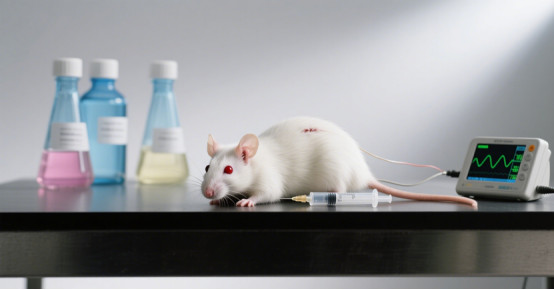
Animal modeling, formally known as "human disease animal model construction," entails the application of physical, chemical, biological, or genetic experimental approaches to induce, replicate, or genetically edit laboratory animals, endowing them with physiological, pathological, or behavioral traits that mirror human diseases. The resulting organisms are designated as "human disease animal models." The core objective of this process is to establish a "surrogate system" that simulates human diseases, facilitating the study of disease pathogenesis, the evaluation of the safety and efficacy of novel drugs or therapies, and the conduct of exploratory research that is infeasible in human subjects.
2. Research Frontiers
Contemporary research in animal modeling is advancing toward greater precision, specificity, and translational relevance. One prominent frontier is the development of genetically engineered models using cutting-edge techniques such as CRISPR-Cas9, which enable targeted modification of genes associated with human diseases. These models offer unprecedented accuracy in simulating monogenic and complex polygenic disorders, providing insights into the molecular mechanisms underlying disease initiation and progression.
Another key area of innovation is the refinement of humanized animal models, where human cells, tissues, or organs are transplanted into immunodeficient animals. This approach enhances the similarity between animal models and human physiology, particularly in studies related to immunology, oncology, and infectious diseases, as it allows for the evaluation of human-specific therapeutic responses.
Additionally, there is a growing focus on dynamic and personalized animal models that recapitulate the heterogeneity of human diseases. For example, patient-derived xenograft (PDX) models, generated by transplanting tumor tissue from individual cancer patients into mice, preserve the unique genetic and phenotypic characteristics of the original tumor, enabling personalized drug testing and precision medicine research.
Advancements in non-invasive imaging technologies and multi-omics analysis (genomics, transcriptomics, proteomics) are also transforming animal modeling. These tools allow for real-time monitoring of disease progression and comprehensive characterization of model phenotypes, enhancing the ability to validate model fidelity and translational potential.
Furthermore, research is increasingly emphasizing the standardization and reproducibility of animal models, addressing the "reproducibility crisis" in biomedical research. This includes the development of standardized operating protocols (SOPs), the sharing of model resources, and the integration of artificial intelligence (AI) to optimize experimental design and data analysis.
3. Research Significance
The significance of high-quality animal models in biomedical research cannot be overstated. They serve as critical bridges between basic science and clinical applications, enabling researchers to:
Unravel Disease Mechanisms: Animal models provide a controlled system to study the molecular, cellular, and physiological changes that occur during disease development, identifying key pathogenic factors and signaling pathways.
Evaluate Therapeutic Efficacy and Safety: Before advancing to human clinical trials, novel drugs, vaccines, and therapeutic strategies must undergo rigorous testing in animal models to assess their efficacy, pharmacokinetics, and potential adverse effects.
Facilitate Translational Research: By simulating human disease phenotypes, animal models enable the translation of basic research findings into clinical applications, accelerating the development of new treatments for unmet medical needs.
Enable Exploratory Research: Animal models allow for the conduct of experiments that are ethically or practically impossible in humans, such as studying the long-term effects of environmental toxins or investigating early-stage disease processes.
Moreover, reliable animal models contribute to the reduction of research costs and the optimization of clinical trial design. By identifying promising therapeutic candidates early in the research pipeline, animal models help avoid costly failures in later-stage clinical trials, ultimately advancing the pace of medical innovation.
4. Key Principles, Construction Methods, and Product Applications
4.1 Core Principles for Constructing High-Fidelity Animal Models
4.1.1 Ensuring Similarity to Human Diseases
Animal models should replicate the core features of the target human disease, including physiological changes, behavioral manifestations, and pathological mechanisms. To enhance similarity:
Select Appropriate Animal Species: Prioritize animals that are sensitive to the target disease and share significant physiological, anatomical, and genetic similarities with humans. For example, rabbits are commonly used in hyperlipidemia research due to their lipid profiles and lipoprotein composition, which closely resemble those of humans.
Refine Modeling Methods: Continuously optimize experimental approaches to better simulate human pathological processes. For instance, traditional intravenous endotoxin injection fails to fully replicate clinical septic shock; improved methods, such as intragallbladder bacterial injection combined with vascular ligation, can simulate both infection and ischemia, more closely mirroring the complex pathophysiology of human sepsis.
It is important to acknowledge that no animal model can fully replicate the entirety of a human disease. Model experiments are inherently indirect, and their conclusions are relative, requiring subsequent clinical validation. If significant discrepancies arise during modeling, researchers must clearly define the scope of these differences, assess their impact, and identify parallel features with research value.
4.1.2 Achieving Reproducibility and Standardization
An ideal animal model should be highly reproducible and amenable to standardized operations. To enhance reproducibility, strict control of the following factors is essential:
Animal-Related Factors: Strain, age, sex, weight, health status, and housing conditions.
Environment-Related Factors: Temperature, humidity, circadian rhythms, seasonal influences, noise, and cleanliness.
Operation-Related Factors: Experimental procedures, drug sources and dosages, equipment, and technical proficiency.
Only by ensuring systemic consistency across these variables can experimental results be reliably reproduced and compared across studies.
4.1.3 Ensuring Model Reliability
A reliable animal model should accurately reflect key indicators of the target disease, including clinical symptoms, biochemical changes, imaging features, or histopathological alterations. The model must exhibit high specificity to avoid confusion with spontaneous diseases or other concurrent pathologies. For example, while rats can be used in lead poisoning studies, they are prone to spontaneous nephropathy, which can complicate the interpretation of toxic renal injury. In contrast, Mongolian gerbils are less susceptible to spontaneous nephropathy, making them more suitable for studying lead-induced renal toxicity.
Model reliability must be validated through multiple complementary indicators, including behavioral observations, blood tests, imaging diagnostics, and histopathological analyses, ensuring stable and specific simulation of the target disease state.
4.1.4 Balancing Applicability and Controllability
Animal models must be scientifically valid while also ensuring practical feasibility and controllability of disease progression. For example, although estrogen can terminate pregnancy in rats or mice, this model is not suitable for human pregnancy-related research due to fundamental differences in underlying mechanisms.
Furthermore, animals that are overly sensitive to pathogenic factors, leading to rapid death, are unsuitable for long-term studies. For instance, dogs injected intraperitoneally with fecal filtrate are prone to acute peritonitis and rapid death, making such models difficult to use for intervention trials due to high individual variability and low reproducibility.
4.1.5 Balancing Ease of Use and Cost-Effectiveness
During model development, operational feasibility, time costs, and economic investment must be comprehensively considered. Priority should be given to small animals such as rats and mice, which are readily available, cost-effective, and easy to house and handle. These animals have well-defined genetic backgrounds and controlled microbiological status, and are easier to standardize in terms of age, sex, and weight.
Non-human primates, while physiologically and anatomically closest to humans, are limited by availability, high cost, and ethical considerations, making them suitable only for specific disease studies (e.g., poliomyelitis or dysentery). In most cases, rodents can be used to construct highly effective models that simulate human diseases.
Additionally, modeling methods, detection indicators, and technical approaches should adhere to principles of simplicity and efficiency, avoiding overly complex or expensive schemes to enhance overall feasibility and broader applicability.
4.2 Common Animal Modeling Methods
4.2.1 Spontaneous Animal Models
These models arise from naturally occurring genetic mutations or pathological conditions in laboratory animals, which closely resemble human diseases. Spontaneous models are often highly valuable due to their natural disease progression and similarity to human pathophysiology. Examples include certain strains of mice that spontaneously develop diabetes, hypertension, or tumors. The identification and validation of spontaneous models rely on meticulous long-term observation of animal populations.
4.2.2 Induced Animal Models
Induced models are constructed by applying external stimuli to laboratory animals to induce disease phenotypes. Common induction methods include:
Biological Induction: Infection with pathogens (e.g., viruses, bacteria, parasites) to create infectious disease models (e.g., mouse models of influenza or COVID-19).
Chemical Induction: Administration of chemical agents (e.g., carcinogens, toxins, or drugs) to induce specific diseases (e.g., dimethylbenzanthracene-induced breast cancer models in rats).
Physical Induction: Application of physical stimuli (e.g., trauma, radiation, or vascular ligation) to replicate disease states (e.g., middle cerebral artery occlusion models of stroke in mice).
Genetic Induction: Genetic modification techniques (e.g., CRISPR-Cas9, transgenic technology, or gene knockout) to alter the expression of disease-related genes (e.g., APP/PS1 transgenic mouse models of Alzheimer's disease).
4.3 How ANT BIO PTE. LTD. Products Support Animal Modeling Research
ANT BIO PTE. LTD., through its sub-brand Starter—specializing in high-quality antibodies—provides essential tools for validating and characterizing animal models, ensuring the fidelity and reliability of research outcomes. The company’s recombinant rabbit monoclonal antibodies, including a range of Tau-specific antibodies, are particularly valuable for studying neurological diseases and other pathologies involving Tau protein dysregulation.
Key applications of ANT BIO PTE. LTD. antibodies in animal modeling research include:
Phenotype Validation: Antibodies such as S0B3218 (Tau Recombinant Rabbit mAb) and S0B3506 (Tau (phospho T205) Recombinant Rabbit mAb) enable researchers to confirm the expression and phosphorylation status of Tau protein in animal models of Alzheimer's disease or other tauopathies. Through techniques such as Western blotting, immunohistochemistry (IHC), and immunofluorescence (IF), researchers can verify that the model exhibits the characteristic pathological changes of the target disease.
Mechanism Exploration: By detecting changes in the expression or modification of target proteins (e.g., phosphorylated Tau) in animal models, researchers can investigate the molecular mechanisms underlying disease progression, identifying key signaling pathways and potential therapeutic targets.
Therapeutic Efficacy Assessment: In preclinical studies, ANT BIO PTE. LTD. antibodies can be used to evaluate the impact of experimental therapies on disease-related biomarkers. For example, in a Tauopathy model, antibodies can detect changes in Tau phosphorylation levels following drug treatment, providing quantitative data on therapeutic efficacy.
Histopathological Analysis: IHC staining with specific antibodies allows for the visualization of protein localization and distribution in tissue sections, helping researchers characterize the spatial and temporal progression of pathological changes in animal models.
All ANT BIO PTE. LTD. antibodies undergo rigorous quality control, ensuring high specificity, purity, and consistency—critical for generating reliable and reproducible data in animal modeling research.
5. Brand Mission
ANT BIO PTE. LTD. is dedicated to empowering the global life science community by delivering high-quality, reliable biological reagents and innovative solutions. With 15 years of experience in antibody development, the company leverages advanced technology platforms—including recombinant rabbit monoclonal antibody, recombinant mouse monoclonal antibody, rapid mouse monoclonal antibody, and recombinant protein development systems (E.coli, CHO, HEK293, Insect Cells)—as well as One-Step ELISA and PTM Pan-Modification Antibody platforms to meet the diverse needs of researchers.
Through its three specialized sub-brands—Absin (general reagents and kits), Starter (antibodies), and UA (recombinant proteins)—ANT BIO PTE. LTD. adheres to the highest international standards, holding EU 98/79/EC, ISO9001, and ISO13485 certifications. The company’s mission is to accelerate scientific discovery by providing tools that enhance experimental rigor, reproducibility, and efficiency, while upholding ethical principles and animal welfare. ANT BIO PTE. LTD. is committed to supporting researchers in advancing basic research, drug development, and translational medicine—ultimately improving human health worldwide.
6. Related Product List
| Product Code | Product Name |
| S0B3218 | Tau Recombinant Rabbit mAb (SDT-173-26) |
| S0B3059 | Tau Recombinant Rabbit mAb (SDT-171-45) |
| S0B3506 | Tau (phospho T205) Recombinant Rabbit mAb (SDT-2034-37-2) |
| S0B3505 | Tau (phospho T205) Recombinant Rabbit mAb (SDT-2034-37) |
| S0B3504 | Tau (phospho T205) Recombinant Rabbit mAb (SDT-2034-24) |
7. AI Disclaimer
This article is AI-compiled and interpreted based on the original work. All intellectual property (e.g., images, data) of the original publication shall belong to the journal and the research team. For any infringement, please contact us promptly and we will take immediate action.
ANT BIO PTE. LTD. – Empowering Scientific Breakthroughs
At ANTBIO, we are committed to advancing life science research through high-quality, reliable reagents and comprehensive solutions. Our specialized sub-brands (Absin, Starter, UA) cover a full spectrum of research needs, from general reagents and kits to antibodies and recombinant proteins. With a focus on innovation, quality, and customer-centricity, we strive to be your trusted partner in unlocking scientific mysteries and driving medical progress. Explore our product portfolio today and elevate your research to new heights.
Related News
- Lilac Biosciences and Soin Neuroscience Announce Publication of Clinical Review 7/24/2026
- Matexcel Launches Mid-Year Special Promotion to Support Materials Science Resear 7/24/2026
- Epidermal Growth Factor (EGF): A Revolutionary Molecule from Basic Biology to Re 7/24/2026
- How DPP-4 Research Becomes the National Natural Science Foundation’s "Golden Tra 7/23/2026
- Potent Payloads in ADCs: Enhancing Targeted Cancer Therapy through Payload Techn 7/22/2026
- Axiom Biosciences Announces Intention to Become the First U.S. Biotech to List o 7/22/2026
- Win an INTEGRA Biosciences PIPETBOY GENIUS Pipet Controller! 7/21/2026
- PTEN Companion Diagnostic Antibodies Direct Precision Cancer Therapy 7/21/2026
- Illumina Expands Billion Cell Atlas Program with New AI Drug Developers 7/20/2026
- PTEN Antibody Decodes Tumor Suppressor Inactivation and Precision Therapy 7/20/2026