|
USP Family: Deubiquitinases Shaping Multidimensional Regulatory Networks and Disease Landscapes
hits:73 Date:04/15/26
USP Family: Deubiquitinases Shaping Multidimensional Regulatory Networks and Disease Landscapes—Supported by ANT BIO PTE. LTD.
1. Concept
The ubiquitin-specific protease (USP) family, the largest subclass of deubiquitinases (DUBs) with approximately 60 members, serves as a central regulator of protein homeostasis in eukaryotes. All USP members share a conserved cysteine protease domain that specifically recognizes and cleaves ubiquitin moieties conjugated to substrate proteins. What distinguishes the family is its structural diversity in auxiliary domains—including ubiquitin-associated domains (UBA), ubiquitin-like domains (UBL), zinc finger motifs (ZnF), and protein interaction modules—which dictate substrate specificity, subcellular localization, and regulatory modes of individual members.
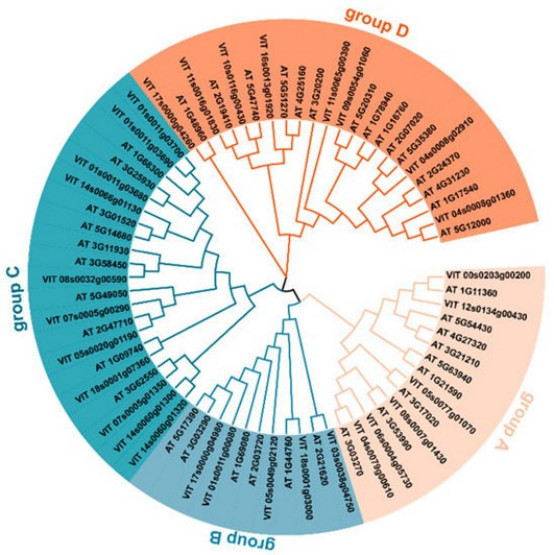
Phylogenetic analysis classifies USPs into specialized subfamilies: USP1/12/15/46 require cofactors (e.g., UAF1) for full activity; USP4/11/15 harbor unique DUSP-UBL domain combinations; and USP7/47 feature extended TRAF domains. Notably, members like USP39 and USP49 contain RNA-binding motifs, enabling non-canonical roles in RNA metabolism. The USP family expands significantly in higher eukaryotes—human genomes encode six times more USPs than yeast—reflecting the complex protein homeostasis needs of multicellular organisms. Evolutionarily, some USPs (e.g., USP22, USP44) are highly conserved across species, while others (e.g., USP25, USP29) are mammal-specific, linked to advanced physiological regulation.
2. Research Frontiers
USP family research is advancing at the intersection of structural biology, signal transduction, and translational medicine. A key frontier is the elucidation of context-dependent regulation—how auxiliary domains and post-translational modifications (PTMs) fine-tune USP activity. Structural studies using cryo-EM and X-ray crystallography are uncovering activation mechanisms, such as conformational changes induced by cofactor binding (e.g., UAF1-USP1 interaction).
Another major focus is the role of USPs in disease-specific networks. In cancer, researchers are mapping oncogenic/tumor-suppressive roles of USPs across tumor types, with a push for selective inhibitors. In neurodegeneration, studies explore how USP dysfunction drives protein aggregation (e.g., tau in Alzheimer’s disease). Additionally, the interplay between USPs and pathogens (e.g., HIV, SARS-CoV-2 hijacking USP functions) is an emerging area for anti-infective drug development.
Technological innovations are transforming the field: AI-driven drug design addresses USP family redundancy to develop selective inhibitors; PROTAC (Proteolysis-Targeting Chimera) technology enables targeted degradation of USPs; and single-cell multi-omics reveals tissue-specific USP functions. Future directions include exploring USP roles in aging and metabolic diseases, as well as developing tissue-specific delivery systems to enhance therapeutic safety.
3. Research Significance
The USP family’s significance lies in its control of nearly all key cellular processes—cell cycle progression, DNA damage repair, protein quality control, and signal transduction. Dysregulation of USPs is linked to cancer, neurodegenerative diseases, autoimmune disorders, and infectious diseases, making them prime therapeutic targets.
In basic research, USPs provide insights into protein homeostasis mechanisms, revealing how cells maintain balance amid dynamic physiological changes. Translational research has yielded promising therapeutics: USP7 inhibitors are in clinical trials for cancer, while USP14 inhibitors show potential for Alzheimer’s disease. For infectious diseases, targeting pathogen-USP interactions offers novel anti-viral/anti-bacterial strategies.
Moreover, USP research bridges molecular biology and precision medicine, with the potential to develop personalized therapies based on USP expression profiles. Understanding USP regulatory networks also uncovers new biomarkers for disease diagnosis and prognosis, addressing unmet medical needs across multiple therapeutic areas.
4. Regulatory Mechanisms, Physiological Roles, and Product Applications
4.1 Molecular Regulation of USP Activity
USPs exhibit multi-layered regulation to ensure precise function:
Structural Activation: Most USPs have catalytic pockets blocked in resting states; binding to specific ubiquitin chains or cofactors (e.g., UAF1 for USP1, MDM2 for USP7) induces conformational changes to activate catalysis.
Post-Translational Modifications: Phosphorylation (e.g., CDK1-mediated USP22 activation, AKT-regulated USP4 nucleocytoplasmic shuttling) and acetylation (e.g., USP10-p53 interaction modulation) fine-tune activity. Self-deubiquitination (e.g., USP7, USP15) forms autoregulatory loops.
Subcellular Localization: Nuclear localization/export signals (NLS/NES) drive USP redistribution in response to cellular signals (e.g., USP3 dissociation from chromatin after DNA damage, USP11 translocation to mitochondria under oxidative stress).
Metabolite Regulation: Small molecules like GTP (USP7 allosteric activator) and ROS (USP1 cysteine oxidation inhibitor) link USP activity to cellular metabolic status.
4.2 Core Physiological Functions
USPs orchestrate diverse cellular processes through complex regulatory networks:
Cell Cycle Control: USP44 (spindle checkpoint component) ensures chromosome segregation; USP16 (histone H2A deubiquitinase) regulates mitosis; USP22 drives G1/S transition. Dysfunction leads to genomic instability.
DNA Damage Response (DDR): USP1 stabilizes FANCD2 for repair; USP11 regulates RAD51 in homologous recombination; USP28 supports 53BP1 in non-homologous end joining. ATM/ATR kinases activate USPs to amplify DDR signals.
Protein Quality Control: USP14/UCHL5 (19S proteasome components) regulate substrate degradation; USP19/USP25 mediate ERAD pathway misfolded protein fate; USP10/USP13 participate in selective autophagy; USP30 inhibits mitophagy.
Signal Transduction: USP4/USP7 stabilize β-catenin (Wnt pathway); USP15/USP21 regulate NF-κB-mediated inflammation; USP9X stabilizes SMAD4 (TGF-β pathway) and modulates synaptic plasticity.
4.3 Disease Associations
USP dysfunction is implicated in major human diseases:
Cancer: USP7 (stabilizes MDM2/N-Myc) is overexpressed in multiple cancers; USP9X (MCL1 stabilizer) enhances tumor cell survival; USP22 (c-Myc regulator) drives metabolic reprogramming. USP inhibitors (e.g., P5091, FT-671) are in clinical development.
Neurodegenerative Diseases: USP14 loss leads to tau accumulation (Alzheimer’s); USP8 regulates Parkin (Parkinson’s); USP30 overactivation inhibits mitophagy, exacerbating neurodegeneration.
Autoimmune/Inflammatory Diseases: USP18 inhibits type I interferon (infantile encephalitis); USP15 modulates TGF-β signaling (inflammatory bowel disease); USP21 regulates Th17 cell differentiation (autoimmune disorders).
Infectious Diseases: HIV Vpr recruits USP15 for replication; EBV EBNA1 uses USP7 to evade degradation; SARS-CoV-2 PLpro inhibits host USPs to escape immunity.
4.4 USP-Targeted Therapy
Current therapeutic strategies include:
Small-Molecule Inhibitors: Catalytic pocket competitors (e.g., ML323 for USP1) and emerging allosteric inhibitors (targeting protein interaction interfaces) improve selectivity.
Protein Degraders: PROTACs (e.g., USP8 degraders) and molecular glues induce USP ubiquitination/degradation, overcoming inhibitor resistance.
Gene Therapy: Antisense oligonucleotides (USP30 targeting for Parkinson’s) and CRISPR-based editing (USP28 for radiosensitization) address hard-to-target USPs.
4.5 How ANT BIO PTE. LTD. Products Support USP Research
ANT BIO PTE. LTD., via its sub-brand UA (specializing in recombinant proteins), provides high-quality human USP proteins to advance mechanistic and translational research. These products offer exceptional purity, biological activity, and consistency—critical for reproducible experiments.
Key products and applications:
UA080153 (USP3 Protein): Baculovirus-Insect Cells-expressed USP3, ideal for studying DDR and chromatin-related functions.
UA080500 (USP14 Protein): E.coli-expressed USP14, supports neurodegenerative disease research (e.g., tau metabolism assays) and proteasome function studies.
UA080269 (USP46 Protein, Human): E.coli-expressed USP46, used to investigate cofactor-dependent activation (e.g., UAF1 interaction) and neuronal signaling.
UA080254 (USP8 Protein): Baculovirus-Insect Cells-expressed USP8, valuable for Parkinson’s disease research (Parkin regulation) and PROTAC development.
UA080235 (USP9X Protein): E.coli-expressed USP9X, enables studies on TGF-β signaling, MCL1 stabilization, and synaptic plasticity.
All products undergo rigorous quality control, ensuring low endotoxin levels and reliable performance for in vitro assays, inhibitor screening, and structural biology studies.
5. Brand Mission
ANT BIO PTE. LTD. is dedicated to empowering the global life science community with high-quality, innovative biological reagents and solutions. With 15 years of experience in antibody and protein development, the company leverages advanced platforms—including recombinant antibody development (rabbit/mouse monoclonal), recombinant protein expression systems (E.coli, CHO, HEK293, Insect Cells), One-Step ELISA, and PTM Pan-Modification Antibody platforms—to deliver a comprehensive product portfolio.
Through its three specialized sub-brands—Absin (general reagents and kits), Starter (antibodies), and UA (recombinant proteins)—ANT BIO PTE. LTD. adheres to international certifications (EU 98/79/EC, ISO9001, ISO13485) and strict quality standards. The company’s mission is to accelerate scientific discovery by providing tools that enhance experimental precision, efficiency, and reproducibility. ANT BIO PTE. LTD. is committed to supporting USP research and global efforts in cancer, neurodegeneration, and infectious disease treatment, ultimately advancing human health through interdisciplinary collaboration and innovation.
6. Related Product List
| Product Code |
Product Name |
Product Details |
| UA080153 |
USP3 Protein |
Host: Human; Expression System: Baculovirus-Insect Cells; Conjugation: Unconjugated |
| UA080500 |
USP14 Protein |
Host: Human; Expression System: E.coli; Conjugation: Unconjugated |
| UA080269 |
USP46 Protein, Human |
Host: Human; Expression System: E.coli; Conjugation: Unconjugated |
| UA080248 |
USP25 Protein |
Host: Human; Expression System: E.coli; Conjugation: Unconjugated |
| UA080254 |
USP8 Protein |
Host: Human; Expression System: Baculovirus-Insect Cells; Conjugation: Unconjugated |
| UA080253 |
USP21 Protein |
Host: Human; Expression System: E.coli; Conjugation: Unconjugated |
| UA080252 |
USP48 Protein |
Host: Human; Expression System: Baculovirus-Insect Cells; Conjugation: Unconjugated |
| UA080242 |
USP32 Protein |
Host: Human; Expression System: E.coli; Conjugation: Unconjugated |
| UA080235 |
USP9X Protein |
Host: Human; Expression System: E.coli; Conjugation: Unconjugated |
| UA080234 |
USP9X Protein |
Host: Human; Expression System: E.coli; Conjugation: Unconjugated |
7. AI Disclaimer
This article is AI-compiled and interpreted based on the original work. All intellectual property (e.g., images, data) of the original publication shall belong to the journal and the research team. For any infringement, please contact us promptly and we will take immediate action.
ANT BIO PTE. LTD. – Empowering Scientific Breakthroughs
At ANTBIO, we are committed to advancing life science research through high-quality, reliable reagents and comprehensive solutions. Our specialized sub-brands (Absin, Starter, UA) cover a full spectrum of research needs, from general reagents and kits to antibodies and recombinant proteins. With a focus on innovation, quality, and customer-centricity, we strive to be your trusted partner in unlocking scientific mysteries and driving medical progress. Explore our product portfolio today and elevate your research to new heights.
|
 中文
中文