中文
中文


AELAB Thin Layer Chromatography (TLC) Scanner & Automatic TLC Sampler

- Product Detail
- Company Profile
- Quantitative and qualitative TLC analysis
- Reflection and transmission measurement
- Absorption and fluorescence detection
- Multi-wavelength chromatographic scanning
- Image-guided scanning and trajectory correction
- Fingerprint and chromatographic pattern analysis
- Software-controlled data acquisition and processing
- Automatic non-contact TLC sample application
- Controlled strip and band formation
- High-precision stepper-motor positioning
- Adjustable spotting length and dispensing speed
- Real-time spotting-status display
- Computer-controlled method programming
- Storage of multiple TLC application methods
- Pharmaceutical identification and quality control
- Herbal medicine and botanical fingerprint analysis
- Traditional medicine research and evaluation
- Food and beverage composition testing
- Food contaminant and residue screening
- Chemical compound separation and identification
- Biochemical and clinical laboratory research
- Environmental pollutant screening
- Cosmetic ingredient analysis
- Academic and university laboratory teaching
- Chromatographic fingerprint comparison
- Quantitative TLC and densitometric evaluation
- More consistent TLC sample positioning and application
- Improved repeatability between plates and analytical batches
- Reduced dependence on manual spotting technique
- Faster processing of multiple samples
- Quantitative evaluation of chromatographic zones
- Electronic storage of methods and analytical data
- Improved standardization of quality-control procedures
- Better traceability and documentation of TLC results
- Solutions for both TLC sample application and chromatographic scanning
- Automatic non-contact spotting for standardized sample preparation
- Quantitative and qualitative thin layer chromatography analysis
- Multiple optical detection and scanning methods
- Computer-controlled operation and method management
- Solutions suitable for research and quality-control laboratories
- Technical model-selection assistance before quotation
- International supply, export packaging and shipping support
- Configuration and accessory support according to laboratory requirements
AELAB provides thin layer chromatography instruments for TLC sample application, chromatographic scanning, qualitative analysis, quantitative measurement and laboratory quality control. These systems are designed for pharmaceutical laboratories, research institutions, universities, food testing laboratories, chemical analysis facilities and industrial quality control departments.
The AELAB TLC product range includes automatic TLC sample spotting equipment and advanced thin layer chromatography scanners. Together, these instruments can support a more standardized workflow from precise sample application to chromatographic detection, imaging and quantitative evaluation.
Customers can compare AELAB TLC instruments according to the required spotting method, sample volume, plate size, scanning wavelength, detection method, software functions, laboratory throughput and quantitative analysis requirements.
View automatic TLC samplers, thin layer chromatography scanners, technical specifications and available configurations.
Thin Layer Chromatography Workflow
| Workflow Stage | Function |
|---|---|
| Sample Preparation | Samples and reference standards are prepared according to the selected TLC analytical method. |
| Sample Application | Samples are applied to the TLC plate as controlled spots or narrow bands using an automatic TLC sampler. |
| Plate Development | The TLC plate is developed in a suitable mobile phase to separate the sample components. |
| Visualization | Separated compounds may be observed under visible light, ultraviolet light or after derivatization. |
| Scanning and Detection | A TLC scanner detects chromatographic zones using absorption, fluorescence or image-based measurement methods. |
| Quantitative Evaluation | Software processes chromatographic signals for peak evaluation, Rf determination, comparison and quantitative analysis. |
Available AELAB TLC Instrument Types
Automatic TLC samplers apply controlled sample spots or bands to thin layer chromatography plates. Automated application can improve positioning consistency, sample-volume control, repeatability and laboratory productivity.
These systems are especially useful for laboratories processing multiple samples or requiring standardized TLC preparation before scanning and quantitative analysis.
Thin layer chromatography scanners are used to detect, record and evaluate separated compounds on TLC plates. Depending on the model, measurements may include absorption, fluorescence, reflection, transmission and image-based analysis.
TLC scanners support qualitative identification, chromatographic fingerprinting, peak comparison, Rf evaluation and quantitative determination.
Representative AELAB TLC Products
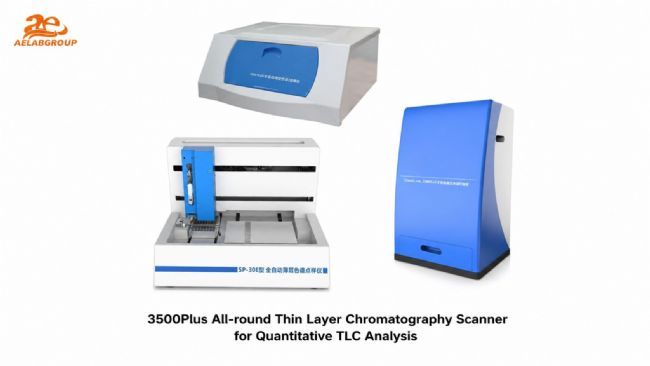
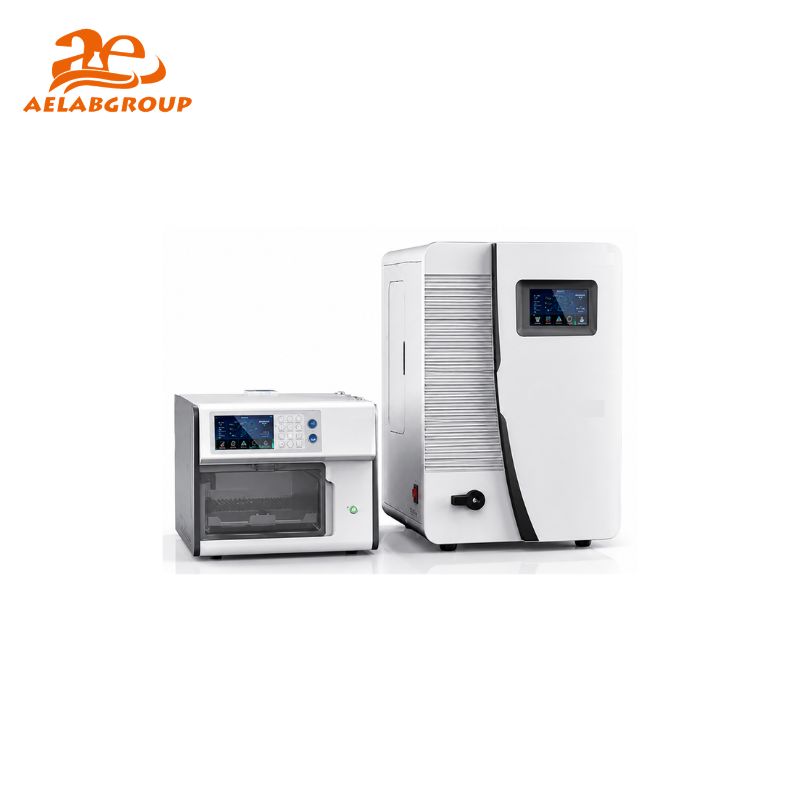
The AELAB 3500Plus is designed for qualitative and quantitative thin layer chromatography analysis. It supports chromatographic scanning, imaging, fluorescence measurement and software-based evaluation of TLC plates.
The scanner uses reflection and transmission measurement methods and provides a continuously adjustable spectral range for analysis of different compounds and sample types.
Instrument Type:
TLC Scanner
Spectral Range:
190–900 nm
Plate Platform:
200 × 200 mm
Interface:
USB
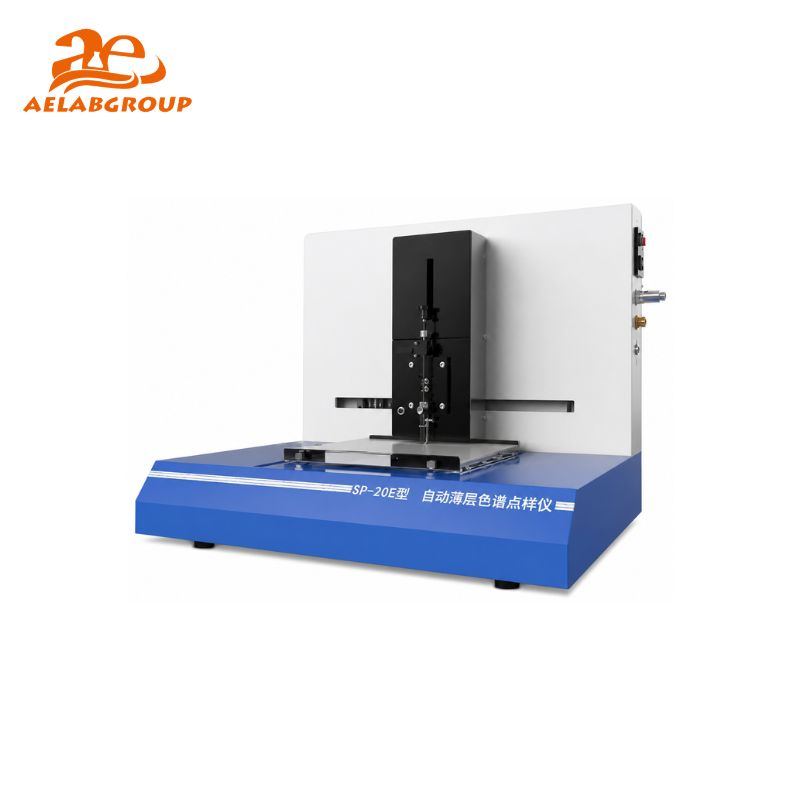
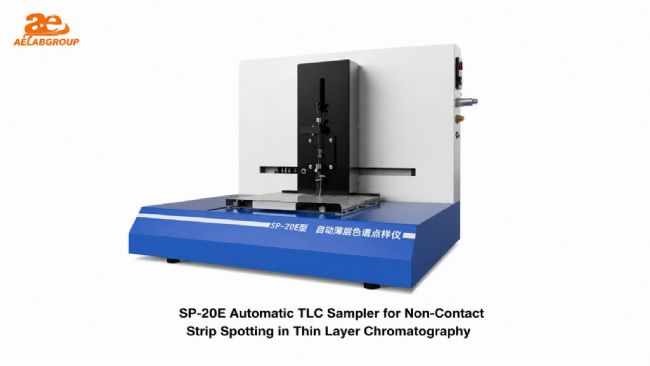
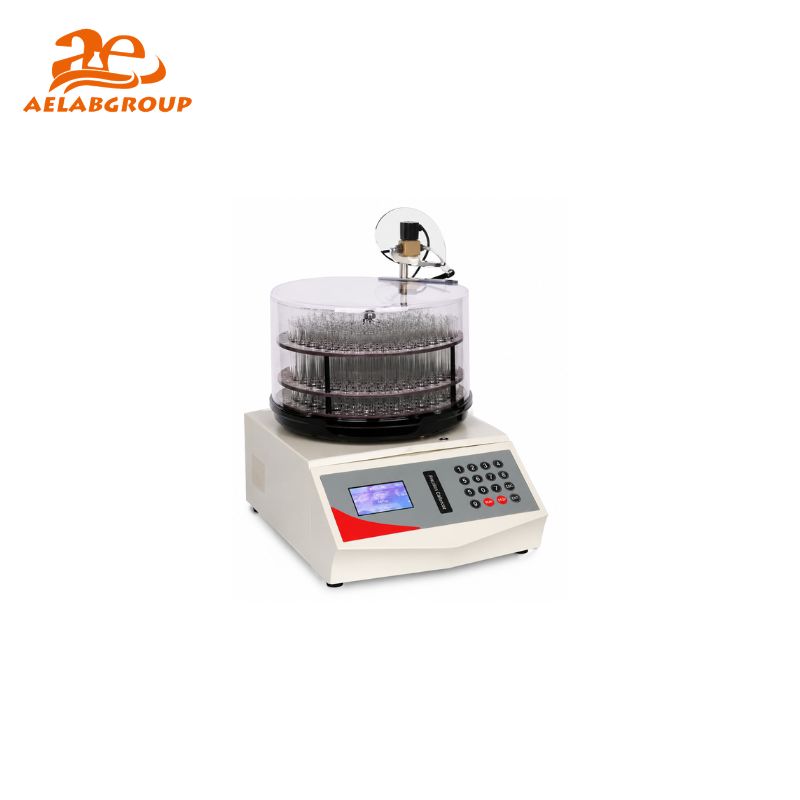
The AELAB SP-20E Automatic TLC Sampler is designed for precise, non-contact strip spotting on thin layer chromatography plates. Computer-controlled sample application helps improve spotting consistency and standardize preparation before TLC scanning.
The instrument is suitable for laboratories handling complex or high-throughput TLC sample series and can be used together with a TLC scanner for quantitative chromatographic workflows.
Instrument Type:
Automatic TLC Sampler
Spotting Method:
Non-contact strip spotting
Spotting Volume:
1–20 μL
Plate Size:
200 × 200 mm
Typical TLC Applications
How to Select the Right TLC Instrument
Selection should be based on the complete analytical workflow rather than only the instrument model. Laboratories should consider sample throughput, spotting requirements, plate dimensions, detection wavelength, measurement method, software functions and documentation requirements.
| Selection Factor | Questions to Consider |
|---|---|
| Main Application | Is the instrument required for sample application, plate scanning, imaging, identification or quantitative analysis? |
| Sample Throughput | How many samples and TLC plates will normally be processed each day? |
| Spotting Format | Does the laboratory require spot application, strip application or controlled sample bands? |
| Sample Volume | What sample volume and dispensing speed are required for the analytical method? |
| TLC Plate Size | What plate dimensions are used in the laboratory's standard operating procedures? |
| Detection Method | Is absorption, fluorescence, reflection, transmission or image-based detection required? |
| Wavelength Range | Which ultraviolet, visible or fluorescence wavelengths are required for the target compounds? |
| Software Functions | Are peak integration, calibration curves, fingerprint comparison, electronic records or report generation required? |
| Regulatory Requirements | Does the laboratory require documentation suitable for GMP, GLP or regulated quality-control workflows? |
AELAB TLC Product Comparison
| Product | Primary Function | Main Technology | Typical Position in Workflow |
|---|---|---|---|
| SP-20E | Automatic sample application | Non-contact strip spotting | Before TLC plate development |
| 3500Plus | TLC scanning and quantitative analysis | Absorption, fluorescence, imaging and multi-wavelength scanning | After TLC plate development and visualization |
Benefits of an Integrated TLC Workflow
Why Choose AELAB TLC Systems?
AELAB is a laboratory equipment brand and supplier based in Guangzhou, China. AELAB supplies analytical instruments, laboratory equipment and quality-control solutions to distributors, universities, research organizations, pharmaceutical laboratories and industrial customers worldwide.
The AELAB product portfolio includes analytical instruments, laboratory weighing equipment, environmental testing systems, pharmaceutical testing instruments, sample-preparation equipment and customized laboratory solutions.
Official website: www.aelabgroup.com
Frequently Asked Questions
What types of TLC instruments does AELAB supply?
AELAB supplies thin layer chromatography scanners and automatic TLC sample application systems for laboratory analysis, quality control and research applications.
What is the purpose of an automatic TLC sampler?
An automatic TLC sampler applies controlled sample volumes to a TLC plate at defined positions. This can improve repeatability, band uniformity and consistency compared with manual application.
What does a TLC scanner measure?
A TLC scanner measures chromatographic zones on a developed plate. Depending on the instrument, it can evaluate absorption, fluorescence, reflection, transmission, peak area, peak height, Rf values and quantitative concentration.
Can the SP-20E and 3500Plus be used in the same TLC workflow?
Yes. The SP-20E can be used for controlled sample application before plate development, while the 3500Plus can be used after development for scanning, imaging and quantitative evaluation.
Which information is needed for TLC model selection?
Customers should provide the application, sample type, TLC plate dimensions, sample volume, number of samples, required wavelength range, detection method, software requirements and destination country.
Can AELAB prepare a technical proposal and quotation?
Yes. The AELAB technical sales team can recommend a suitable TLC instrument and provide available models, technical specifications, accessories, delivery information and quotation.
Tell the AELAB technical sales team about your TLC application, sample type, plate size, sample volume, expected throughput, required scanning wavelength, detection method and software requirements.
A technical proposal can include suitable TLC models, specifications, optional accessories, software configuration, delivery time, packaging and international shipping information.
Email: info@aelabgroup.com
WhatsApp / WeChat: +86 158 0001 6110
Website: www.aelabgroup.com
-
AELAB GUANGZHOU CO., LTD.
AELAB is a laboratory equipment and analytical instrument supplier based in Guangzhou, China. We provide laboratory instruments, quality control equipment, analytical systems, sample preparation equipment, and related laboratory solutions for distributors, industrial laboratories, universities, research organizations, and testing centers worldwide.
AELAB offers both our own-brand products and carefully selected instruments from established manufacturers. OEM and ODM services are available for selected AELAB products, including customized branding, appearance, configuration, power supply, accessories, packaging, and documentation according to customer requirements.
For laboratory projects, distributor orders, government tenders, and complete laboratory setups, our team can provide a one-stop purchasing solution. We assist customers with product selection, technical comparison, quotation preparation, sourcing, quality inspection, export packaging, shipping coordination, and after-sales support.
Our technical team helps customers select suitable equipment based on their application, testing method, required specifications, budget, and local standards. Warranty and technical support are provided according to the product and project requirements.
AELAB operates under an established quality management system. Relevant company and product documentation may include SGS verification, ISO certification, CE, RoHS, FCC, or UL-related documentation, depending on the specific product model and configuration. Customers may contact us to confirm the available certificates before ordering.
Our equipment is widely used in industrial quality control, scientific research, universities, pharmaceutical laboratories, food and agricultural testing, environmental analysis, chemical laboratories, and other professional testing applications.
We are committed to developing long-term cooperation with distributors, laboratories, research institutions, and project contractors. If you are looking for a reliable laboratory equipment supplier with stable service and technical support, please contact AELAB.
Contact AELAB
Website:
https://aelabgroup.com
Email:
info@aelabgroup.com
WhatsApp / WeChat:
+86 15800016110
| Request Information |
| Related Products |