 中文
中文


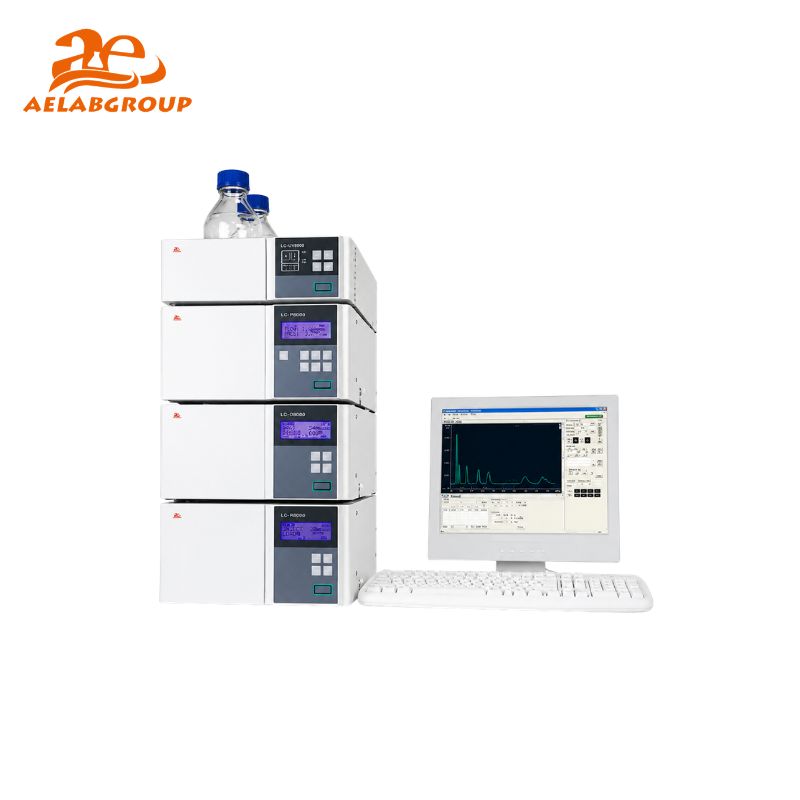
AELAB High Performance Liquid Chromatography (HPLC) Systems

- Product Detail
- Company Profile
- Pharmaceutical active ingredient identification and assay testing
- Drug impurity and degradation-product analysis
- Pharmaceutical formulation and quality-control testing
- Food additive, preservative, vitamin and contaminant analysis
- Environmental testing of water, soil and chemical pollutants
- Biochemical, protein, peptide and biomolecule research
- Natural-product and plant-extract analysis
- Cosmetic ingredient and formulation testing
- Chemical composition and purity evaluation
- Forensic and toxicological laboratory analysis
- Research and method-development laboratories
- Purification and collection of selected compounds
- Quantitative determination of target substances in complex samples
- LC-MS sample separation before mass spectrometric detection
- Target compounds or sample type
- Analytical, semi-preparative or preparative application
- Existing analytical method, when available
- Required isocratic or gradient operation
- Preferred detector type
- Expected flow rate and operating pressure
- Required number of solvent channels
- Manual injection or autosampler requirement
- Column-temperature-control requirement
- Expected number of samples per day
- Need for fraction collection or LC-MS detection
- Destination country and electrical requirements
- Multiple HPLC configurations for analytical and purification workflows
- Options for isocratic and gradient chromatography methods
- Solutions for routine laboratory analysis and advanced research
- Analytical, semi-preparative and preparative system categories
- Modular configurations for different laboratory requirements
- Support for selecting pumps, injection systems, detectors and related modules
- LC-MS solutions for laboratories requiring mass spectrometric detection
- Technical configuration assistance before quotation
- International supply and export-packaging support
- Shipping and destination-related coordination for overseas customers
- Electrical and system configuration support where available
- Install the system on a stable laboratory bench with suitable ventilation.
- Use compatible, properly prepared and filtered mobile-phase solvents.
- Degas solvents according to the method and system requirements.
- Filter or clarify samples when required to reduce contamination and blockages.
- Select columns according to the analyte, separation mode and method conditions.
- Avoid operating beyond the permitted pressure of the system or column.
- Flush compatible flow paths after using salts, buffers or strongly retained compounds.
- Follow the recommended procedures for seals, tubing, injectors and detector cells.
- Use suitable standards, blanks and quality-control samples during analytical work.
- Record maintenance, performance checks and method conditions according to laboratory procedures.
AELAB High Performance Liquid Chromatography (HPLC) Systems
AELAB supplies High Performance Liquid Chromatography systems for analytical laboratories, pharmaceutical quality control, chemical research, food testing, environmental analysis, biotechnology, universities and industrial laboratories.
The available HPLC range supports different laboratory workflows, including routine isocratic analysis, gradient separation, high-pressure chromatography, semi-preparative purification, preparative chromatography and liquid chromatography–mass spectrometry applications.
Laboratories can compare AELAB HPLC systems according to separation method, pump configuration, pressure requirements, detector type, sample throughput, analytical or preparative scale and data-processing needs.
This category introduces the available HPLC system configurations without focusing on one individual product model. Detailed specifications can be reviewed separately on the relevant product pages.
Explore AELAB HPLC Systems and Available Configurations
Compare analytical, isocratic, gradient, high-pressure, semi-preparative, preparative and LC-MS chromatography solutions.
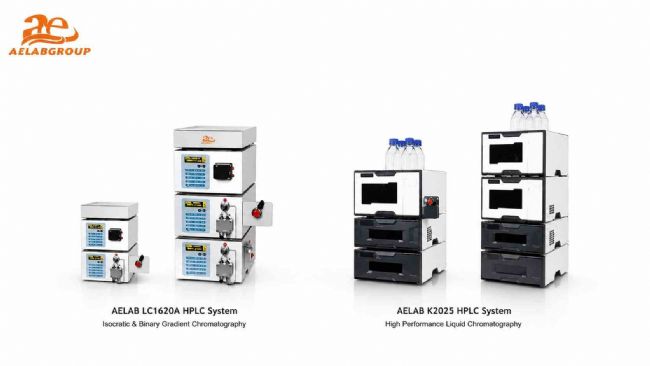
Available HPLC System Types
AELAB offers chromatography configurations for different separation, identification, quantification and purification requirements. The appropriate system type depends on the analytical method, sample characteristics, required sensitivity and laboratory workflow.
| HPLC System Type | Typical Purpose |
|---|---|
| Isocratic HPLC System | Uses a mobile phase with a constant composition and is suitable for routine methods involving relatively simple sample mixtures. |
| Binary Gradient HPLC System | Changes the mobile-phase composition during analysis to improve separation of samples containing compounds with different retention characteristics. |
| High-Pressure Analytical HPLC | Supports demanding analytical separations that require stable solvent delivery, controlled pressure and repeatable chromatographic performance. |
| Semi-Preparative HPLC | Used when laboratories need to isolate and collect larger quantities of target compounds than standard analytical HPLC normally provides. |
| Preparative HPLC System | Designed for purification, fraction collection and recovery of compounds at a larger scale for research or process-development applications. |
| Modular HPLC Configuration | Allows laboratories to select and combine suitable pumps, injectors, detectors, autosamplers and other modules according to the required method. |
| LC-MS System | Combines chromatographic separation with mass spectrometric detection for advanced compound identification, confirmation and quantitative analysis. |
How an HPLC System Works
High Performance Liquid Chromatography separates the components of a liquid sample by passing it through a packed chromatographic column under controlled pressure. Different compounds interact with the stationary phase and mobile phase to different degrees, causing them to leave the column at different retention times.
1. Mobile-Phase Delivery
The pump delivers one or more solvents through the chromatography system at a controlled flow rate.
2. Sample Introduction
The sample is introduced manually or automatically into the moving solvent stream.
3. Column Separation
Sample components separate according to their physical and chemical interactions inside the column.
4. Detection and Analysis
The detector records separated compounds and the software produces chromatographic data for evaluation.
Typical HPLC Applications
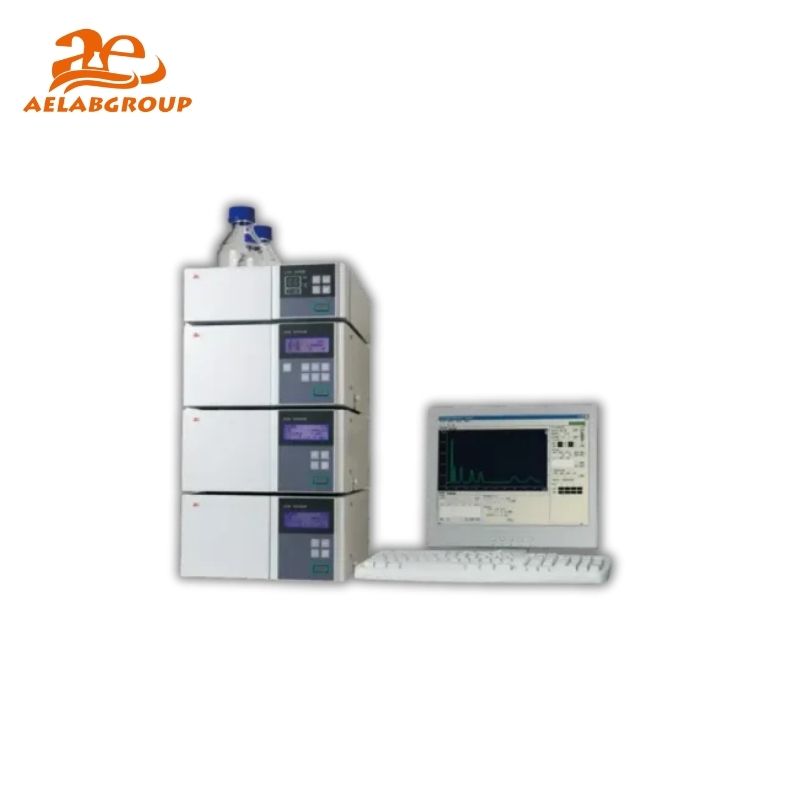
Common Components of an HPLC System
An HPLC configuration may include several modules. The final combination should be selected according to the analytical method and required laboratory performance.
| System Component | Main Function |
|---|---|
| Solvent Reservoir | Stores the mobile-phase solvents used during chromatographic analysis. |
| Degassing Unit | Reduces dissolved gas in the mobile phase to support stable solvent delivery and detector response. |
| HPLC Pump | Delivers the mobile phase through the system and column at a controlled flow rate and pressure. |
| Manual Injector or Autosampler | Introduces a controlled volume of sample into the chromatographic flow path. |
| Chromatography Column | Contains the stationary phase where sample components are separated. |
| Column Compartment | Maintains controlled column conditions when temperature regulation is required by the method. |
| Detector | Measures separated compounds as they leave the column and converts the response into analytical data. |
| Chromatography Software | Controls compatible modules and processes chromatograms, retention times, peak areas and quantitative results. |
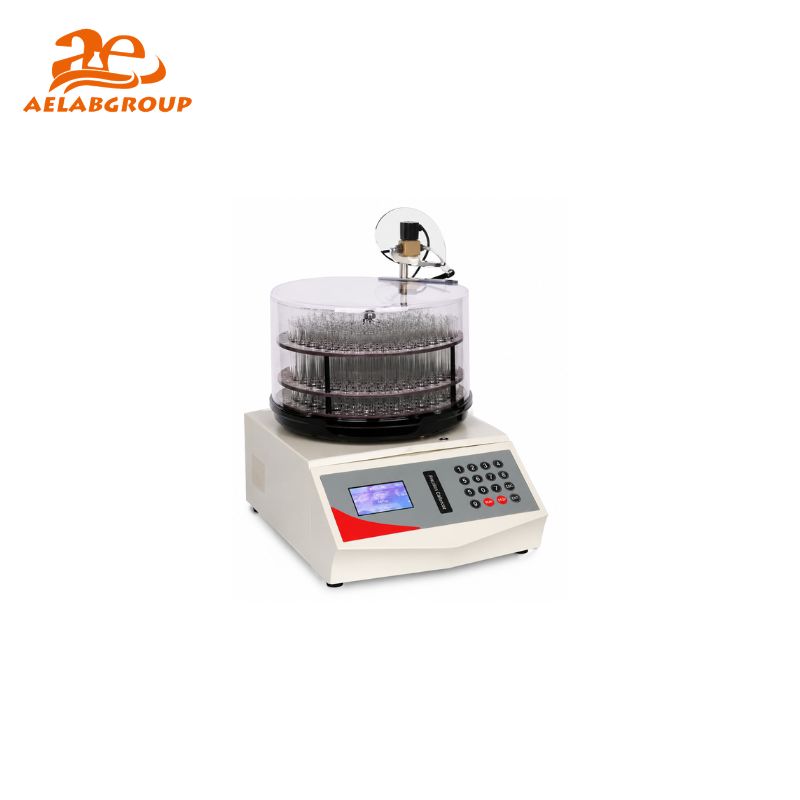
| Fraction Collector | Collects separated fractions in semi-preparative and preparative chromatography workflows. |
| Mass Spectrometer | Provides mass-based identification and advanced detection when HPLC is integrated with LC-MS. |
Selecting an HPLC system should not be based only on price or maximum pressure. Laboratories should first define the separation method, sample properties, required detector, expected workload and future expansion requirements.
| Selection Factor | Questions to Consider |
|---|---|
| Analytical or Preparative Use | Is the main goal quantitative analysis, compound identification, method development or purification and collection? |
| Isocratic or Gradient Operation | Does the method use a constant solvent composition, or must the mobile-phase composition change during the run? |
| Pump Configuration | How many solvents are required, and what flow stability, pressure range and gradient performance does the method need? |
| Flow-Rate Requirement | What flow-rate range is required for the selected column and analytical or preparative scale? |
| Operating Pressure | What pressure may be generated by the selected column, particle size, solvent viscosity and flow rate? |
| Detector Type | Do the target analytes absorb UV light, fluoresce, require refractive-index detection or need mass spectrometric confirmation? |
| Sample Throughput | Will samples be injected occasionally, or is an autosampler required for routine multi-sample operation? |
| Column Temperature | Does the analytical method require controlled or elevated column temperature? |
| Injection Volume | What sample volume must be introduced for analytical, semi-preparative or preparative chromatography? |
| Data Processing | What instrument-control, chromatogram-processing, reporting and data-export functions are required? |
| Future Expansion | Could the laboratory later require another detector, autosampling, fraction collection or LC-MS integration? |
| Method and Compliance Needs | Are there established laboratory methods, documentation procedures or data-management requirements that the system must support? |
Information Required for HPLC Model Selection
Providing the following information helps the AELAB technical team identify an appropriate HPLC configuration:
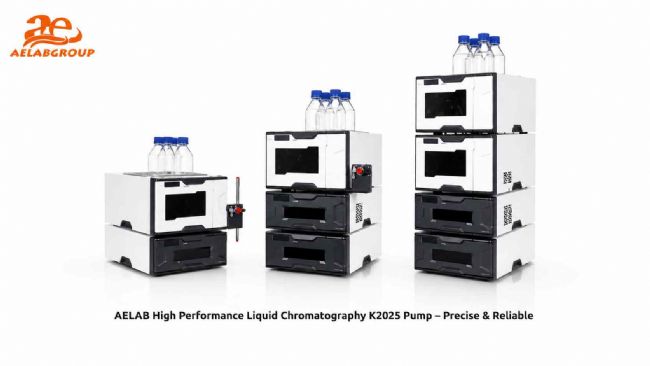
AELAB HPLC Solution Categories
The AELAB HPLC category covers several chromatography solution groups. The final configuration can be selected according to the laboratory method rather than choosing a system only by its external appearance or general product name.
Analytical HPLC Systems
Configurations intended for routine separation, identification and quantitative analysis in research, quality-control and testing laboratories.
Isocratic HPLC Configurations
Suitable for established analytical methods using a constant mobile-phase composition throughout the chromatographic run.
Gradient HPLC Configurations
Designed for methods that require controlled changes in solvent composition to separate more complex sample mixtures.
High-Pressure HPLC Solutions
Developed for chromatographic workflows requiring controlled high-pressure solvent delivery and stable operation.
Semi-Preparative and Preparative HPLC Systems
Used for compound isolation, purification and fraction collection at higher sample loads than conventional analytical chromatography.
Liquid Chromatography–Mass Spectrometry Solutions
Combines liquid chromatographic separation with mass spectrometric detection for advanced research, identification and quantitative workflows.
View the complete AELAB HPLC category, available systems and technical information
Why Choose AELAB HPLC Systems?
HPLC Installation and Operating Considerations
Reliable HPLC performance depends not only on the instrument configuration but also on the laboratory environment, solvent quality, column condition, sample preparation and routine maintenance.
About AELAB
AELAB is a laboratory equipment brand and supplier based in Guangzhou, China. The company provides analytical instruments, general laboratory equipment and quality-control solutions for distributors, universities, research organizations, testing laboratories and industrial customers worldwide.
The AELAB product portfolio includes chromatography systems, spectroscopic instruments, laboratory equipment, environmental testing systems, pharmaceutical testing instruments, sample-preparation equipment and other laboratory solutions.
Official website: www.aelabgroup.com
Frequently Asked Questions
What is High Performance Liquid Chromatography?
HPLC is an analytical separation technique in which a liquid mobile phase carries a sample through a packed column under controlled pressure. The separated components are then measured by a suitable detector.
What is the difference between isocratic and gradient HPLC?
Isocratic HPLC uses a constant mobile-phase composition throughout the analysis. Gradient HPLC changes the solvent composition during the run and is often selected for more complex sample mixtures.
Does every laboratory require an HPLC autosampler?
No. Manual injection may be sufficient for occasional analysis. An autosampler is generally more suitable when laboratories process multiple samples, require unattended operation or need consistent automated injection.
Which HPLC detector should I choose?
Detector selection depends on the target compounds, their optical or chemical properties, required sensitivity and the analytical method. Providing the sample type and method helps determine a suitable detector category.
What is the difference between analytical and preparative HPLC?
Analytical HPLC is mainly used to identify or quantify sample components. Preparative HPLC is selected when the goal is to isolate, purify and collect larger quantities of a target compound.
Can an HPLC system be configured for future expansion?
A modular configuration may allow laboratories to add or change compatible components such as an autosampler, detector, column compartment or fraction collector. Expansion options should be confirmed before purchase.
Does AELAB provide LC-MS systems?
The AELAB HPLC category includes liquid chromatography–mass spectrometry solutions for laboratories requiring advanced separation and mass-based detection. The required analytical application should be provided when requesting a configuration.
Can AELAB recommend an HPLC configuration for my laboratory?
Yes. Send the sample type, target compounds, analytical method, required detector, flow rate, pressure, injection method, daily workload and destination country. Suitable configurations can then be reviewed.
Are chromatography columns included with every HPLC system?
Column supply depends on the selected configuration and quotation. Because column chemistry and dimensions are method-specific, the required column should be confirmed separately.
Request an AELAB HPLC Configuration, Price and Technical Proposal
Tell the AELAB technical sales team about your samples, target compounds, analytical method, detector requirement, required flow rate, operating pressure, injection method and expected sample throughput.
A suitable technical proposal can include recommended HPLC configurations, available modules, technical specifications, compatible options, delivery information, export packaging and shipping details.
View AELAB High Performance Liquid Chromatography Systems
Email: info@aelabgroup.com
WhatsApp / WeChat: +86 158 0001 6110
Website: www.aelabgroup.com
-
AELAB GUANGZHOU CO., LTD.
AELAB is a laboratory equipment and analytical instrument supplier based in Guangzhou, China. We provide laboratory instruments, quality control equipment, analytical systems, sample preparation equipment, and related laboratory solutions for distributors, industrial laboratories, universities, research organizations, and testing centers worldwide.
AELAB offers both our own-brand products and carefully selected instruments from established manufacturers. OEM and ODM services are available for selected AELAB products, including customized branding, appearance, configuration, power supply, accessories, packaging, and documentation according to customer requirements.
For laboratory projects, distributor orders, government tenders, and complete laboratory setups, our team can provide a one-stop purchasing solution. We assist customers with product selection, technical comparison, quotation preparation, sourcing, quality inspection, export packaging, shipping coordination, and after-sales support.
Our technical team helps customers select suitable equipment based on their application, testing method, required specifications, budget, and local standards. Warranty and technical support are provided according to the product and project requirements.
AELAB operates under an established quality management system. Relevant company and product documentation may include SGS verification, ISO certification, CE, RoHS, FCC, or UL-related documentation, depending on the specific product model and configuration. Customers may contact us to confirm the available certificates before ordering.
Our equipment is widely used in industrial quality control, scientific research, universities, pharmaceutical laboratories, food and agricultural testing, environmental analysis, chemical laboratories, and other professional testing applications.
We are committed to developing long-term cooperation with distributors, laboratories, research institutions, and project contractors. If you are looking for a reliable laboratory equipment supplier with stable service and technical support, please contact AELAB.
Contact AELAB
Website:
https://aelabgroup.com
Email:
info@aelabgroup.com
WhatsApp / WeChat:
+86 15800016110
| Request Information |
| Related Products |
| Recently viewed products |