 中文
中文


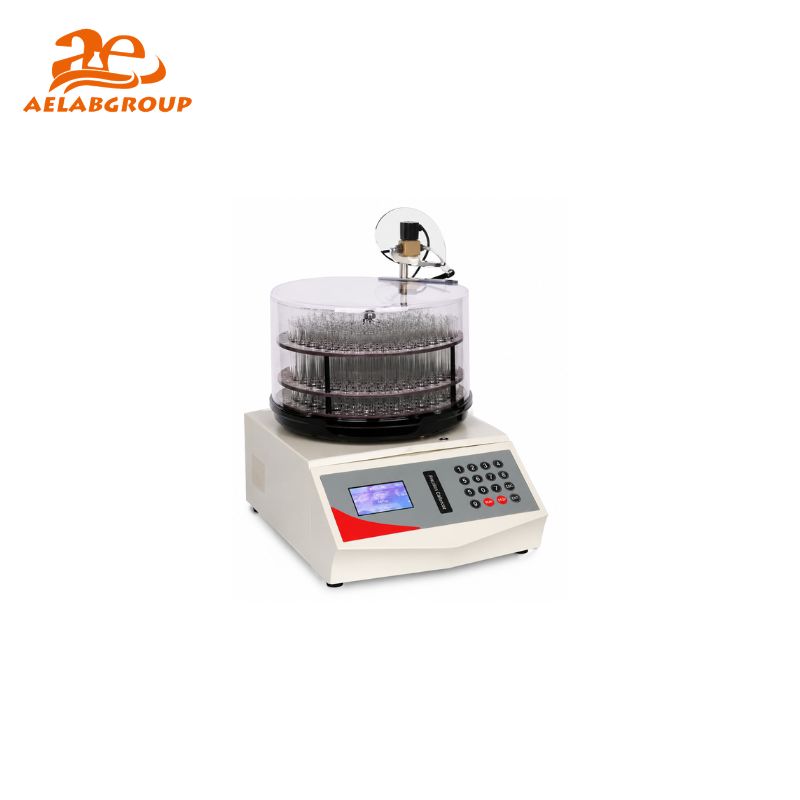
AELAB Fraction Collectors – Automated Collection & UV Detection Series

- Product Detail
- Company Profile
- Protein and peptide separation workflows
- Nucleic acid purification and biochemical research
- Collection of chromatographically separated compounds
- Isolation of target fractions for further laboratory analysis
- Purification process development in biotechnology laboratories
- Pharmaceutical research and compound separation
- Natural product and plant extract research
- Food, chemical and environmental sample analysis
- University chromatography teaching laboratories
- Research involving enzymes, biomolecules and other liquid samples
- Type of chromatography or separation procedure
- Target compound or sample type
- Expected number of fractions per run
- Required tube or collection-vessel dimensions
- Approximate liquid flow rate
- Typical fraction volume
- Preferred collection control method
- Required UV detection wavelength, when applicable
- Existing pump, column and tubing configuration
- Laboratory power-supply requirement
- Destination country and delivery location
- Confirm that all collection vessels are correctly positioned before starting the run.
- Use tubing suitable for the solvent, buffer and sample being processed.
- Inspect the liquid path regularly for blockage, leakage or contamination.
- Clean the tubing and collection area after processing biological or chemical samples.
- Avoid allowing salts, proteins or residues to dry inside the liquid-contact pathway.
- Verify the collection sequence before processing valuable samples.
- Follow laboratory procedures for storage and identification of collected fractions.
- Perform inspection and maintenance according to the applicable operating instructions.
- Solutions for automated collection of separated laboratory samples
- Equipment suitable for chromatography and biochemical research workflows
- Different collection configurations for varying laboratory requirements
- Support for selecting equipment according to vessel capacity and application
- UV monitoring options for chromatography-related detection
- Technical information and quotation support before ordering
- International supply, export packaging and shipping assistance
- Configuration and power-supply support according to destination requirements
AELAB supplies fraction collection and UV detection solutions for chromatography, biochemical separation, protein purification, nucleic acid research and other laboratory workflows requiring controlled collection of separated liquid fractions.
This category includes automated fraction collection systems and UV-based detection solutions designed to support the monitoring, separation and recovery of compounds during chromatographic processes.
Laboratories can select a suitable configuration according to collection capacity, collection method, vessel arrangement, flow conditions, detection requirements, sample type and compatibility with the existing chromatography workflow.
Explore AELAB Fraction Collector and UV Analyzer Solutions
Review the available laboratory systems for automated fraction collection, chromatography monitoring and controlled sample recovery.
What Does This Equipment Category Include?
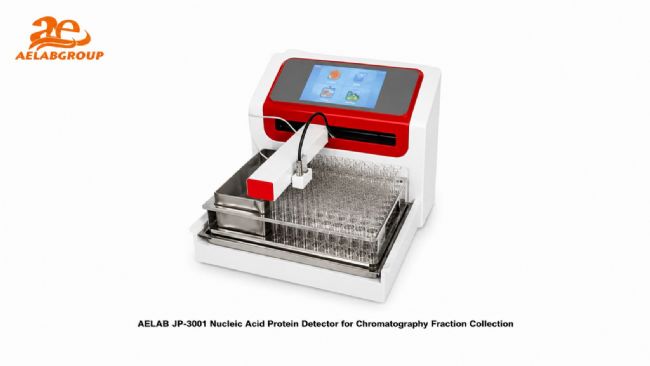
The AELAB Fraction Collector / UV Analyzer category covers laboratory equipment used to detect compounds during liquid separation and collect selected portions of the eluent into individual tubes or collection vessels.
| Equipment Type | Main Function |
|---|---|
| Fraction Collection System | Automatically directs separated liquid portions into individual collection vessels according to the selected operating method. |
| UV Detection System | Monitors changes in ultraviolet absorbance as compounds pass through the chromatography flow path. |
| Combined Detection and Collection Workflow | Supports coordinated compound monitoring and fraction recovery during laboratory separation procedures. |
How Fraction Collection and UV Detection Work
During a chromatography process, the liquid mobile phase carries separated sample components through the system. As the components leave the separation column, a UV detector can monitor changes in absorbance and indicate the passage of compounds through the flow path.
The fraction collector then distributes the outgoing liquid into a sequence of tubes or other collection vessels. Collection may be organized according to time intervals, liquid volume, drop count or an external detection signal, depending on the system configuration.
This workflow allows laboratories to divide the chromatographic output into separate fractions for further analysis, purification, concentration, identification or storage.
Typical Laboratory Workflow
1. Sample Separation
The prepared sample is separated through a suitable chromatography method.
2. UV Monitoring
The flowing liquid is monitored for absorbance changes associated with separated compounds.
3. Fraction Collection
Selected portions of the outgoing liquid are transferred into separate collection vessels.
4. Further Processing
Collected fractions can be analyzed, purified, concentrated, stored or used in subsequent experiments.
Typical Applications
Benefits of Automated Fraction Collection
| Benefit | Laboratory Advantage |
|---|---|
| Reduced Manual Handling | Automated vessel positioning reduces the need to transfer collection containers manually during a run. |
| Organized Sample Recovery | Separated liquids are collected systematically for easier identification and subsequent processing. |
| Improved Reproducibility | Programmable collection conditions help laboratories repeat separation and recovery procedures more consistently. |
| Better Workflow Efficiency | Multiple fractions can be collected continuously without changing each vessel by hand. |
| Support for Downstream Analysis | Individual fractions can be selected for concentration, purity testing, identification or additional separation. |
How to Select a Fraction Collector or UV Analyzer
Selection should be based on the complete laboratory workflow rather than only the number of collection positions. The sample characteristics, chromatography method, tubing arrangement, flow conditions and required collection control should all be considered.
| Selection Factor | Questions to Consider |
|---|---|
| Application Type | Will the system be used for protein purification, nucleic acid work, chemical separation, teaching or general chromatography? |
| Collection Capacity | How many individual fractions normally need to be collected during one laboratory run? |
| Collection Vessel | What tube, vial, bottle or other collection-container size is required? |
| Collection Method | Should fractions be collected according to time, volume, drop count or an external detector signal? |
| Flow Conditions | What liquid flow rate and total sample volume are expected during routine operation? |
| UV Detection Requirement | Which target compounds must be monitored, and what detection wavelength is suitable for the application? |
| System Compatibility | Can the equipment connect correctly to the existing column, pump, tubing and chromatography setup? |
| Available Bench Space | Is the installation area suitable for the collector, detector, vessels and related chromatography components? |
| Cleaning Requirements | Can the liquid-contact components and collection area be cleaned conveniently between different samples? |
Information Required for Equipment Recommendation
Providing complete application information helps the technical team evaluate the required collection arrangement and UV detection configuration more accurately.
Operation and Routine Care
Why Choose AELAB Fraction Collection Solutions?
AELAB is a laboratory equipment brand and supplier based in Guangzhou, China. The company supplies analytical instruments, life science equipment, general laboratory systems and quality-control solutions for research institutions, universities, distributors and industrial laboratories.
The available product portfolio covers life science research, analytical testing, laboratory preparation, environmental analysis, pharmaceutical testing and other scientific applications.
Official website: www.aelabgroup.com
Frequently Asked Questions
What is the main purpose of a fraction collector?
A fraction collector automatically divides the liquid leaving a chromatography system into separate collection vessels for further testing, purification, concentration or storage.
Why is UV detection used in chromatography?
UV detection helps monitor compounds that absorb ultraviolet light as they move through the chromatography flow path. Changes in absorbance can indicate the passage of separated sample components.
Can fraction collection be performed without UV detection?
Yes. Depending on the application and system configuration, collection may be controlled by time, liquid volume, drop count or another external signal. UV detection is useful when absorbance monitoring is required.
What collection vessel should be selected?
The correct vessel depends on the expected fraction volume, number of fractions, sample properties, storage requirements and compatibility with the collector arrangement.
What information should be provided before requesting a quotation?
Provide the chromatography method, sample type, expected flow rate, fraction volume, number and size of collection vessels, preferred collection method, UV detection requirement and destination country.
Can AELAB assist with equipment selection?
Yes. The technical sales team can evaluate the application information and recommend an appropriate fraction collection or UV detection configuration.
Send AELAB your sample type, chromatography method, collection-vessel requirements, expected flow conditions, preferred collection mode and UV detection needs.
The proposal may include suitable equipment options, available configurations, technical information, delivery time, packaging and shipping details.
View AELAB Fraction Collector / UV Analyzer Category
Email: info@aelabgroup.com
WhatsApp / WeChat: +86 158 0001 6110
Website: www.aelabgroup.com
-
AELAB GUANGZHOU CO., LTD.
AELAB is a laboratory equipment and analytical instrument supplier based in Guangzhou, China. We provide laboratory instruments, quality control equipment, analytical systems, sample preparation equipment, and related laboratory solutions for distributors, industrial laboratories, universities, research organizations, and testing centers worldwide.
AELAB offers both our own-brand products and carefully selected instruments from established manufacturers. OEM and ODM services are available for selected AELAB products, including customized branding, appearance, configuration, power supply, accessories, packaging, and documentation according to customer requirements.
For laboratory projects, distributor orders, government tenders, and complete laboratory setups, our team can provide a one-stop purchasing solution. We assist customers with product selection, technical comparison, quotation preparation, sourcing, quality inspection, export packaging, shipping coordination, and after-sales support.
Our technical team helps customers select suitable equipment based on their application, testing method, required specifications, budget, and local standards. Warranty and technical support are provided according to the product and project requirements.
AELAB operates under an established quality management system. Relevant company and product documentation may include SGS verification, ISO certification, CE, RoHS, FCC, or UL-related documentation, depending on the specific product model and configuration. Customers may contact us to confirm the available certificates before ordering.
Our equipment is widely used in industrial quality control, scientific research, universities, pharmaceutical laboratories, food and agricultural testing, environmental analysis, chemical laboratories, and other professional testing applications.
We are committed to developing long-term cooperation with distributors, laboratories, research institutions, and project contractors. If you are looking for a reliable laboratory equipment supplier with stable service and technical support, please contact AELAB.
Contact AELAB
Website:
https://aelabgroup.com
Email:
info@aelabgroup.com
WhatsApp / WeChat:
+86 15800016110
| Request Information |
| Related Products |
| Recently viewed products |