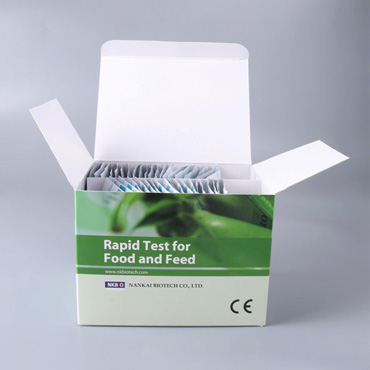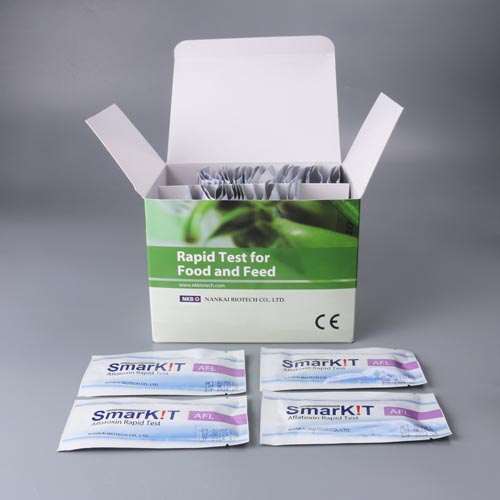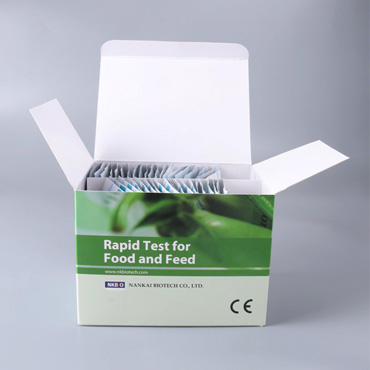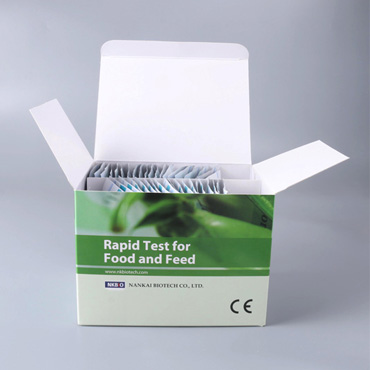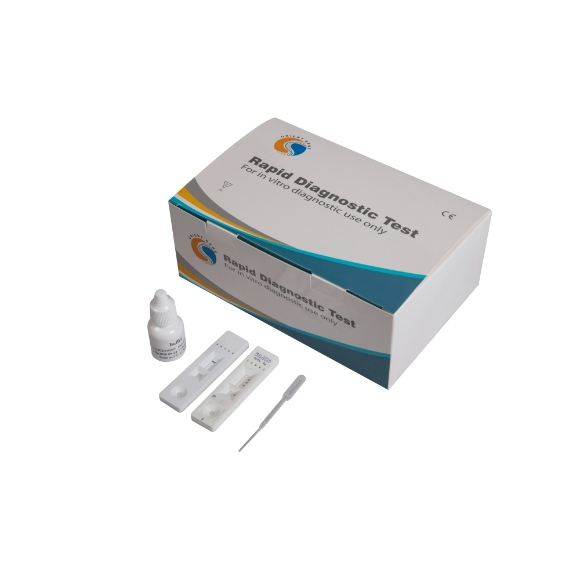

Exporting citrus fruits and berries to the European market requires strict compliance with EU Maximum Residue Limits (MRLs). Even minor exceedances of carbendazim can result in shipment rejection, financial loss, and long-term buyer distrust.
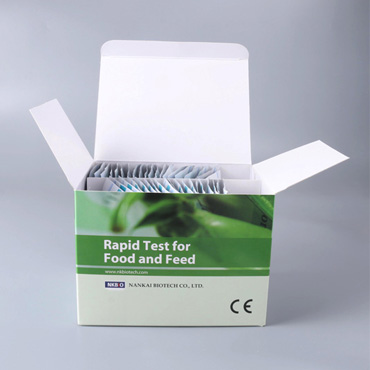
Our Carbendazim Rapid Test Kit for Pesticide Residue in Food is specifically optimized for high-frequency screening of citrus fruits, citrus juice, and berry products intended for EU export.
Designed for orchards, packing houses, exporters, and inspection authorities, the system enables fast batch decisions before shipment — reducing risk and protecting brand reputation.
Designed for EU-Regulated Fruit Categories
Citrus Fruits (High-Risk Monitoring Category)
Commonly exported to Europe from Mediterranean and South American regions:
• Orange
• Mandarin
• Lemon
• Grapefruit
• Lime
• Citrus juice concentrates
Particularly relevant for exporters from:
• Spain
• Italy
• Greece
• Argentina
• Brazil
These products are frequently subject to intensified EU border inspections due to pesticide residue sensitivity.
Why On-Site Screening Is Critical for Exporters
Laboratory LC-MS/MS testing is accurate but:
• Expensive for large batch routine control
• Time-consuming
• Impractical for orchard-level or packing-house screening
Our rapid test solution allows:
✔ Pre-shipment batch release decisions
✔ Risk-based sorting before laboratory confirmation
✔ Reduced rejection rate at EU borders
✔ Protection of exporter credibility
Key Advantages for Citrus & Berry Exporters
✅ Fast Batch Screening
• Results in 5–10 minutes
• Suitable for large-volume export operations
• Immediate go / no-go decision making
✅ EU Market-Aligned Performance
• Designed according to EU pesticide monitoring requirements
• Extensively validated in European application scenarios
• Proven reliability across high-acid fruit matrices such as citrus and berries
✅ Optimized for Complex Fruit Matrices
Citrus juice and berry extracts present challenging matrices due to acidity and pigments.
Our kit is optimized for:
• Citrus fruit pulp
• Citrus juice
• Whole berry homogenates
• Processed fruit samples
Ensuring stable and reproducible screening performance.
Detection Options (Flexible Configuration)
Standard Configuration
• Visual qualitative interpretation
• Clear positive / negative result
• Ideal for orchard and packing house use
Optional Reader-Assisted Mode (Upgrade for Large Exporters)
When used with the dedicated Reader:
• Ensures precise POSITIVE / NEGATIVE determination
• Provides semi-quantitative reference values
• Supports digital record keeping and traceability
• Suitable for structured export quality systems
This configuration is recommended for large exporters and organized fruit cooperatives.
How to Prevent EU Border Rejection for Citrus Exporters
A Practical Risk-Control Guide for Pesticide Residue Compliance
Exporting citrus fruits to the European Union offers significant market opportunity — but it also carries strict pesticide residue compliance requirements.
Each year, citrus shipments are rejected at EU borders due to MRL exceedances, documentation gaps, or insufficient internal screening.
For exporters from Mediterranean countries, Argentina, and Brazil, even one rejected shipment can mean:
• Immediate financial loss
• Destruction or return of goods
• Increased inspection frequency
• Long-term importer distrust
Understanding how to prevent rejection is no longer optional — it is a strategic necessity.
⸻
Why Citrus Shipments Get Rejected in the EU
Under the regulatory framework of the European Commission, imported fruits must comply with Maximum Residue Limits (MRLs) defined by European Food Safety Authority.
Common causes of rejection include:
• Carbendazim residue exceeding EU MRL
• Inconsistent batch-level testing
• Lack of documented internal screening
• Reliance solely on end-stage laboratory confirmation
• Poor traceability records
Citrus fruits — especially oranges, lemons, and mandarins — are considered high-surveillance categories due to historical residue findings.
The Hidden Risk: Lab Testing Alone Is Not Enough
Many exporters rely only on LC-MS/MS laboratory testing.
While accurate, it presents operational limitations:
• High cost per batch
• Delayed turnaround time
• Inability to screen large volumes pre-harvest
• Reactive rather than preventive control
By the time a laboratory detects a problem, the shipment may already be packed — or worse — in transit.
✅ A Smarter Strategy: Pre-Shipment Rapid Screening
Leading citrus exporters are now implementing a two-tier control system:
Tier 1 – On-Site Rapid Screening
• Orchard-level sampling
• Packing house intake inspection
• Batch segregation before export
✔ Reduces rejection probability
✔ Cuts unnecessary laboratory expenses
✔ Demonstrates proactive compliance to EU buyers
✔ Strengthens exporter credibility
Targeting Carbendazim Risk in Citrus
Carbendazim remains a sensitive monitoring substance in EU fruit import controls.
Our Carbendazim Rapid Test Kit for Pesticide Residue in Food is optimized for:
• Orange
• Mandarin
• Lemon
• Grapefruit
• Lime
• Citrus juice
Designed specifically for high-acid fruit matrices, the system enables:
• 5–10 minute on-site screening
• Batch-level release decisions
• Early risk identification before shipment
Optional Structured Control for Large Exporters
For organized exporters and cooperatives, the optional Reader configuration provides:
• Precise positive / negative determination
• Semi-quantitative reference values
• Digital documentation and traceability
• Internal audit support
This supports structured compliance programs required by major European supermarket buyers.
Proven Beyond Theory — Validated in Real Export Chains
With over 20 years of rapid test manufacturing expertise, our screening systems have been applied in:
• European market monitoring programs
• South American fruit export supply chains
• Large-scale international food safety events
Millions of real-world applications and long-term field validation distinguish our solution from ordinary rapid test suppliers.
We do not offer experimental tools.
We provide export-risk control systems designed for professional operators.
Practical Checklist: How to Minimize EU Border Rejection Risk
✔ Implement pre-harvest screening
✔ Screen each export batch before shipment
✔ Maintain documented testing records
✔ Use rapid screening + laboratory confirmation workflow
✔ Train quality control personnel
✔ Review EU MRL updates regularly
Prevention costs far less than rejection.
Protect Your Market Access Before It’s Too Late
EU rejection is not just a regulatory issue — it is a reputation issue.
A proactive screening strategy protects:
• Shipment value
• Long-term importer relationships
• Brand trust
• Future inspection frequency
Proven in Real Export Supply Chains
With over 20 years of rapid test manufacturing expertise, our pesticide screening systems have been:
• Used in European monitoring programs
• Deployed in South American fruit export chains
• Applied in large-scale food safety events including international sporting events
Millions of field applications and long-term market validation clearly distinguish our solution from ordinary low-cost rapid test suppliers.
We do not simply provide a strip — we deliver a compliance-oriented screening solution trusted by professional export operators.
Ideal Application Scenarios
• Orchard pre-harvest monitoring
• Packing house intake inspection
• Export warehouse batch control
• Third-party pre-shipment verification
• Cooperative fruit processing centers
Established in 2005, NKBIO Group Co., Ltd. is a national high-tech enterprise dedicated in developing, manufacturing and marketing Rapid Test Kits in Food and Feed Analysis, Animal Disease as well as Clinical Diagnostics.
The Rapid Tests can detect the animal disease, residues of antibiotics, mycotoxins, veterinary drugs, pesticides, microorganism, heavy metal, illegal additives and toxic chemicals in all kind of foods and feeds. It is an accurate, cost-effective method as a screening solution, useful for both labs and field testing, can also be applied for the quality control “From farm to fork”.
NKBIO have three Advanced Third Party Independent laboratories to guarantee, further confirm the results from the preliminary Positive & Negative Samples, have capability to issue formally, official testing reports which acknowledged by both government authority and academic institutions.
With Rapid Testing Branch, Software Engineering & Equipment Branch and Service of complete solution Branch, we have successfully built Food & Feed Quality Management Traceability System for regulation of Government Authority and Enterprises.
NKBIO values the innovation, have widely technological and scientific research cooperation with national top-level universities and scientific research institutes, like Zhejiang University, Jinan University, South China Agricultural University, Academy of Agricultural Sciences. We have published many of technical literatures, got hundreds of prizes & certificates, and also undertaken making rules and regulations for Food and Feed testing standards for government authority.
For more information please visit:
www.nkbiotech.com
http://www.foodrapidtest.com
E -mail: sale@nkbiotech.com
bellafu88@yahoo.com
WhatsApp:0086-151-5809-6930