 中文
中文


Home > News > The SHPS1 Mouse Model: Unraveling Immune Regulation, Tumor Evasion, and Neurological Function
The SHPS1 Mouse Model: Unraveling Immune Regulation, Tumor Evasion, and Neurological Function
The SHPS1 Mouse Model: Unraveling Immune Regulation, Tumor Evasion, and Neurological Function—Supported by ANT BIO PTE. LTD.
1. Concept
SHPS1 (Src Homology Region 2 Domain-Containing Phosphatase Substrate 1) is a key immune regulatory molecule that modulates cell signaling pathways involved in immune responses, tumor immune evasion, and neurological functions. The SHPS1 mouse model, constructed via gene knockout (KO) or transgenic (TG) techniques, serves as a powerful tool to dissect the biological roles of SHPS1 in vivo.
Gene knockout models enable the study of SHPS1 deficiency, while transgenic models explore the effects of its overexpression. These models exhibit distinct characteristics, particularly in immune cell function—with SHPS1 deletion often leading to altered activation of macrophages, dendritic cells, and T cells. The model’s ability to recapitulate physiological and pathological processes makes it invaluable for investigating SHPS1’s role in immune tolerance, autoimmune diseases, tumor immunology, and neuroscience, bridging basic research and clinical therapeutic development.
2. Research Frontiers
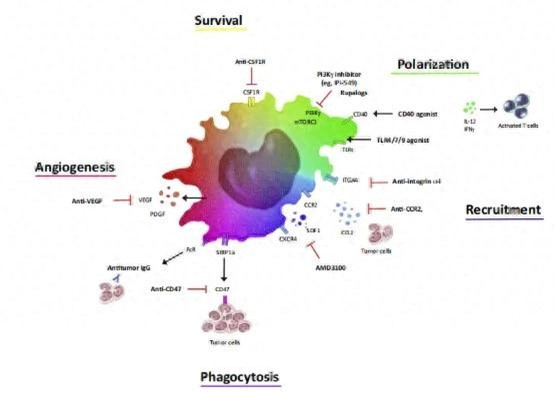
SHPS1 mouse model research is advancing across immunology, oncology, and neuroscience. A key frontier is exploring the model’s utility in developing tumor immunotherapies targeting the SHPS1-CD47 axis—preclinical studies use knockout models to validate the efficacy of anti-CD47/SHPS1 antibodies in enhancing anti-tumor immunity.
In autoimmune disease research, the model is used to identify SHPS1’s role in immune tolerance, with potential applications in treating systemic lupus erythematosus (SLE) and rheumatoid arthritis. In neuroscience, emerging studies leverage the model to uncover SHPS1’s impact on synaptic plasticity and neurodegenerative diseases like Alzheimer’s.
Technological innovations include combining the SHPS1 mouse model with single-cell sequencing to map immune cell-specific regulatory networks, and using in vivo imaging to track immune cell-tumor cell interactions. Future directions expand to personalized medicine, where the model helps predict patient responses to SHPS1-targeted therapies.
3. Research Significance
The SHPS1 mouse model is scientifically and translationally significant. It enables precise dissection of SHPS1’s in vivo functions, which are difficult to replicate in vitro. In oncology, the model validates the SHPS1-CD47 axis as a therapeutic target, accelerating the development of cancer immunotherapies.
In immunology, it clarifies SHPS1’s role in immune tolerance and autoimmune disease pathogenesis, providing insights for novel treatments. In neuroscience, the model uncovers SHPS1’s contribution to synaptic function and neurodegeneration, addressing unmet needs in neurological disorder therapy. Overall, the model bridges basic research and clinical applications, reducing translational gaps and advancing the development of targeted therapies.
4. Model Construction, Research Applications, and Product Support
4.1 Construction and Core Characteristics of the SHPS1 Mouse Model
4.1.1 Construction Methods
Gene Knockout (KO): Deletes the SHPS1 gene to study loss-of-function effects, particularly on immune cell regulation and disease susceptibility.
Transgenic (TG): Overexpresses SHPS1 to investigate gain-of-function impacts on immune responses and tissue homeostasis.
4.1.2 Key Phenotypic Traits
Immune System Alterations: SHPS1 KO mice exhibit abnormal activation of macrophages, dendritic cells, and T cells—with immune responses either weakened or enhanced depending on the context.
Tumor Sensitivity: KO mice are more susceptible to tumor immune evasion, providing a platform to test immunotherapeutic strategies.
Neurological Phenotypes: SHPS1 deficiency may lead to impaired synaptic plasticity and cognitive function, mimicking features of neurodegenerative diseases.
4.2 Research Applications of the SHPS1 Mouse Model
4.2.1 Immune System Function Research
Macrophage/Dendritic Cell Regulation: KO models reveal that SHPS1 deficiency impairs pathogen elimination by altering antigen-presenting cell activation, shedding light on its role in innate immunity.
T Cell Modulation: Studies show SHPS1 affects TCR signaling, leading to abnormal T cell responses—either excessive activation (increasing autoimmune risk) or suppression (weakening anti-tumor immunity).
4.2.2 Tumor Immunity Research
Immune Evasion Mechanisms: The model demonstrates that SHPS1 interacts with SHP-1/SHP-2 in immune cells to suppress anti-tumor responses, enabling tumor cells to evade surveillance.
Immunotherapy Validation: KO mice exhibit enhanced immune-mediated tumor elimination, validating the potential of anti-SHPS1/CD47 therapies. Preclinical studies use the model to optimize combination therapies (e.g., anti-CD47 + anti-VEGF).
4.2.3 Autoimmune Disease Research
Immune Tolerance Maintenance: KO models show reduced immune tolerance, with immune cells attacking self-tissues—mimicking SLE and rheumatoid arthritis. This highlights SHPS1’s role in preventing autoimmunity.
Therapeutic Testing: The model is used to evaluate immunomodulators targeting the SHPS1 pathway, providing preclinical data for autoimmune disease treatments.
4.2.4 Nervous System Disease Research
Synaptic Plasticity and Cognition: SHPS1 KO mice exhibit impaired synaptic function and learning/memory, offering insights into SHPS1’s role in neurodevelopment and cognitive processes.
Neurodegenerative Disease Modeling: The model recapitulates neuronal dysfunction observed in Alzheimer’s disease, enabling the exploration of SHPS1 as a potential therapeutic target.
4.3 How ANT BIO PTE. LTD. Products Support SHPS1 Mouse Model Research
ANT BIO PTE. LTD., through its sub-brand Starter (specializing in antibodies), provides high-quality reagents to validate SHPS1-mediated signaling in mouse models.
Key products and applications:
S0B1093 (Phospho-SHP-2 (Tyr542) Recombinant Rabbit mAb): Detects phosphorylated (active) SHP-2, a key downstream effector of SHPS1. Ideal for verifying SHPS1 signaling activation in immune cells or neurons from KO/transgenic mice.
S0G0015 (Phospho-SHP-2 (Tyr542) Antibody Duo): Offers complementary tools for confirming SHP-2 phosphorylation, supporting Western blotting, immunofluorescence, and co-immunoprecipitation assays to study SHPS1-SHP-2 interactions in mouse tissues.
Both products ensure high specificity and consistency, critical for validating signaling pathway changes in the SHPS1 mouse model and interpreting research outcomes.
5. Brand Mission
ANT BIO PTE. LTD. is dedicated to empowering the global life science community with high-quality, innovative biological reagents and solutions. With 15 years of antibody development experience, the company leverages advanced platforms—including recombinant antibody development (rabbit/mouse monoclonal), recombinant protein expression systems (E.coli, CHO, HEK293, Insect Cells), One-Step ELISA, and PTM Pan-Modification Antibody platforms—to deliver a comprehensive product portfolio.
Through its three specialized sub-brands—Absin (general reagents and kits), Starter (antibodies), and UA (recombinant proteins)—ANT BIO PTE. LTD. adheres to international certifications (EU 98/79/EC, ISO9001, ISO13485) and strict quality standards. The company’s mission is to accelerate scientific discovery by providing tools that enhance experimental precision, efficiency, and reproducibility. ANT BIO PTE. LTD. is committed to supporting SHPS1 mouse model research and global efforts in immunotherapy, autoimmune disease treatment, and neuroscience, ultimately advancing human health through interdisciplinary collaboration and innovation.
6. Related Product List
| Product Code | Product Name |
| S0B1093 | Phospho-SHP-2 (Tyr542) Recombinant Rabbit mAb (S-1254-13) |
| S0G0015 | Phospho-SHP-2 (Tyr542) Antibody Duo |
7. AI Disclaimer
This article is AI-compiled and interpreted based on the original work. All intellectual property (e.g., images, data) of the original publication shall belong to the journal and the research team. For any infringement, please contact us promptly and we will take immediate action.
ANT BIO PTE. LTD. – Empowering Scientific Breakthroughs
At ANTBIO, we are committed to advancing life science research through high-quality, reliable reagents and comprehensive solutions. Our specialized sub-brands (Absin, Starter, UA) cover a full spectrum of research needs, from general reagents and kits to antibodies and recombinant proteins. With a focus on innovation, quality, and customer-centricity, we strive to be your trusted partner in unlocking scientific mysteries and driving medical progress. Explore our product portfolio today and elevate your research to new heights.
Related News
- Prestained Protein Marker: A Comprehensive Guide for Western Blot and Protein El 9/17/2026
- PSEN1 Antibody: A Critical Tool for Deciphering Alzheimer's Disease Pathogenesis 9/16/2026
- SHP Substrate 1 Recombinant Protein: Molecular Design, Functional Mechanisms and 9/15/2026
- Research Progress on Hepatic Lectin H1 Protein 9/14/2026
- PIC Paired Antibodies: A Comprehensive Analysis of Principles, Preparation, and 9/11/2026
- CMS: Initial Prescriptions for Silevimig Injection, the World's First Bispecific 9/10/2026
- Precision in Practice: Why Skilled Manufacturing Remains Central to Titan Enterp 9/10/2026
- Adagene Achieves Milestone in Collaboration with Exelixis for Advancement of SAF 9/10/2026
- Avi-Tag Technology: High-Precision Biotinylation Labeling Facilitates Molecular 9/10/2026
- ANT BIO: The Remarkable Biotinylated Proteins 9/9/2026