Product Overview
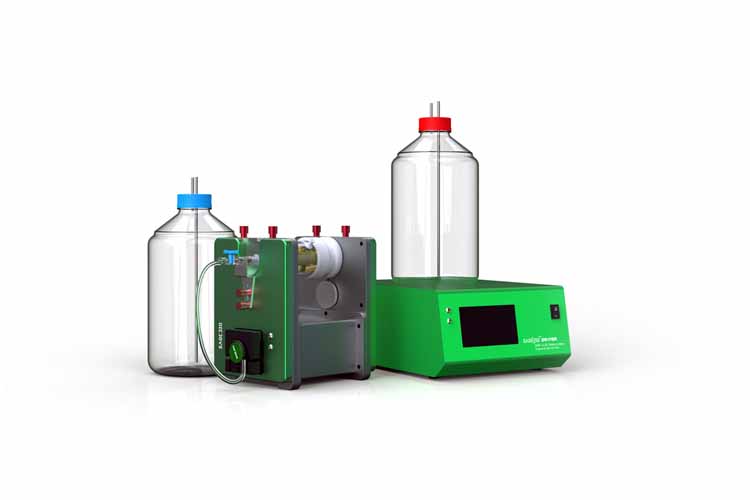
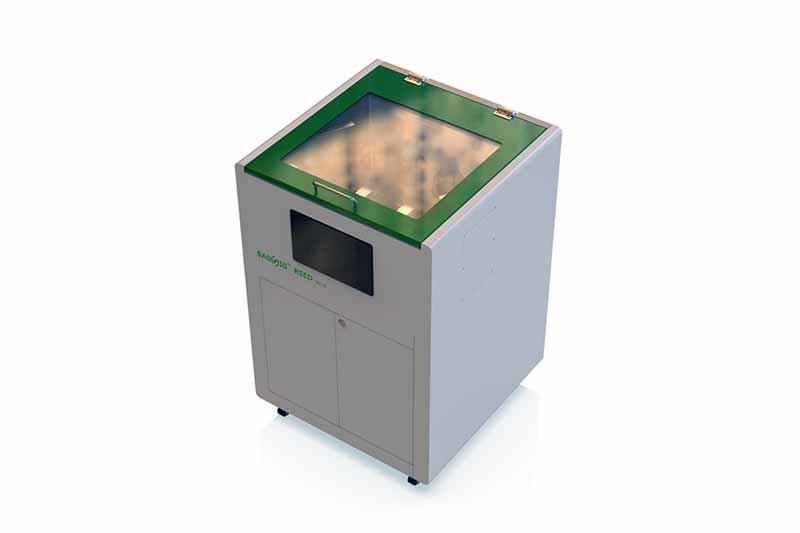
SARC (Single Axis Rotary Cultivation) is an independently developed single‑axis rotating cell culture system designed for ground‑laboratory simulation of microgravity effects and dynamic 3D culture of cells, tissues, and microorganisms. It provides a low‑cost, repeatable platform for microgravity simulation and dynamic 3D culture.
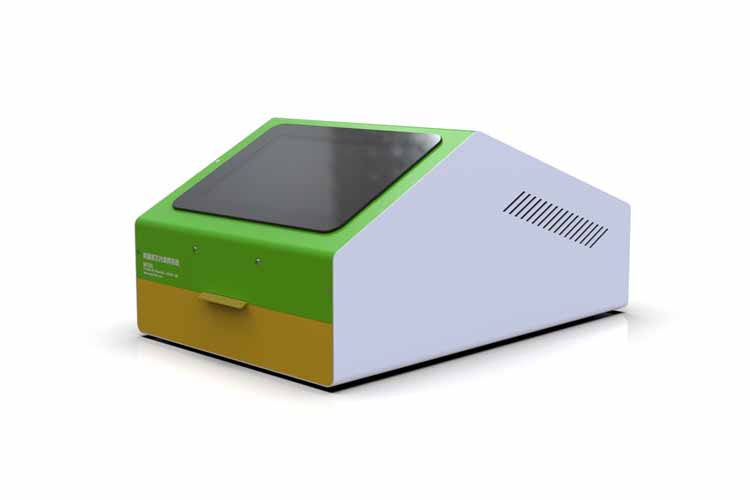
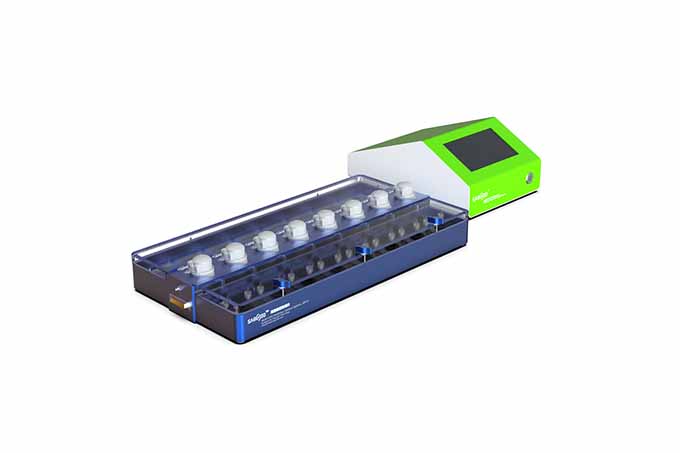
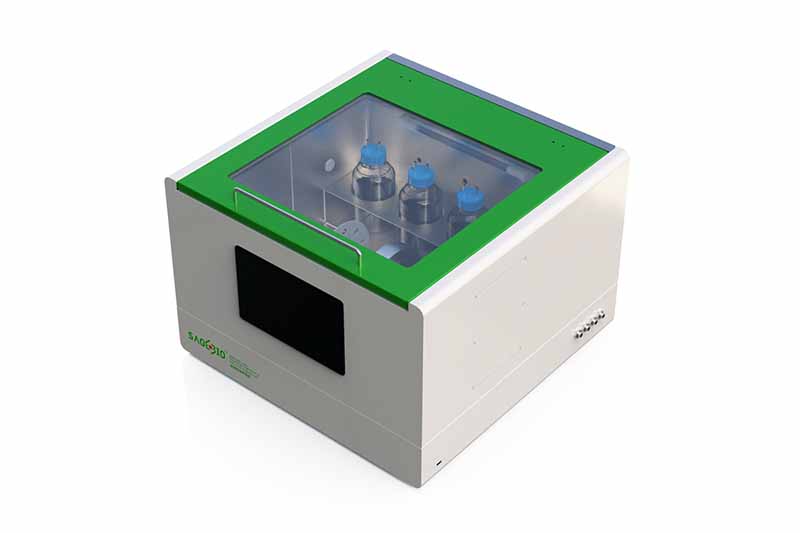
The product line includes the SARC‑G Series General Rotary Culture System and the SARC‑P Series Perfusion Rotary Culture System, covering most requirements for dynamic 3D culture and simulated microgravity culture. In addition to cell and tissue culture, the system is also suitable for microbial culture.
SARC systems are used with dedicated culture vessels that are
100% completely filled with medium, eliminating air bubbles. A large‑area gas exchange membrane integrated into the vessel ensures efficient gas exchange, creating a
bubble‑free, low‑shear, dynamically stable cell growth environment without mechanical agitation or turbulent flow.
Cells inside undergo random tumbling motion and can spontaneously aggregate, making the system ideal for dynamic cell culture, 3D culture, and simulated microgravity studies.
Key Features of the SARC‑P Perfusion Rotary 3D Culture System
- Bubble‑free operation: Vessels are 100% filled with culture medium to eliminate bubble interference.
- No liquid turbulence or mechanical stirring.
- Supports both low‑shear and high‑shear culture modes, with real‑time shear stress data and curve display.
- Superior gas exchange via large‑area gas permeable membranes or oxygenators (for SARC‑P).
- Continuous perfusion: Medium is automatically refreshed according to programmed parameters, avoiding risks from manual medium changes.
- Perfusion enables reagent addition during culture without interruption.
- Supports co‑culture systems using dedicated vessels (SARC‑P series only).
- Real‑time display of simulated microgravity level for user reference.
- Designed for long‑term placement inside CO₂ incubators; can operate continuously for more than 6 months at 35–40 °C and 85–99% RH.
- Extremely low heat generation, no interference with incubator temperature stability.
- Ideal for suspension cell culture and simulated microgravity applications in cell biology, tissue engineering, microbiology, regenerative medicine, and space medicine.
Key Advantages
As a direct competitor to high‑end imported systems (such as NASA RCCS single‑axis rotating bioreactors), SARC not only matches core functions of microgravity simulation and dynamic 3D culture but also surpasses them in multiple dimensions.
The SARC‑G general‑purpose series and SARC‑P perfusion series provide broader coverage, while cost efficiency and local technical support offer strong advantages.
Cell viability exceeds 96% across the entire SARC product line.
Using 100% bubble‑free dedicated vessels (SG‑RWV or SG‑PRV) and high‑efficiency gas exchange components, cell aggregation and viability are greatly improved in a low‑shear environment.
The SARC‑P series supports continuous perfusion to mimic complex vascular microenvironments and allows reagent addition during culture.
The SARC‑G series features a multi‑channel design for parallel sample culture, with the standard model supporting up to
12 channels (vs. 8 channels for standard RCCS).
The system’s low heat output ensures compatibility with CO₂ incubators. It displays real‑time microgravity level down to
10⁻³g (not available on RCCS).
Beyond mammalian cells and tissues, SARC also supports microbial culture.
Main Advantages of the SARC‑P Perfusion Rotary 3D Culture System
- Dual product series for full coverage: SARC‑G for multi‑channel parallel culture; SARC‑P for advanced perfusion.
- 100% bubble‑free design with dedicated SG‑PRV perfusion rotary wall vessels enabling quick manual de‑bubbling, reducing cell damage from turbulence.
- No mechanical agitation; low shear (switchable to high‑shear mode); higher cell aggregation efficiency via random tumbling.
- Large gas exchange membrane or oxygenator delivers higher oxygenation efficiency than imported systems.
- SARC‑P supports programmable perfusion speed, medium density, and dynamic viscosity; automatically updates medium and calculates/displays real‑time shear stress.
- Real‑time display of 10⁻³g microgravity level and internal shear stress, with curve recording and historical data export via USB.
- High‑speed (>3000 RPM) miniature precision motor with precision planetary gearbox delivers high power at low energy and extremely low heat generation, improving temperature stability over imported systems and ensuring excellent CO₂ incubator compatibility.
- Supports co‑culture and in‑process reagent addition without pausing; multi‑stage co‑culture vessels available.
- Broad interdisciplinary application: microbial culture, cell culture, tissue engineering, organoid culture, embryo culture, and more.
Applications
The
SARC‑P Perfusion 3D Cell Culture System is designed for research requiring long‑term dynamic culture and in vivo microenvironment simulation.
Using the dedicated SG‑PRV perfusion vessel, it provides a
100% bubble‑free, low‑shear environment with high‑efficiency oxygenation for optimal gas exchange.
Continuous perfusion supports customizable parameters to mimic vascular microenvironments, and reagent can be added during culture without interruption.
The system displays real‑time microgravity level down to
10⁻³g and shear stress, with data export via USB.
Its low heat output ensures stable compatibility with CO₂ incubators.
It is widely used in tissue engineering, space medicine, cancer research, and other fields, providing a reliable platform for high‑precision, high‑stability 3D culture.
Core Applications of the SARC‑P Perfusion Series (including but not limited to)
- Tissue engineering for cartilage / bone: Continuous perfusion simulates vascular nutrient supply; low shear preserves cell activity for functional tissue regeneration.
- Space medicine & microgravity cell research: Real‑time 10⁻³g display and >96% cell viability faithfully reproduce in‑space cell behavior.
- Tumor spheroid modeling: Bubble‑free environment prevents local hypoxia; drug administration without interruption enables accurate in vivo‑like tumor microenvironment simulation.
- Long‑term organoid culture (liver / kidney): Custom multi‑layer co‑culture vessels and real‑time shear monitoring maintain organoid structure and function.
- High‑density microbial fermentation: Efficient oxygenation and automatic medium refresh support high‑value microbial product production.
- Mesenchymal stem cell expansion for cell therapy: Low‑shear environment minimizes damage; continuous perfusion optimizes nutrient levels for high‑quality expansion.
- Embryo in vitro culture: Low heat output preserves stable incubator temperature, supporting embryo development and implantation research.
- Cross‑species cell co‑culture (e.g., immune–tumor cells): Dedicated vessels eliminate mechanical interference for natural cell–cell interaction studies.
- Drug toxicity and efficacy screening: Continuous perfusion mimics in vivo drug metabolism; stable parameters improve reproducibility and screening accuracy.
bio-equip.cn
 中文
中文