 中文
中文


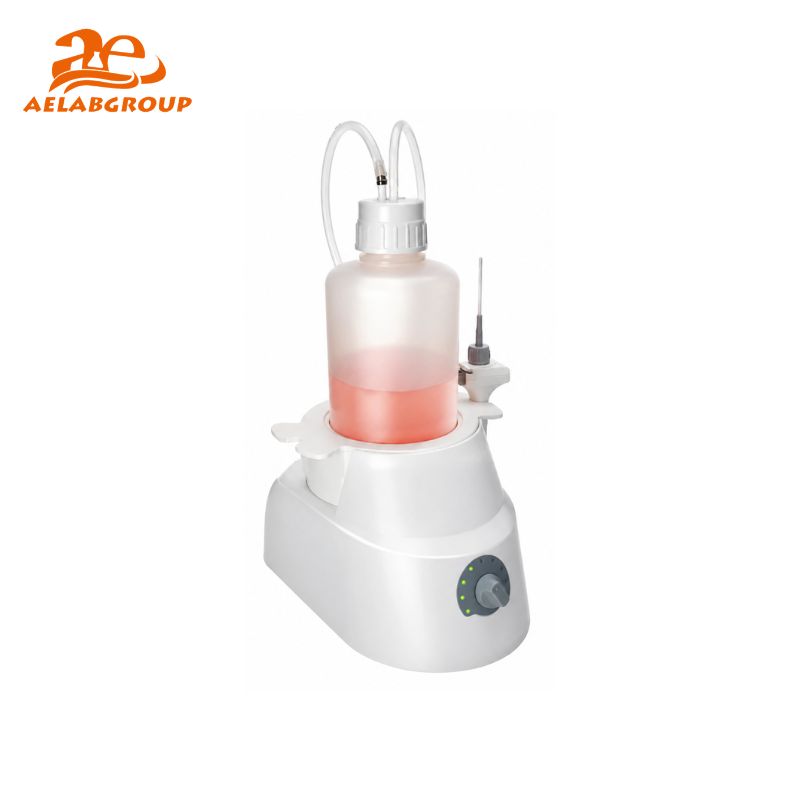
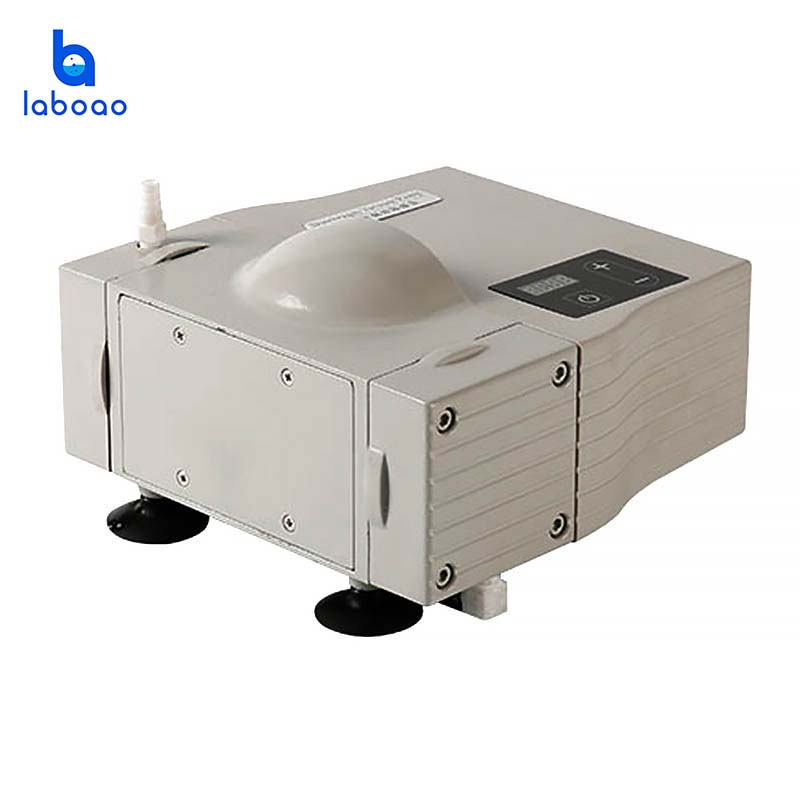
AELAB Vacuum Suction Systems – Compact, Economical & Vacuum-Controlled Aspirators

- Product Detail
- Company Profile
- Removal of culture media from cell culture vessels
- Aspiration of supernatants after centrifugation
- Collection of biological liquid waste
- Collection of compatible chemical liquid waste
- Removal of wash buffers from microplates
- Liquid handling during immunoassay procedures
- Aspiration during nucleic acid extraction workflows
- Buffer removal during blotting procedures
- Removal of excess liquid from laboratory slides and dishes
- Routine aspiration in microbiology laboratories
- Sample preparation in molecular biology laboratories
- Liquid removal inside controlled laboratory work areas
- Faster liquid removal compared with repetitive manual pipetting
- Controlled aspiration for different sample types and containers
- Centralized collection of laboratory liquid waste
- Reduced operator fatigue during repetitive procedures
- Cleaner and more organized laboratory workflows
- Compatibility with different aspiration needles and adapters
- Options for single-channel and multi-channel aspiration
- Different collection capacities for various workloads
- Improved protection of the vacuum source through suitable filters
- Support for routine research, clinical and quality-control applications
- Single-channel aspiration needles
- Pipette-tip aspiration adapters
- Fine aspiration tips for small vessels
- Single-channel hand controls
- Multi-channel aspiration heads
- Microplate aspiration adapters
- Flexible vacuum tubing
- Hydrophobic protection filters
- Overflow-prevention components
- Replacement waste collection containers
- Use a collection container compatible with the aspirated liquid.
- Do not exceed the recommended filling level of the waste container.
- Use suitable filters to protect the vacuum source from liquids and aerosols.
- Ensure that the collection container is properly sealed before operation.
- Use appropriate disinfectants for compatible biological waste.
- Do not aspirate incompatible, flammable or hazardous liquids unless the system is specifically designed for that purpose.
- Wear suitable personal protective equipment during operation and waste disposal.
- Empty and clean the waste container according to laboratory procedures.
- Inspect tubing and connectors regularly for leakage, blockage or damage.
- Replace contaminated or damaged filters when necessary.
- Empty the collection container before it reaches its maximum safe level.
- Rinse and clean the container after use according to the waste type.
- Sterilize compatible components when required by the laboratory procedure.
- Check tubing for cracks, discoloration, deposits or reduced flexibility.
- Inspect aspiration needles and adapters for blockage.
- Check bottle seals and connections for vacuum leakage.
- Replace protection filters according to their condition and usage.
- Keep the external surfaces clean and dry.
- Follow the manufacturer’s instructions for vacuum-source maintenance.
- Store cleaned accessories in a protected and organized location.
- Cell culture laboratories
- Molecular biology laboratories
- Microbiology laboratories
- Clinical and diagnostic laboratories
- Pharmaceutical research laboratories
- Biotechnology laboratories
- University and educational laboratories
- Medical research centers
- Food and environmental testing laboratories
- Industrial quality-control laboratories
- Research and development departments
- Laboratories performing immunoassay procedures
- Solutions for different laboratory aspiration workflows
- Options for compact, portable and higher-capacity applications
- Controlled vacuum configurations for different liquid types
- Support for single-channel and multi-channel aspiration
- Compatibility with different collection and aspiration accessories
- Solutions for research, clinical and biological laboratories
- Technical support for system selection before quotation
- Configuration support according to laboratory requirements
- International supply and export packaging support
- Shipping and commercial support for distributors and end users
AELAB provides laboratory vacuum suction systems designed for controlled liquid aspiration, waste collection and routine fluid removal in research, clinical, microbiology, molecular biology and cell culture laboratories.
These systems combine a controlled vacuum source with a liquid collection container, tubing, aspiration accessories and protective components. They help laboratories remove unwanted liquids more efficiently while reducing repetitive manual pipetting and improving the organization of liquid waste handling.
Laboratory vacuum suction systems can support different workflows, including the aspiration of culture media, supernatants, washing solutions, buffers and other laboratory liquids from tubes, plates, flasks, dishes and sample containers.
The appropriate system should be selected according to the required collection capacity, vacuum control, aspiration speed, sample type, daily workload, sterilization requirements and preferred aspiration accessories.
Explore AELAB Laboratory Vacuum Suction Solutions
Compare laboratory aspiration and liquid waste collection systems suitable for different research, testing and sample-preparation workflows.
What Is a Laboratory Vacuum Suction System?
A laboratory vacuum suction system is used to generate controlled negative pressure for removing liquids from laboratory vessels and transferring them into a dedicated waste collection container.
Unlike a basic standalone vacuum pump, a laboratory suction system is normally configured specifically for liquid aspiration. It may include a collection bottle, vacuum tubing, aspiration handle, filters, adapters and safety components that help protect the vacuum source from liquid and aerosol contamination.
These systems are commonly used where repetitive liquid removal must be performed quickly, consistently and with better control than manual pipetting alone.
Common Types of Laboratory Vacuum Suction Systems
| System Type | Typical Application |
|---|---|
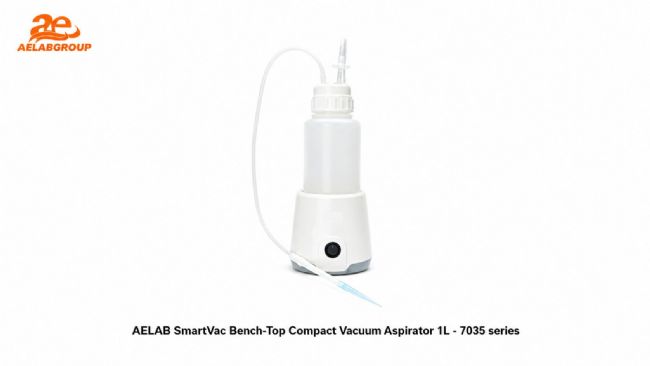
| Compact Bench-Top System | Suitable for routine liquid aspiration where laboratory bench space is limited and moderate collection capacity is sufficient. |
| Portable Aspiration System | Designed for flexible use between workstations or inside compatible clean benches, laminar flow cabinets and biosafety work areas. |
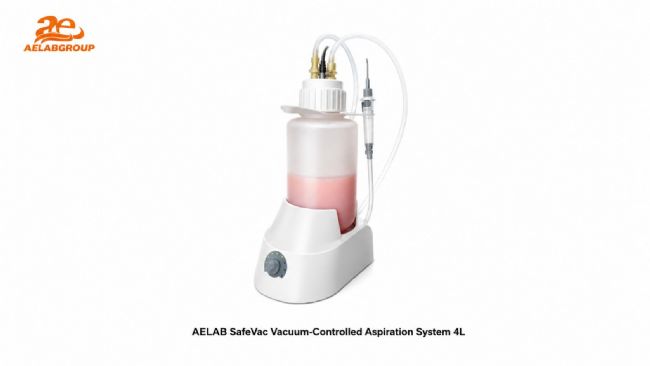
| Vacuum-Controlled System | Allows the user to regulate negative pressure according to the liquid type, vessel size and required aspiration speed. |
| Single-Channel Aspiration System | Used for controlled removal of liquid from individual tubes, flasks, culture dishes, slides or laboratory containers. |
| Multi-Channel Aspiration System | Suitable for repetitive aspiration from microplates and other workflows where several wells must be processed efficiently. |
| Higher-Capacity Waste Collection System | Selected for laboratories that handle larger daily volumes of liquid waste or perform aspiration procedures frequently. |
Typical Applications
How a Vacuum Suction System Works
The system generates negative pressure through a vacuum source. When the aspiration handle or connected accessory is activated, liquid is drawn through the tubing and transferred into the waste collection container.
The vacuum level may be fixed or adjustable depending on the system configuration. Adjustable vacuum control helps the operator match the suction strength to delicate samples, small vessels, larger liquid volumes or faster routine aspiration.
Protective filters and overflow-control components may be used between the waste container and the vacuum source. These components help reduce the risk of liquid, foam or contaminated aerosols entering the internal vacuum mechanism.
Benefits of Laboratory Vacuum Suction Systems
How to Select the Right Vacuum Suction System
Selecting a suitable vacuum suction system requires more than choosing a collection bottle size. The system should match the liquid type, laboratory workload, vessel format, aspiration method and cleaning requirements of the intended application.
| Selection Factor | Questions to Consider |
|---|---|
| Collection Capacity | How much liquid waste is normally generated before the collection container can be safely emptied? |
| Required Vacuum Level | Does the application require gentle aspiration, stronger suction or adjustable vacuum control? |
| Aspiration Speed | Is the system required for occasional small-volume work or frequent aspiration of larger liquid volumes? |
| Liquid Type | Will the system collect culture media, aqueous buffers, biological waste or compatible chemical liquids? |
| Daily Workload | How many tubes, plates, flasks, dishes or samples must be processed during each working day? |
| Vessel Format | Will aspiration be performed from individual tubes, culture vessels, microplates, slides or larger containers? |
| Aspiration Accessories | Are single needles, pipette-tip adapters, multi-channel heads or specialized handles required? |
| Portability | Will the system remain at one workstation or move between different laboratory areas? |
| Sterilization Requirements | Must the bottle, tubing, handle or liquid-contact components be sterilized between procedures? |
| Contamination Control | Does the workflow require hydrophobic filtration, overflow protection or other barriers between the liquid waste and vacuum source? |
| Noise Level | Will the system be used continuously in an environment where quiet operation is important? |
| Power Configuration | Is continuous mains-powered operation suitable, or is a rechargeable portable configuration preferred? |
Selection According to Laboratory Workflow
| Laboratory Requirement | Recommended System Characteristics |
|---|---|
| Occasional aspiration of small liquid volumes | Compact design, moderate collection capacity and simple aspiration control. |
| Cell culture media removal | Adjustable vacuum, suitable aspiration handle, contamination-protection filter and sterilizable liquid-contact components. |
| Microplate washing and liquid removal | Multi-channel accessory compatibility and controlled aspiration to reduce repetitive processing time. |
| Frequent laboratory waste collection | Larger collection capacity, reliable continuous operation and easy container emptying. |
| Use inside a clean bench or cabinet | Compact footprint, low noise and flexible positioning within the available workspace. |
| Biological liquid waste handling | Secure waste container, appropriate filtration and components compatible with laboratory disinfection procedures. |
| Multiple workstations | Portable construction, easy transport and convenient tubing and accessory organization. |
Common Aspiration Accessories
The efficiency of a vacuum suction system depends partly on the accessory connected to the aspiration tubing. Different accessories may be used according to the vessel type and required level of control.
Accessory compatibility should always be confirmed before selection, especially when the system will be used with microplates, narrow tubes or specialized culture vessels.
Safety and Contamination-Control Considerations
Laboratory liquid waste may contain biological material, chemicals or substances that require controlled handling. The vacuum suction system should therefore be selected and operated according to the laboratory’s biosafety, chemical safety and waste-disposal procedures.
Cleaning and Routine Maintenance
Regular cleaning and inspection help maintain stable aspiration performance and reduce contamination risks. Maintenance requirements depend on the type of liquid collected, daily workload and system configuration.
Who Uses Laboratory Vacuum Suction Systems?
Why Choose AELAB Vacuum Suction Systems?
AELAB is a laboratory equipment brand and supplier based in Guangzhou, China. AELAB provides analytical instruments, general laboratory equipment, sample-preparation systems and quality-control solutions for distributors, universities, research organizations and industrial customers worldwide.
The AELAB product range supports laboratory workflows in life science research, clinical testing, pharmaceutical quality control, environmental analysis, agricultural testing, petroleum testing and industrial laboratories.
Official website: www.aelabgroup.com
Frequently Asked Questions
What is a vacuum suction system used for in a laboratory?
It is used to generate controlled negative pressure for removing liquids from tubes, plates, culture vessels and other laboratory containers and transferring them into a waste collection container.
What is the difference between a vacuum pump and a vacuum suction system?
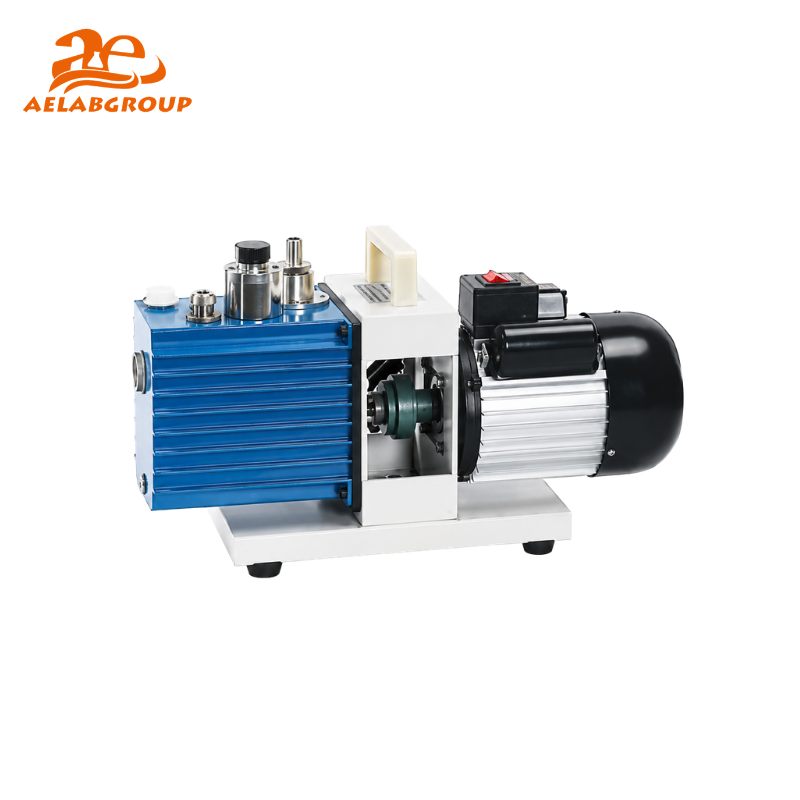
A vacuum pump only produces negative pressure. A vacuum suction system is configured for liquid aspiration and normally includes a collection container, tubing, filters, aspiration accessories and safety components.
Can a vacuum suction system be used for cell culture?
Yes. These systems are commonly used to remove culture media and washing liquids from flasks, dishes and plates. Appropriate contamination-control and cleaning procedures should be followed.
How should the collection capacity be selected?
Collection capacity should be selected according to daily liquid volume, emptying frequency, available bench space and the laboratory’s waste-handling procedure.
Is adjustable vacuum control important?
Adjustable control is useful when the laboratory handles different liquid volumes, delicate samples or vessels that require different aspiration strengths.
Can one system be used with different aspiration accessories?
Many systems support different needles, handles and adapters. Compatibility should be checked according to the vessel format and intended procedure.
Can AELAB help select the right vacuum suction system?
Yes. Customers can provide their application, liquid type, daily workload, required collection capacity, preferred accessories, power supply and destination country for technical selection support.
Tell the AELAB technical sales team about your laboratory application, liquid type, expected daily waste volume, required collection capacity, preferred aspiration accessories and sterilization requirements.
A suitable vacuum suction system configuration can then be recommended according to your laboratory workflow and operating conditions.
The commercial proposal can include technical information, available configurations, compatible accessories, delivery time, export packaging and shipping details.
View AELAB Vacuum Suction Systems
Email: info@aelabgroup.com
WhatsApp / WeChat: +86 158 0001 6110
Website: www.aelabgroup.com
-
AELAB GUANGZHOU CO., LTD.
AELAB is a laboratory equipment and analytical instrument supplier based in Guangzhou, China. We provide laboratory instruments, quality control equipment, analytical systems, sample preparation equipment, and related laboratory solutions for distributors, industrial laboratories, universities, research organizations, and testing centers worldwide.
AELAB offers both our own-brand products and carefully selected instruments from established manufacturers. OEM and ODM services are available for selected AELAB products, including customized branding, appearance, configuration, power supply, accessories, packaging, and documentation according to customer requirements.
For laboratory projects, distributor orders, government tenders, and complete laboratory setups, our team can provide a one-stop purchasing solution. We assist customers with product selection, technical comparison, quotation preparation, sourcing, quality inspection, export packaging, shipping coordination, and after-sales support.
Our technical team helps customers select suitable equipment based on their application, testing method, required specifications, budget, and local standards. Warranty and technical support are provided according to the product and project requirements.
AELAB operates under an established quality management system. Relevant company and product documentation may include SGS verification, ISO certification, CE, RoHS, FCC, or UL-related documentation, depending on the specific product model and configuration. Customers may contact us to confirm the available certificates before ordering.
Our equipment is widely used in industrial quality control, scientific research, universities, pharmaceutical laboratories, food and agricultural testing, environmental analysis, chemical laboratories, and other professional testing applications.
We are committed to developing long-term cooperation with distributors, laboratories, research institutions, and project contractors. If you are looking for a reliable laboratory equipment supplier with stable service and technical support, please contact AELAB.
Contact AELAB
Website:
https://aelabgroup.com
Email:
info@aelabgroup.com
WhatsApp / WeChat:
+86 15800016110
| Request Information |
| Other Products |
| Related Products |
| Recently viewed products |