 中文
中文


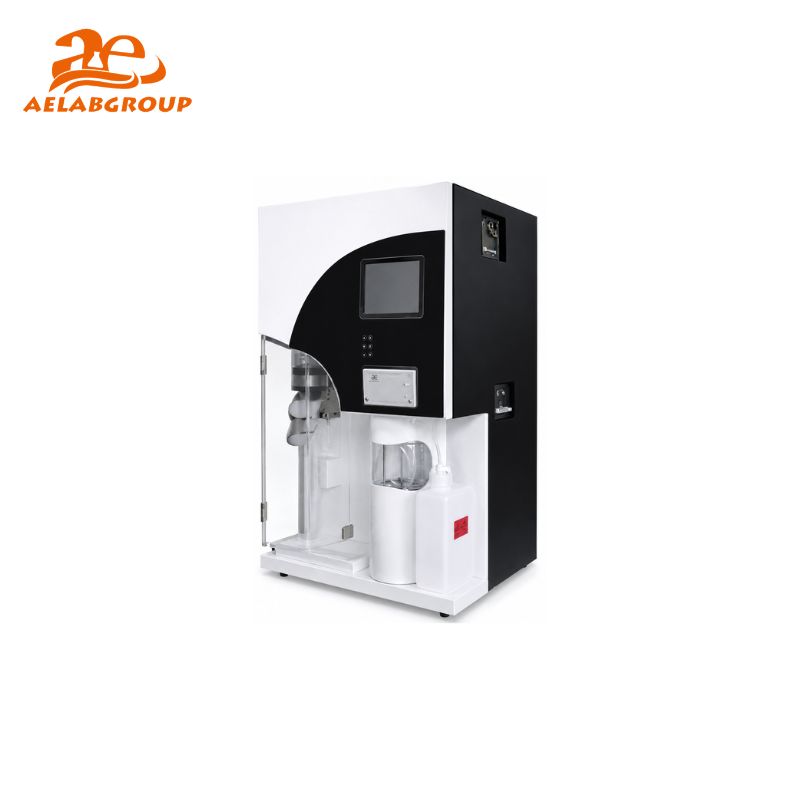
AELAB Kjeldahl Nitrogen Analysis Equipment – Digestion & Nitrogen Determination

- Product Detail
- Company Profile
- Protein determination in food and beverage products
- Nitrogen analysis in animal feed and feed ingredients
- Testing of grains, cereals, flour, oilseeds and agricultural products
- Protein analysis in milk, dairy products, meat and processed foods
- Total nitrogen determination in fertilizers and soil-related samples
- Nitrogen analysis in wastewater, sludge and environmental samples
- Testing of chemicals, raw materials and industrial formulations
- Research and educational laboratory analysis
- Quality control of incoming materials and finished products
- Method development and routine analytical testing
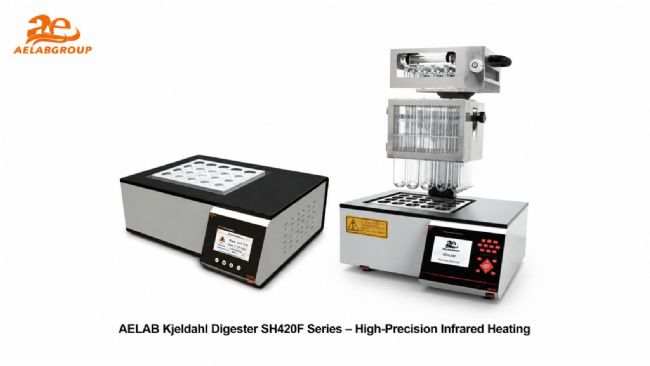
- Stable and uniform digestion heating
- Appropriate number of digestion positions
- Reliable control of digestion temperature and time
- Chemical-resistant tubes, seals and fluid-contact components
- Controlled addition of alkali, dilution water and receiving solution where applicable
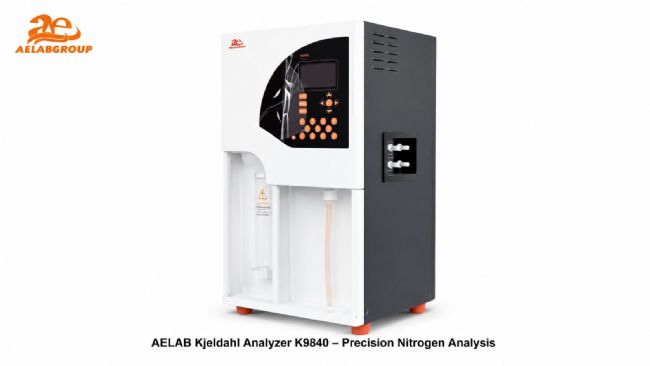
- Efficient ammonia distillation and recovery
- Clear operating interface and method programming
- Automatic cleaning or rinsing functions where available
- Safety monitoring for temperature, water supply and process conditions
- Convenient access for routine cleaning and maintenance
- Result calculation, storage and output options
- Compatibility with the laboratory’s existing Kjeldahl procedure
- Representative sampling and complete sample homogenization
- Accurate sample weighing and transfer
- Correct selection and quantity of digestion reagents
- Complete digestion of the sample matrix
- Stable digestion temperature and sufficient digestion time
- Prevention of sample loss, contamination and carryover
- Efficient ammonia release and distillation
- Correct preparation and standardization of analytical solutions
- Use of blanks, reference materials and quality-control samples
- Routine inspection, cleaning and verification of the system
- Solutions for both digestion and nitrogen analysis workflows
- Configurations suitable for different sample capacities and laboratory workloads
- Options for routine quality-control, research and industrial laboratories
- Selection support based on sample type and analytical method
- Equipment designed for practical laboratory operation and maintenance
- Support for matching digestion capacity with analysis throughput
- Technical documentation and configuration assistance
- International supply, export packaging and shipping support
- Power-supply and configuration support according to destination requirements where available
AELAB supplies Kjeldahl nitrogen analysis equipment for laboratories that require reliable determination of nitrogen and calculated protein content in food, feed, agricultural products, fertilizers, environmental samples, chemicals and other materials.
This category includes laboratory solutions used across the main stages of the Kjeldahl workflow, including sample digestion, ammonia distillation, nitrogen determination and related sample preparation procedures.
Different configurations can be selected according to sample type, daily testing volume, digestion capacity, automation requirements, laboratory safety conditions and the analytical method used by the laboratory.
Compare available Kjeldahl digestion and nitrogen analysis solutions according to your sample matrix, testing capacity and laboratory workflow.
What Is Kjeldahl Nitrogen Analysis Equipment?
Kjeldahl nitrogen analysis equipment is used to determine nitrogen in a sample through a laboratory procedure involving digestion, conversion of nitrogen compounds to ammonium, alkaline distillation and quantitative determination of the released ammonia.
The measured nitrogen value may also be converted into an estimated protein value by applying an appropriate conversion factor for the sample being tested. For this reason, the Kjeldahl method is widely used in food, feed, agricultural, environmental and industrial laboratories.
A complete Kjeldahl laboratory workflow may use separate digestion and analysis equipment or a coordinated system selected according to the laboratory’s preferred analytical procedure.
Equipment Types in This Category
| Equipment Type | Role in the Kjeldahl Workflow |
|---|---|
| Kjeldahl Digestion Systems | Provide controlled heating for sample digestion using suitable acids, catalysts and laboratory digestion tubes. |
| Kjeldahl Distillation Systems | Convert ammonium compounds into ammonia under alkaline conditions and transfer the ammonia into a receiving solution. |
| Nitrogen Analysis Systems | Support quantitative nitrogen determination through controlled distillation and the selected endpoint measurement procedure. |
| Semi-Automatic Kjeldahl Systems | Automate selected analysis stages while allowing the laboratory operator to control other parts of the workflow. |
| Automatic Kjeldahl Systems | Reduce manual operation by controlling reagent addition, distillation, process timing and other analysis steps, depending on configuration. |
| Supporting Accessories | May include digestion tubes, tube racks, exhaust accessories, reagent containers and other items required for routine Kjeldahl testing. |
Typical Kjeldahl Analysis Workflow
1. Sample Preparation
The sample is weighed, homogenized and transferred into a suitable digestion tube.
2. Acid Digestion
The sample is heated with appropriate reagents to convert nitrogen-containing compounds into ammonium form.
3. Alkaline Distillation
An alkaline reagent releases ammonia, which is distilled from the digested sample.
4. Nitrogen Determination
The collected ammonia is measured using the laboratory’s specified quantitative procedure.
5. Result Calculation
Nitrogen concentration is calculated and may be converted to protein content using a suitable factor.
Typical Applications
Common Sample Categories
| Sample Category | Examples |
|---|---|
| Food and Beverage | Dairy products, meat, cereals, flour, processed foods, beverages and food ingredients. |
| Animal Feed | Compound feed, feed additives, forage, grain-based feed and protein-rich ingredients. |
| Agricultural Materials | Soil, fertilizers, plant materials, seeds, grains and agricultural research samples. |
| Environmental Samples | Wastewater, sludge, sediment and other samples requiring nitrogen determination. |
| Chemical and Industrial Samples | Raw materials, chemical products, formulations and nitrogen-containing industrial materials. |
| Research Samples | Samples prepared for academic, analytical, nutritional and product-development studies. |
How to Select Kjeldahl Nitrogen Analysis Equipment
Selecting a suitable Kjeldahl system requires evaluation of the complete laboratory workflow rather than only the final nitrogen measurement step. Digestion capacity, sample characteristics, testing volume, reagent handling, automation level and laboratory ventilation should all be considered.
| Selection Factor | Questions to Consider |
|---|---|
| Sample Type | Will the laboratory test food, feed, fertilizer, soil, wastewater, chemicals or multiple sample matrices? |
| Daily Sample Volume | How many samples must be digested and analyzed during each working day? |
| Digestion Capacity | How many digestion tubes should be processed in one heating cycle? |
| Automation Level | Does the laboratory require manual, semi-automatic or more highly automated reagent and distillation control? |
| Measurement Workflow | Will nitrogen determination be completed through an external titration procedure or an integrated analytical workflow? |
| Reagent Management | What reagent containers, dosing functions and chemical-resistant components are required? |
| Safety Requirements | Are exhaust collection, over-temperature protection, cooling-water monitoring or other safeguards needed? |
| Method Compatibility | Which laboratory method, sample preparation procedure or quality-control protocol must be followed? |
| Data Management | Does the laboratory require result storage, printing, calculation functions or connection with external data systems? |
| Laboratory Infrastructure | Are sufficient ventilation, water supply, drainage, electrical power and chemical-handling facilities available? |
Important Features to Evaluate
Laboratory Preparation Requirements
Ventilation and Fume Control
Digestion procedures may generate corrosive fumes. Suitable exhaust collection and laboratory ventilation should be planned before installation.
Water and Drainage
Depending on the configuration, the distillation workflow may require a suitable water supply, cooling arrangement and drainage connection.
Chemical Handling
The laboratory should provide appropriate chemical storage, personal protective equipment and procedures for handling acids, alkalis and catalysts.
Sample Preparation Area
Accurate weighing, grinding, homogenization and transfer procedures are important for obtaining representative and repeatable results.
Factors Affecting Result Quality
Why Choose AELAB Kjeldahl Analysis Solutions?
AELAB is a laboratory equipment brand and supplier based in Guangzhou, China. The company provides analytical instruments, general laboratory equipment and testing solutions for distributors, universities, research organizations, quality-control laboratories and industrial customers worldwide.
AELAB supplies equipment for analytical testing, sample preparation, environmental analysis, agricultural testing, pharmaceutical quality control and other laboratory applications.
Official website: www.aelabgroup.com
Frequently Asked Questions
What is a Kjeldahl nitrogen analyzer used for?
It is used to determine nitrogen content in samples such as food, animal feed, agricultural products, fertilizers, environmental samples and chemical materials. The nitrogen result may also be converted into an estimated protein value.
Is a Kjeldahl digester the same as a nitrogen analyzer?
No. A digester performs the acid digestion stage, while a nitrogen analysis or distillation system is used for the later ammonia release and quantitative determination stages. Both may be required for a complete Kjeldahl workflow.
Can Kjeldahl equipment be used for protein determination?
Yes. The measured nitrogen content can be multiplied by an appropriate conversion factor to estimate protein content. The correct factor depends on the sample and the analytical method being followed.
Can solid and liquid samples be tested?
Kjeldahl procedures may be used for both solid and liquid samples, provided that the digestion procedure, sample amount and reagent conditions are suitable for the sample matrix.
How should digestion capacity be selected?
The digestion capacity should be selected according to the number of samples tested per batch, daily workload, digestion time and the processing capacity of the distillation or analysis stage.
What information is needed for equipment selection?
Provide the sample type, daily sample quantity, preferred digestion capacity, required automation level, analytical method, laboratory utilities and destination country.
Tell the AELAB technical sales team about your samples, daily testing volume, digestion capacity, preferred automation level and laboratory method. A suitable Kjeldahl nitrogen analysis configuration can then be recommended according to your actual testing requirements.
The technical proposal may include suitable equipment categories, configuration information, available accessories, laboratory installation requirements, delivery information, packaging and shipping details.
View Kjeldahl Nitrogen Analysis Equipment
Email: info@aelabgroup.com
WhatsApp / WeChat: +86 158 0001 6110
Website: www.aelabgroup.com
-
AELAB GUANGZHOU CO., LTD.
AELAB is a laboratory equipment and analytical instrument supplier based in Guangzhou, China. We provide laboratory instruments, quality control equipment, analytical systems, sample preparation equipment, and related laboratory solutions for distributors, industrial laboratories, universities, research organizations, and testing centers worldwide.
AELAB offers both our own-brand products and carefully selected instruments from established manufacturers. OEM and ODM services are available for selected AELAB products, including customized branding, appearance, configuration, power supply, accessories, packaging, and documentation according to customer requirements.
For laboratory projects, distributor orders, government tenders, and complete laboratory setups, our team can provide a one-stop purchasing solution. We assist customers with product selection, technical comparison, quotation preparation, sourcing, quality inspection, export packaging, shipping coordination, and after-sales support.
Our technical team helps customers select suitable equipment based on their application, testing method, required specifications, budget, and local standards. Warranty and technical support are provided according to the product and project requirements.
AELAB operates under an established quality management system. Relevant company and product documentation may include SGS verification, ISO certification, CE, RoHS, FCC, or UL-related documentation, depending on the specific product model and configuration. Customers may contact us to confirm the available certificates before ordering.
Our equipment is widely used in industrial quality control, scientific research, universities, pharmaceutical laboratories, food and agricultural testing, environmental analysis, chemical laboratories, and other professional testing applications.
We are committed to developing long-term cooperation with distributors, laboratories, research institutions, and project contractors. If you are looking for a reliable laboratory equipment supplier with stable service and technical support, please contact AELAB.
Contact AELAB
Website:
https://aelabgroup.com
Email:
info@aelabgroup.com
WhatsApp / WeChat:
+86 15800016110
| Request Information |
| Other Products |
| Related Products |

| Recently viewed products |