 中文
中文


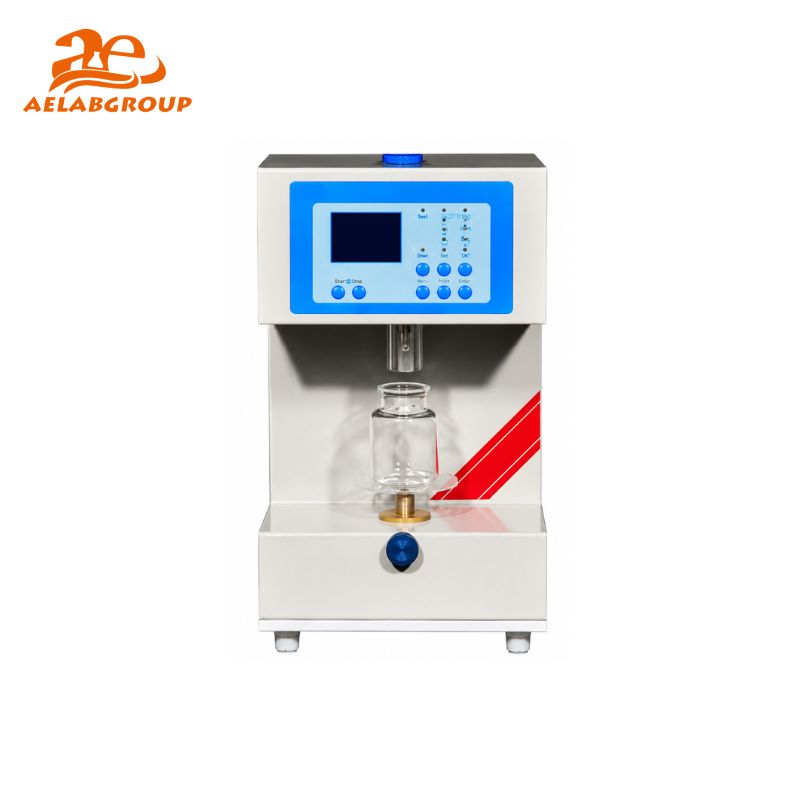
AELAB Gel Strength Testers – Laboratory Gelatin & Bloom Strength Testing Solutions

- Product Detail
- Company Profile
- Gelatin manufacturing and quality control
- Hard and soft gelatin capsule production
- Pharmaceutical formulation laboratories
- Food and beverage product development
- Confectionery and gummy product testing
- Dairy dessert and gelled food analysis
- Collagen and protein-based material evaluation
- Cosmetic and personal-care formulation testing
- University and scientific research laboratories
- Raw material inspection and supplier qualification
- Production batch consistency monitoring
- Gel texture and formulation development
- Incorrect gelatin concentration or sample weight
- Variation in water quality or water quantity
- Incomplete sample dissolution
- Excessive heating during preparation
- Air bubbles inside the gel sample
- Uneven or insufficient conditioning time
- Incorrect sample temperature during measurement
- Differences in container size or sample depth
- Incorrect probe alignment or penetration position
- Contaminated probe or sample container
- Unstable instrument placement or vibration
- Inconsistent testing procedure between operators
- Controlled and repeatable probe movement
- Stable force measurement for gel firmness evaluation
- Clear digital display of test results
- Suitable measurement range for gelatin Bloom testing
- Adjustable or method-compatible testing parameters
- Secure sample positioning during measurement
- Simple operation for routine quality-control laboratories
- Easy-to-clean probe and working platform
- Consistent results across repeated sample measurements
- Data output or result recording options where available
- Solutions for gelatin and gel-based material quality control
- Suitable for production laboratories, research centers and inspection facilities
- Support for Bloom strength and gel firmness testing applications
- Configurations for different laboratory requirements and testing workflows
- Stable measurement and repeatable probe movement
- Technical support for instrument selection before quotation
- Assistance with testing requirements and application evaluation
- International supply, export packaging and shipping support
- Power-supply and configuration support according to destination market
- Type of gelatin or gel material
- Expected gel strength or Bloom range
- Required testing method or internal procedure
- Sample concentration and container dimensions
- Required measurement accuracy
- Number of samples tested per day
- Required data output or printing functions
- Preferred power supply
- Destination country
- Required optional accessories or supporting equipment
AELAB Gel Strength Tester and Gelatin Bloom Testing Solutions
AELAB provides gel strength testing instruments for evaluating the firmness, consistency and Bloom strength of gelatin and gel-based materials under controlled laboratory conditions.
Gel strength testing is an important quality-control procedure in gelatin production, food processing, pharmaceutical manufacturing, capsule production, confectionery, cosmetics and research laboratories.
AELAB gel strength testing solutions help laboratories compare raw materials, verify product consistency, monitor production batches and evaluate whether gelatin samples meet the required quality specifications.
Explore AELAB Gel Strength Testing Solutions
View available gel strength testing instruments and select a suitable configuration according to sample type, testing method and laboratory requirements.
What Is a Gel Strength Tester?
A gel strength tester is a laboratory instrument used to measure the resistance of a prepared gel sample to controlled penetration or deformation.
The instrument applies a defined force to the surface of the gel using a test probe. The measured force indicates the firmness and mechanical strength of the sample.
For gelatin testing, the result is commonly expressed as Bloom strength. A higher Bloom value generally indicates a firmer and stronger gelatin gel, while a lower value represents a softer gel structure.
Reliable gel strength testing requires controlled sample preparation, temperature, concentration, conditioning time, container dimensions and testing procedure.
Main Purposes of Gel Strength Testing
| Testing Purpose | Description |
|---|---|
| Raw Material Evaluation | Determines whether incoming gelatin or gel-forming material has the required firmness and functional properties. |
| Batch Quality Control | Compares production batches and helps detect variations in gel strength and consistency. |
| Formulation Development | Supports adjustment of gelatin concentration, additives, processing temperature and formulation conditions. |
| Finished Product Verification | Confirms that the gel structure meets product specifications before release or further processing. |
| Supplier Comparison | Allows laboratories to compare gelatin materials supplied by different manufacturers or production sources. |
| Process Optimization | Helps manufacturers study the effects of heating, cooling, concentration and storage conditions on gel performance. |
Typical Applications
Industries That Use Gel Strength Testers
Gelatin Manufacturers
For routine Bloom strength measurement, batch comparison and raw material classification.
Pharmaceutical Companies
For evaluating gelatin used in capsule shells, coatings and pharmaceutical formulations.
Food Manufacturers
For controlling the texture and firmness of gummy, confectionery, dessert and gel-based products.
Research Laboratories
For studying gel formation, protein functionality, formulation behavior and material properties.
Typical Gel Strength Testing Workflow
| Step | Testing Stage | Main Considerations |
|---|---|---|
| 1 | Sample Preparation | Prepare the gelatin solution using the required sample concentration, water quantity and mixing procedure. |
| 2 | Heating and Dissolution | Dissolve the sample uniformly while avoiding incomplete dissolution, excessive heating or air bubbles. |
| 3 | Gel Formation | Transfer the solution into the specified container and allow the sample to form a uniform gel. |
| 4 | Temperature Conditioning | Condition the sample at the defined temperature and for the required period before measurement. |
| 5 | Probe Measurement | Position the sample correctly and measure the force required for controlled probe penetration. |
| 6 | Result Evaluation | Record the measured result and compare it with internal specifications, reference samples or applicable methods. |
How to Select a Gel Strength Tester
Selecting a gel strength tester should be based on the laboratory method, expected measuring range, sample type and required level of automation. The instrument should also support repeatable probe movement and stable force measurement.
| Selection Factor | Questions to Consider |
|---|---|
| Testing Application | Will the instrument be used for gelatin Bloom strength, general gel firmness or product-development testing? |
| Measurement Range | What is the expected minimum and maximum strength of the samples being tested? |
| Measurement Accuracy | What level of force accuracy and result repeatability is required by the laboratory procedure? |
| Probe Configuration | Is the required probe type, size and penetration configuration compatible with the selected testing method? |
| Test Speed and Distance | Does the method require controlled probe speed, penetration depth or automatic positioning? |
| Sample Container | Are the sample cups or containers compatible with the instrument platform and probe position? |
| Temperature Control | How will samples be conditioned and maintained at the required testing temperature? |
| Data Recording | Is digital result storage, printing or connection to an external data system required? |
| Laboratory Throughput | How many samples must be prepared and tested during each working day? |
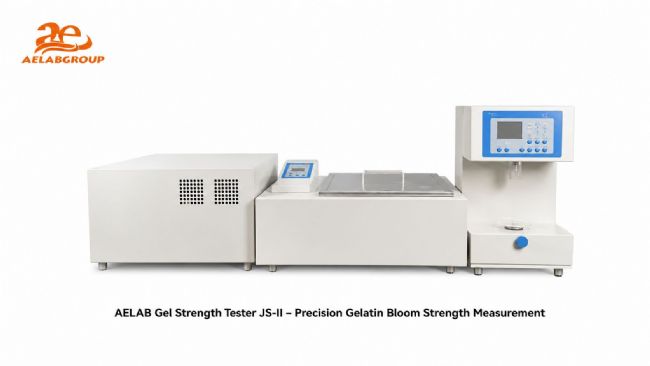
Factors That Can Affect Gel Strength Results
Important Features of a Laboratory Gel Strength Tester
Why Choose AELAB Gel Strength Testing Solutions?
Information to Provide When Requesting a Quotation
To receive a suitable recommendation, customers should provide as much information as possible about their samples and laboratory procedure.
About AELAB
AELAB is a laboratory equipment brand and supplier based in Guangzhou, China. AELAB provides laboratory instruments, analytical equipment and quality-control solutions for distributors, universities, research institutes and industrial customers worldwide.
The AELAB product portfolio covers pharmaceutical testing instruments, analytical equipment, laboratory equipment, environmental testing systems, sample-preparation instruments and application-specific laboratory solutions.
Official website: www.aelabgroup.com
Frequently Asked Questions
What does a gel strength tester measure?
It measures the force required for a probe to penetrate or deform a prepared gel sample under controlled conditions.
What is Bloom strength?
Bloom strength is a commonly used measurement of gelatin firmness. It represents the force required to depress the surface of a standardized gelatin gel using a defined probe and testing procedure.
Which industries require gel strength testing?
Gel strength testing is widely used in gelatin manufacturing, pharmaceuticals, capsule production, food processing, confectionery, cosmetics and scientific research.
Why is sample temperature important?
Gel firmness changes with temperature. Samples must therefore be conditioned and tested at a controlled temperature to achieve comparable and repeatable results.
Can gel strength results vary between laboratories?
Yes. Differences in sample concentration, preparation, temperature, conditioning time, containers, probes and operating procedures can affect the result.
Can AELAB help select a suitable gel strength tester?
Yes. Customers can provide their sample type, expected strength range, testing procedure, accuracy requirements and destination country for technical selection support.
Request Gel Strength Tester Information and Quotation
Tell the AELAB technical sales team about your gelatin type, expected Bloom range, sample-preparation method, required accuracy and laboratory workflow.
The technical proposal can include a suitable instrument configuration, specifications, available accessories, delivery time, export packaging and shipping information.
View AELAB Gel Strength Tester Category
Email: info@aelabgroup.com
WhatsApp / WeChat: +86 158 0001 6110
Website: www.aelabgroup.com
-
AELAB GUANGZHOU CO., LTD.
AELAB is a laboratory equipment and analytical instrument supplier based in Guangzhou, China. We provide laboratory instruments, quality control equipment, analytical systems, sample preparation equipment, and related laboratory solutions for distributors, industrial laboratories, universities, research organizations, and testing centers worldwide.
AELAB offers both our own-brand products and carefully selected instruments from established manufacturers. OEM and ODM services are available for selected AELAB products, including customized branding, appearance, configuration, power supply, accessories, packaging, and documentation according to customer requirements.
For laboratory projects, distributor orders, government tenders, and complete laboratory setups, our team can provide a one-stop purchasing solution. We assist customers with product selection, technical comparison, quotation preparation, sourcing, quality inspection, export packaging, shipping coordination, and after-sales support.
Our technical team helps customers select suitable equipment based on their application, testing method, required specifications, budget, and local standards. Warranty and technical support are provided according to the product and project requirements.
AELAB operates under an established quality management system. Relevant company and product documentation may include SGS verification, ISO certification, CE, RoHS, FCC, or UL-related documentation, depending on the specific product model and configuration. Customers may contact us to confirm the available certificates before ordering.
Our equipment is widely used in industrial quality control, scientific research, universities, pharmaceutical laboratories, food and agricultural testing, environmental analysis, chemical laboratories, and other professional testing applications.
We are committed to developing long-term cooperation with distributors, laboratories, research institutions, and project contractors. If you are looking for a reliable laboratory equipment supplier with stable service and technical support, please contact AELAB.
Contact AELAB
Website:
https://aelabgroup.com
Email:
info@aelabgroup.com
WhatsApp / WeChat:
+86 15800016110
| Request Information |
| Other Products |
| Related Products |

| Recently viewed products |