 中文
中文


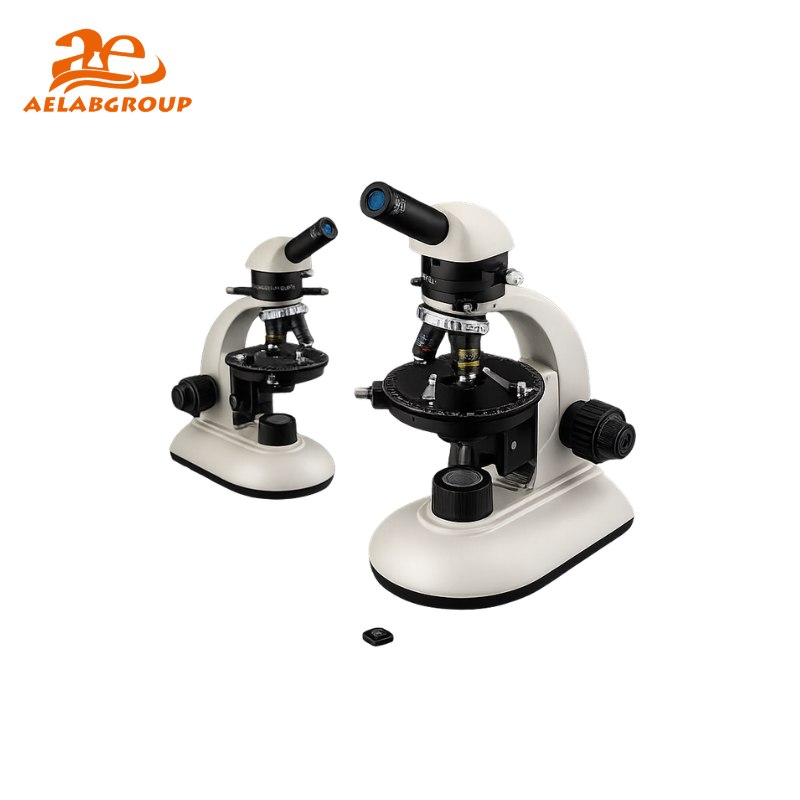
AELAB Laboratory Microscope Series

- Product Detail
- Company Profile
- Biological cell and tissue observation
- Microbiology and microorganism examination
- Clinical and medical laboratory research
- Pathology, histology and cytology studies
- Cell culture monitoring and live-cell observation
- Mineral, crystal and geological sample analysis
- Metal microstructure and metallographic inspection
- Surface defects, coatings and material quality evaluation
- Electronics, printed circuit board and component inspection
- Fiber, polymer and composite material analysis
- Educational demonstrations and university laboratory training
- Industrial assembly, dissection and precision inspection
- Fluorescence imaging of labeled biological specimens
- Digital image documentation and laboratory reporting
- Type of specimen or material to be observed
- Transparent, translucent or opaque sample condition
- Required observation method
- Expected magnification range
- Required objective lenses
- Binocular or trinocular viewing preference
- Need for camera, monitor or computer connection
- Need for image measurement or documentation
- Required working distance
- Routine, educational, research or industrial application
- Required accessories or special configurations
- Destination country and power-supply requirements
- Multiple microscope categories for biological, material and industrial applications
- Solutions for transmitted-light and reflected-light observation
- Biological, fluorescence, polarizing, metallurgical and stereo microscopy options
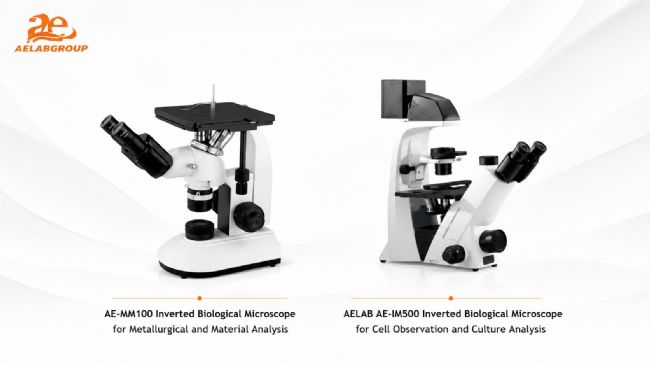
- Inverted microscope systems for cell culture applications
- Digital imaging and documentation configurations according to model
- Different optical heads, objectives and illumination arrangements
- Microscope selection support based on specimen and application
- Technical consultation before quotation and ordering
- International supply, export packaging and shipping support
- Configuration and accessory support according to project requirements
AELAB supplies a comprehensive range of laboratory microscopes and optical imaging systems for biological research, clinical laboratories, universities, material analysis, industrial inspection, metallurgy, electronics, quality control and scientific education.
The available microscope range includes biological microscopes, fluorescence microscopes, polarizing microscopes, metallurgical microscopes, stereo zoom microscopes, inverted biological microscopes and digital imaging systems. Different optical configurations, observation methods, magnification ranges and imaging options are available according to the application.
Laboratories can compare AELAB microscope families according to specimen type, required magnification, illumination method, optical contrast, imaging requirements, working distance and laboratory workflow.
Compare biological, fluorescence, polarizing, metallurgical, stereo zoom, inverted and digital microscopy solutions available from AELAB.
Available Laboratory Microscope Types
| Microscope Type | Typical Use |
|---|---|
| Biological Microscope | Routine observation of cells, tissues, microorganisms, prepared slides and biological specimens in research, education and laboratory analysis. |
| Fluorescence Microscope | Fluorescence-based observation of labeled cells, tissues, microorganisms and biological structures for research and advanced laboratory analysis. |
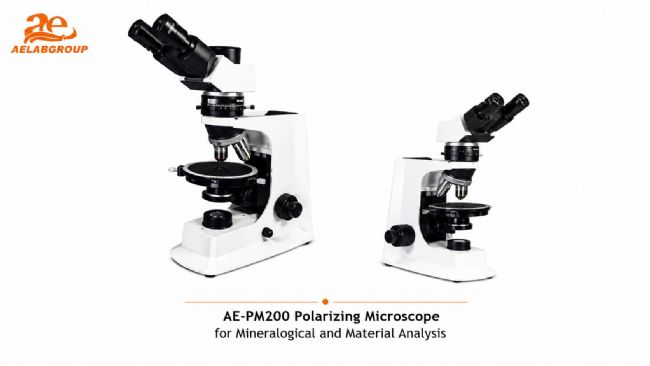
| Polarizing Microscope | Examination of birefringent materials, minerals, crystals, fibers, polymers and other samples with polarization-dependent optical properties. |
| Metallurgical Microscope | Reflected-light inspection of metals, alloys, coatings, electronic components, polished surfaces and opaque industrial materials. |
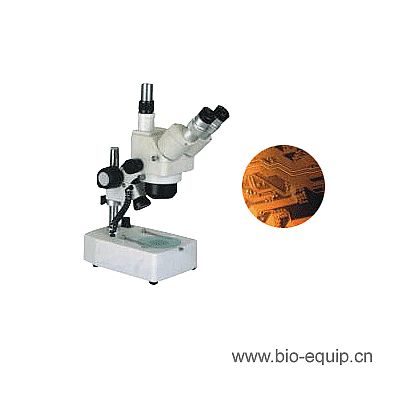
| Stereo Zoom Microscope | Three-dimensional observation, inspection, assembly and dissection of larger samples requiring a practical working distance. |
| Inverted Biological Microscope | Observation of cell cultures, living cells and samples contained in culture vessels, flasks, dishes or multi-well plates. |
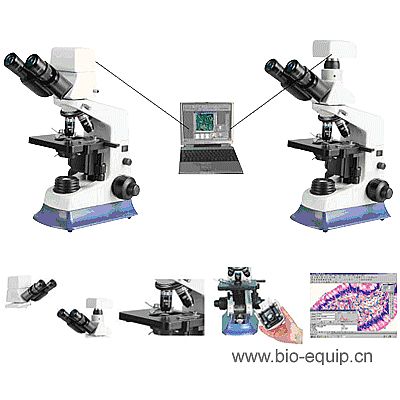
| Digital Microscope and Imaging System | Digital image capture, documentation, measurement, teaching, reporting and computer-assisted inspection of laboratory samples. |
Typical Microscope Applications
How to Select the Right Laboratory Microscope
Selecting a microscope should not be based only on total magnification. The specimen type, illumination method, contrast technique, optical quality, working distance, observation mode, camera requirements and intended laboratory application should also be considered.
A microscope designed for transparent biological slides may not be suitable for opaque metals, large industrial components or living cells inside culture vessels. Defining the sample and observation objective before selection helps identify the most suitable microscope family and configuration.
| Selection Factor | Questions to Consider |
|---|---|
| Specimen Type | Will the microscope be used for transparent slides, living cells, metals, minerals, electronic components, fibers or larger three-dimensional samples? |
| Observation Method | Does the application require transmitted light, reflected light, fluorescence, polarization, brightfield, darkfield or phase-contrast observation? |
| Required Magnification | What level of detail must be observed, and which objective lenses are appropriate for the specimen and analytical task? |
| Optical Configuration | Is a monocular, binocular or trinocular viewing head required for routine observation, operator comfort or camera connection? |
| Working Distance | Does the user need additional space between the objective and sample for manipulation, dissection, repair or assembly? |
| Sample Position | Will the specimen be placed on a conventional microscope stage, or observed inside a culture dish, flask or other laboratory vessel? |
| Digital Imaging | Is image capture, video recording, measurement, annotation or connection to a computer and display required? |
| Mechanical Stage | Does the application require precise X–Y sample movement, slide positioning or repeatable examination of selected areas? |
| Illumination System | What light source and intensity control are suitable for the specimen, observation technique and expected operating time? |
| Routine or Advanced Use | Is the microscope intended for routine laboratory work, education, industrial quality control or advanced scientific research? |
AELAB Laboratory Microscope Families
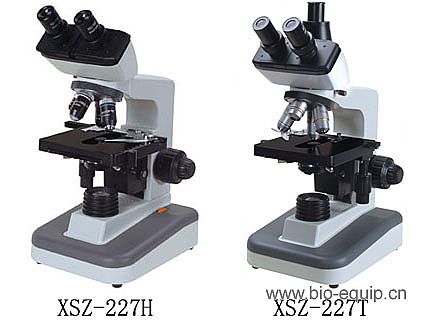
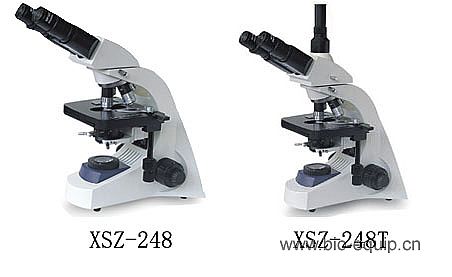
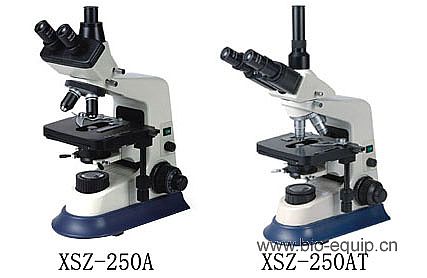
Suitable for routine observation of biological slides, cells, tissues and microorganisms in educational, clinical, research and general laboratory environments. Different optical and viewing configurations are available according to the required application.
Developed for fluorescence-based observation of labeled biological structures, cells, tissues and microorganisms. These systems are suitable for research laboratories requiring specialized illumination and fluorescence imaging capability.
Designed for optical analysis of anisotropic and birefringent materials such as minerals, crystals, fibers, polymers and selected industrial materials using polarized-light observation.
Used for examining polished metals, alloys, coatings, surfaces, electronic components and other opaque specimens. Reflected-light configurations support metallographic inspection and industrial material analysis.
Provides low-to-medium magnification with a three-dimensional view and practical working distance. Suitable for dissection, assembly, electronics inspection, biological samples and industrial quality control.
Configured for observing cells and biological samples from below the specimen vessel. These microscopes are commonly selected for cell culture laboratories and applications involving dishes, flasks and culture plates.
Suitable for laboratories requiring image display, digital documentation, measurement, teaching and inspection. Available configurations may support cameras, monitors or computer-based imaging workflows depending on the selected system.
View the complete AELAB microscope range, available categories and technical specifications
Information Required for Microscope Recommendation
Providing complete application information helps the AELAB technical team identify a suitable microscope family and configuration. The following details are useful when requesting a recommendation:
Why Choose AELAB Laboratory Microscopes?
AELAB is a laboratory equipment brand and supplier based in Guangzhou, China. AELAB provides laboratory instruments, analytical systems and quality-control solutions for distributors, universities, research institutions, medical laboratories and industrial customers worldwide.
The AELAB product portfolio includes laboratory microscopes, weighing instruments, analytical equipment, environmental testing systems, pharmaceutical testing instruments, sample preparation equipment and other laboratory solutions.
Official website: www.aelabgroup.com
Frequently Asked Questions
AELAB supplies biological, fluorescence, polarizing, metallurgical, stereo zoom, inverted biological and digital microscope solutions for laboratory, educational, research and industrial applications.
A biological microscope is generally used with transparent specimens and transmitted illumination. A metallurgical microscope is intended for opaque surfaces such as metals, coatings and electronic components and normally uses reflected illumination.
An inverted microscope is recommended when cells or other biological samples must be observed inside culture dishes, flasks or multi-well plates. The objectives are positioned below the specimen vessel.
A stereo zoom microscope provides a three-dimensional view, continuous or stepped magnification and a larger working distance, making it useful for dissection, assembly and inspection of larger samples.
A trinocular viewing head is commonly selected when a dedicated camera connection is required while maintaining convenient visual observation through the eyepieces.
Selected microscope configurations can support compatible digital cameras and imaging systems for image display, capture, documentation and measurement. The required interface should be confirmed before ordering.
Yes. Send information about the specimen, observation method, required magnification, optical configuration, imaging requirements, application and destination country. The AELAB team can then recommend suitable microscope categories and prepare a quotation.
Tell the AELAB technical sales team what type of sample you need to observe, the required magnification, observation method, optical-head preference, digital imaging requirements and intended application.
A suitable proposal can include recommended microscope categories, available configurations, technical specifications, compatible accessories, estimated delivery time, packaging and shipping information.
View AELAB Laboratory Microscopes
Email: info@aelabgroup.com
WhatsApp / WeChat: +86 158 0001 6110
Website: www.aelabgroup.com
-
AELAB GUANGZHOU CO., LTD.
AELAB is a laboratory equipment and analytical instrument supplier based in Guangzhou, China. We provide laboratory instruments, quality control equipment, analytical systems, sample preparation equipment, and related laboratory solutions for distributors, industrial laboratories, universities, research organizations, and testing centers worldwide.
AELAB offers both our own-brand products and carefully selected instruments from established manufacturers. OEM and ODM services are available for selected AELAB products, including customized branding, appearance, configuration, power supply, accessories, packaging, and documentation according to customer requirements.
For laboratory projects, distributor orders, government tenders, and complete laboratory setups, our team can provide a one-stop purchasing solution. We assist customers with product selection, technical comparison, quotation preparation, sourcing, quality inspection, export packaging, shipping coordination, and after-sales support.
Our technical team helps customers select suitable equipment based on their application, testing method, required specifications, budget, and local standards. Warranty and technical support are provided according to the product and project requirements.
AELAB operates under an established quality management system. Relevant company and product documentation may include SGS verification, ISO certification, CE, RoHS, FCC, or UL-related documentation, depending on the specific product model and configuration. Customers may contact us to confirm the available certificates before ordering.
Our equipment is widely used in industrial quality control, scientific research, universities, pharmaceutical laboratories, food and agricultural testing, environmental analysis, chemical laboratories, and other professional testing applications.
We are committed to developing long-term cooperation with distributors, laboratories, research institutions, and project contractors. If you are looking for a reliable laboratory equipment supplier with stable service and technical support, please contact AELAB.
Contact AELAB
Website:
https://aelabgroup.com
Email:
info@aelabgroup.com
WhatsApp / WeChat:
+86 15800016110
| Request Information |
| Other Products |
| Related Products |
| Recently viewed products |