 中文
中文


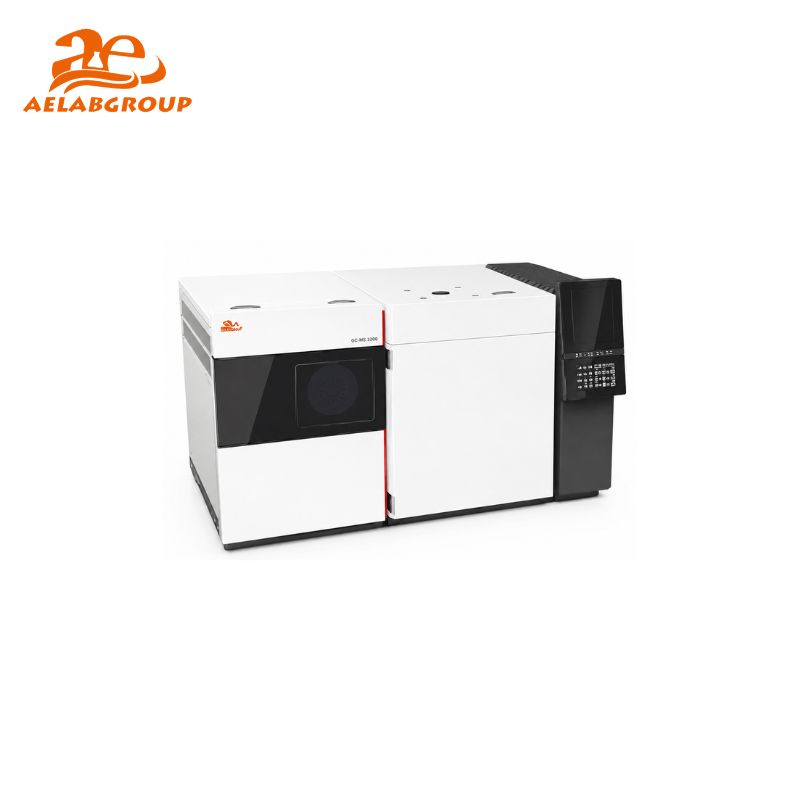
AELAB Gas Chromatography Systems – GC, GC-MS & Multi-Detector Series

- Product Detail
- Company Profile
- Environmental analysis of volatile and semi-volatile organic compounds
- Food safety, flavour, fragrance and residue testing
- Pharmaceutical raw-material and finished-product analysis
- Petrochemical, fuel, oil and hydrocarbon analysis
- Industrial chemical quality control
- Pesticide and contaminant screening
- Forensic and toxicological laboratory analysis
- Polymer, coating, solvent and material testing
- Research and method-development laboratories
- Identification and quantification of compounds in complex mixtures
- Target compounds or analyte list
- Sample type and sample matrix
- Expected concentration range
- Required detection limit
- Applicable testing method or standard
- Preferred detector or analytical technique
- Manual or automatic sample introduction
- Estimated number of samples per day
- Required software and reporting functions
- Available laboratory gases and power supply
- Destination country and delivery requirements
- GC and GC-MS solutions for routine and advanced analytical laboratories
- Different detector and system configurations according to application requirements
- Solutions for qualitative and quantitative chemical analysis
- Options suitable for research, industrial testing and quality-control laboratories
- Chromatography software and data-processing capabilities according to configuration
- Supporting gas-supply solutions for compatible laboratory workflows
- Technical assistance for system and detector selection
- International quotation, export packaging and shipping support
AELAB Gas Chromatography and GC-MS Analytical Solutions
AELAB supplies gas chromatography instruments and gas chromatography–mass spectrometry systems for the separation, detection, identification and quantitative analysis of volatile and semi-volatile compounds in laboratory samples.
The available product range supports routine quality control, research analysis, environmental monitoring, food safety testing, pharmaceutical analysis, petrochemical testing, forensic investigation and other applications requiring dependable chromatographic performance.
Laboratories can compare available AELAB GC and GC-MS systems according to analytical objectives, sample characteristics, detector requirements, sensitivity, column configuration, injection method, software functions and laboratory workflow.
Explore AELAB Gas Chromatography and GC-MS Systems
Review available GC, GC-MS and supporting laboratory gas-supply solutions for analytical and quality-control applications.
Available Gas Chromatography System Types
| System Type | Typical Function |
|---|---|
| Laboratory Gas Chromatograph | Separates and measures compounds that can be vaporized and transported through a chromatographic column. |
| Multi-Detector GC System | Supports different detector configurations for analysing a broader range of chemical compounds and sample types. |
| FID Gas Chromatograph | Commonly selected for sensitive measurement of many organic compounds and hydrocarbons. |
| Temperature-Programmed GC System | Provides controlled column-oven temperature changes for improved separation of mixtures containing compounds with different boiling ranges. |
| Quadrupole GC-MS System | Combines chromatographic separation with mass-based compound identification and quantitative analysis. |
| Laboratory Gas Generator | Provides a dedicated gas-supply solution for compatible chromatography workflows, depending on the required system configuration. |
GC and GC-MS: Which Technology Is Required?
Gas Chromatography
GC is generally used when the laboratory needs to separate and quantify compounds using an appropriate chromatographic detector. Detector selection depends on the analytes, required sensitivity and testing method.
Gas Chromatography–Mass Spectrometry
GC-MS is selected when chromatographic separation must be combined with mass-spectral information for more confident compound identification, confirmation and trace-level analysis.
Typical Applications
General Analytical Workflow
1. Sample Preparation
The sample is prepared, diluted, extracted or treated according to the analytical method.
2. Sample Introduction
A controlled quantity of sample is introduced into the chromatographic inlet manually or through an autosampling system.
3. Chromatographic Separation
The carrier gas transports vaporized compounds through the analytical column, where separation occurs.
4. Compound Detection
Separated compounds are measured by the selected GC detector or transferred to the mass spectrometer.
5. Data Processing
Chromatographic peaks and, where applicable, mass spectra are evaluated for qualitative or quantitative reporting.
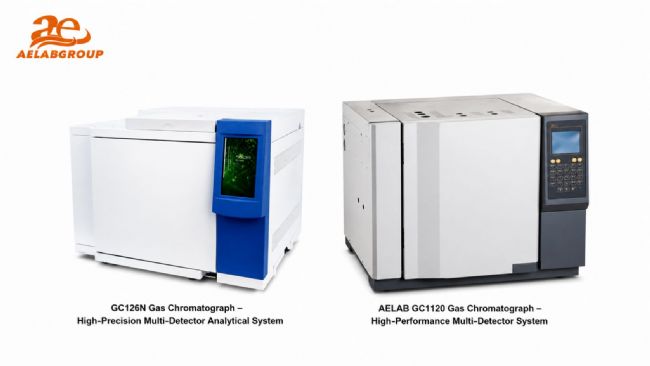
How to Select the Right GC or GC-MS System
The correct configuration should be selected according to the target compounds and analytical method rather than instrument appearance alone. Laboratories should define their sample matrix, expected concentration range, detector needs, throughput and reporting requirements before requesting a quotation.
| Selection Factor | Questions to Consider |
|---|---|
| Target Compounds | Which volatile or semi-volatile compounds must be separated, detected or identified? |
| Required Analysis | Is routine quantification sufficient, or is mass-spectral confirmation also required? |
| Detector Configuration | Which detector type is compatible with the analytes and required detection limits? |
| Sensitivity | What concentration range and detection limit must the method achieve? |
| Column Requirements | Will the application use capillary columns, packed columns or a specific stationary phase? |
| Injection Method | Is manual injection acceptable, or is an autosampler required for repetitive testing? |
| Temperature Programming | What oven-temperature range, heating programme and cooling performance are needed? |
| Carrier and Detector Gases | Which gases, purity levels, regulators and gas-generation systems are required? |
| Software and Reporting | Does the laboratory require method control, library searching, quantitative reporting or data-export functions? |
| Sample Throughput | How many samples must be processed during each working day or analytical batch? |
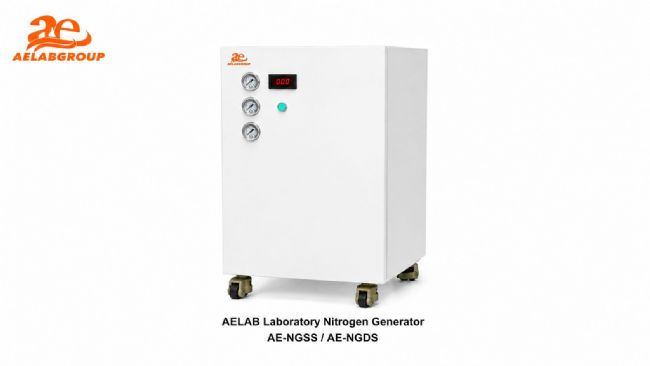
Important Configuration Areas
Chromatographic Inlet
The injection system should match the sample state, concentration level, column type and required analytical method.
Column Oven
Temperature range, programming capability, heating speed, cooling time and thermal stability influence separation efficiency and laboratory throughput.
Detector or Mass Analyzer
The detection technology determines which compounds can be measured and whether the system provides selective detection, general quantification or mass-based identification.
Gas-Control System
Stable pressure, controlled flow and suitable gas purity are essential for reproducible retention times and detector performance.
Data System
Software should support instrument control, chromatogram processing, method management, calibration, reporting and other functions required by the laboratory.
Information to Provide Before Requesting a Configuration
Providing clear analytical requirements helps the AELAB team recommend a more suitable GC or GC-MS configuration.
Why Choose AELAB Chromatography Solutions?
About AELAB
AELAB is a laboratory equipment brand and supplier based in Guangzhou, China. The company supplies analytical instruments, general laboratory equipment and quality-control solutions to distributors, universities, research organisations and industrial laboratories.
The AELAB product portfolio includes chromatography systems, spectroscopy instruments, environmental testing equipment, pharmaceutical testing instruments, sample-preparation equipment and other laboratory solutions.
Official website: www.aelabgroup.com
Frequently Asked Questions
What is the main difference between GC and GC-MS?
GC separates compounds and measures them using a selected detector. GC-MS adds mass-spectral analysis, providing additional information for compound identification and confirmation.
Which samples can be analysed by gas chromatography?
GC is generally suitable for compounds that are naturally volatile or can be vaporized without unacceptable decomposition under the selected analytical conditions.
How should a GC detector be selected?
Detector selection depends on the target compounds, sample matrix, required selectivity, concentration range, sensitivity and applicable analytical method.
Is an autosampler required?
An autosampler is useful for laboratories processing repeated sample batches, requiring consistent injection volumes or aiming to reduce manual operation.
Does the GC system require laboratory gases?
Yes. The required gases depend on the carrier-gas selection, detector configuration and analytical method. Gas purity, pressure control and safe installation should be considered during system planning.
Can AELAB recommend a complete GC or GC-MS configuration?
Yes. Customers can provide their analytes, samples, analytical method, concentration range, detector preference and throughput requirements for configuration review and quotation.
Request GC or GC-MS Configuration, Price and Technical Proposal
Tell the AELAB technical sales team about your target compounds, sample matrix, required detection limit, analytical method, preferred detector, sample throughput and software requirements.
The technical proposal may include suitable system configurations, specifications, detector options, accessories, gas-supply requirements, delivery time, packaging and shipping information.
View AELAB GC and GC-MS Category
Email: info@aelabgroup.com
WhatsApp / WeChat: +86 158 0001 6110
Website: www.aelabgroup.com
-
AELAB GUANGZHOU CO., LTD.
AELAB is a laboratory equipment and analytical instrument supplier based in Guangzhou, China. We provide laboratory instruments, quality control equipment, analytical systems, sample preparation equipment, and related laboratory solutions for distributors, industrial laboratories, universities, research organizations, and testing centers worldwide.
AELAB offers both our own-brand products and carefully selected instruments from established manufacturers. OEM and ODM services are available for selected AELAB products, including customized branding, appearance, configuration, power supply, accessories, packaging, and documentation according to customer requirements.
For laboratory projects, distributor orders, government tenders, and complete laboratory setups, our team can provide a one-stop purchasing solution. We assist customers with product selection, technical comparison, quotation preparation, sourcing, quality inspection, export packaging, shipping coordination, and after-sales support.
Our technical team helps customers select suitable equipment based on their application, testing method, required specifications, budget, and local standards. Warranty and technical support are provided according to the product and project requirements.
AELAB operates under an established quality management system. Relevant company and product documentation may include SGS verification, ISO certification, CE, RoHS, FCC, or UL-related documentation, depending on the specific product model and configuration. Customers may contact us to confirm the available certificates before ordering.
Our equipment is widely used in industrial quality control, scientific research, universities, pharmaceutical laboratories, food and agricultural testing, environmental analysis, chemical laboratories, and other professional testing applications.
We are committed to developing long-term cooperation with distributors, laboratories, research institutions, and project contractors. If you are looking for a reliable laboratory equipment supplier with stable service and technical support, please contact AELAB.
Contact AELAB
Website:
https://aelabgroup.com
Email:
info@aelabgroup.com
WhatsApp / WeChat:
+86 15800016110
| Request Information |
| Other Products |
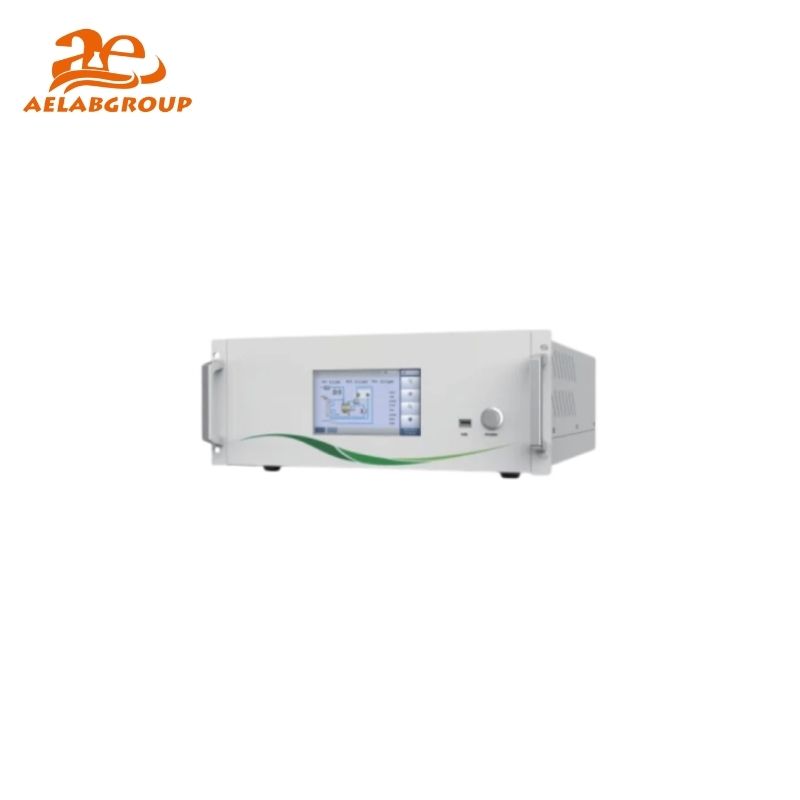
| Related Products |
| Recently viewed products |