中文
中文


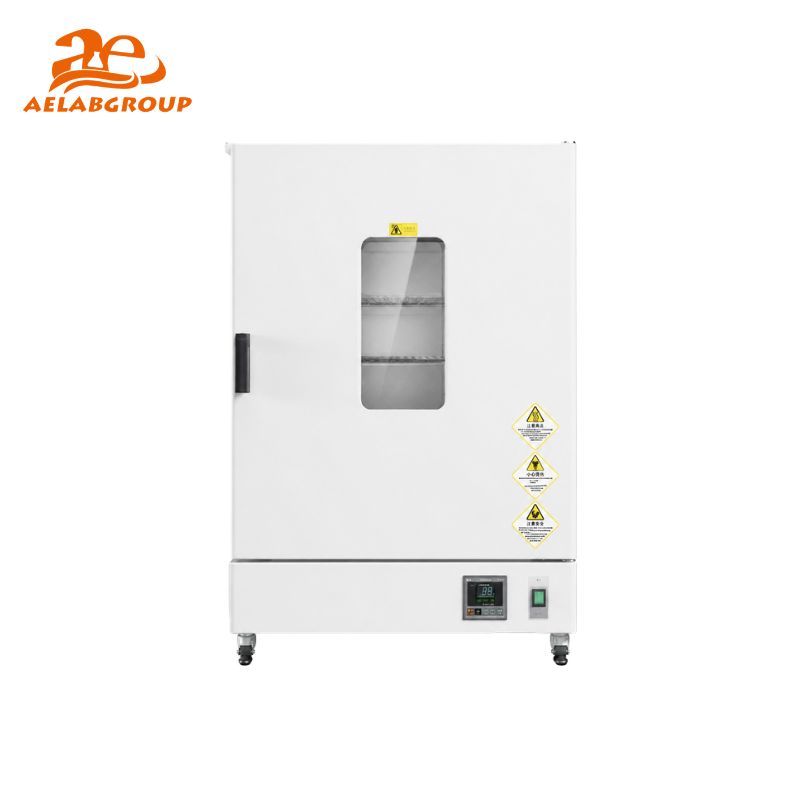
AELAB Laboratory Drying Ovens – Dry Oven, Vacuum Oven, Forced Air & High Temperature Series

- Product Detail
- Company Profile
- Drying laboratory glassware, containers and suitable instruments
- Removal of moisture from powders, granules, solids and prepared samples
- Pharmaceutical sample preparation and quality-control procedures
- Drying soil, plant, feed and environmental laboratory samples
- Heating and conditioning materials before analytical testing
- Drying filters, residues and precipitates after laboratory separation
- Material curing and controlled thermal treatment
- Moisture removal before weighing or instrumental analysis
- Drying heat-sensitive materials under reduced pressure
- Processing oxidation-sensitive samples in a low-pressure environment
- Research, university and industrial laboratory heating procedures
- Production quality control and small-batch material processing
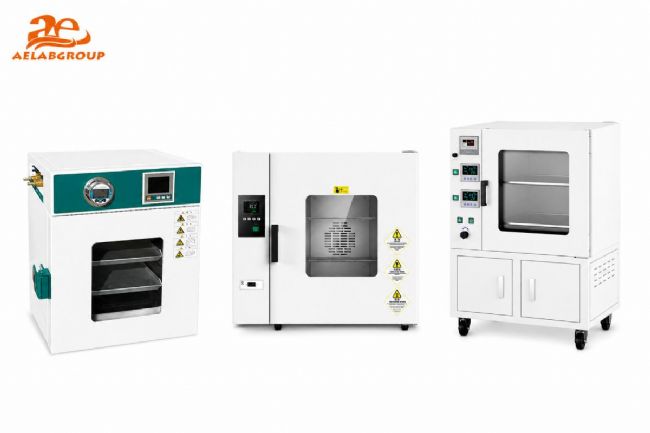
- Multiple oven configurations for atmospheric and reduced-pressure drying
- Forced-air, natural-convection and horizontal-airflow options
- Different chamber volumes for small, medium and larger sample loads
- Digital and analogue vacuum oven configurations
- Constant-temperature and high-temperature drying solutions
- Models for routine drying, thermal conditioning and specialized applications
- Stainless-steel chamber configurations depending on the selected series
- Temperature controllers, timers and safety functions according to model
- Technical model-selection assistance before quotation
- International supply, export packaging and shipping support
AELAB Laboratory Dry Oven and Vacuum Oven Solutions
AELAB provides a diverse selection of laboratory dry ovens, vacuum drying ovens and controlled-heating systems for research laboratories, universities, pharmaceutical facilities, industrial quality-control departments, material-testing laboratories and production environments.
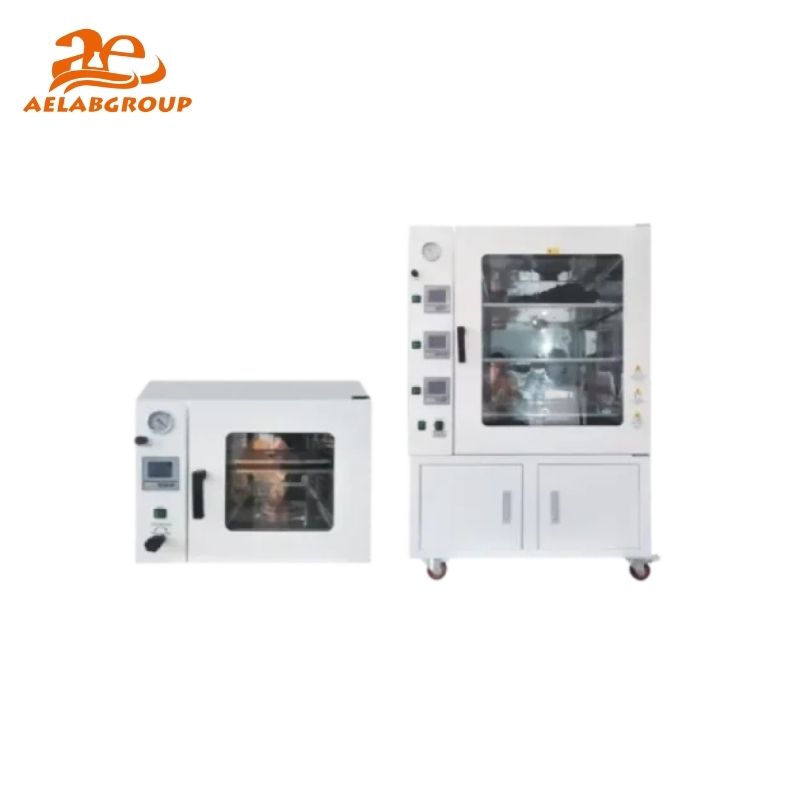
The available product range includes forced-air drying ovens, natural-convection ovens, constant-temperature drying ovens, horizontal drying ovens, high-temperature ovens, far-infrared drying ovens, digital vacuum ovens, analogue vacuum ovens and combined drying and sterilizing systems.
Users can compare AELAB oven models according to the required drying method, temperature range, chamber volume, airflow system, vacuum level, sample sensitivity, heating uniformity and laboratory workflow.
Explore AELAB Dry Oven and Vacuum Oven Models
Compare laboratory drying ovens, vacuum ovens, forced-air ovens, high-temperature ovens and specialized heating systems available from AELAB.
Available Laboratory Oven Types
| Oven Type | Typical Use |
|---|---|
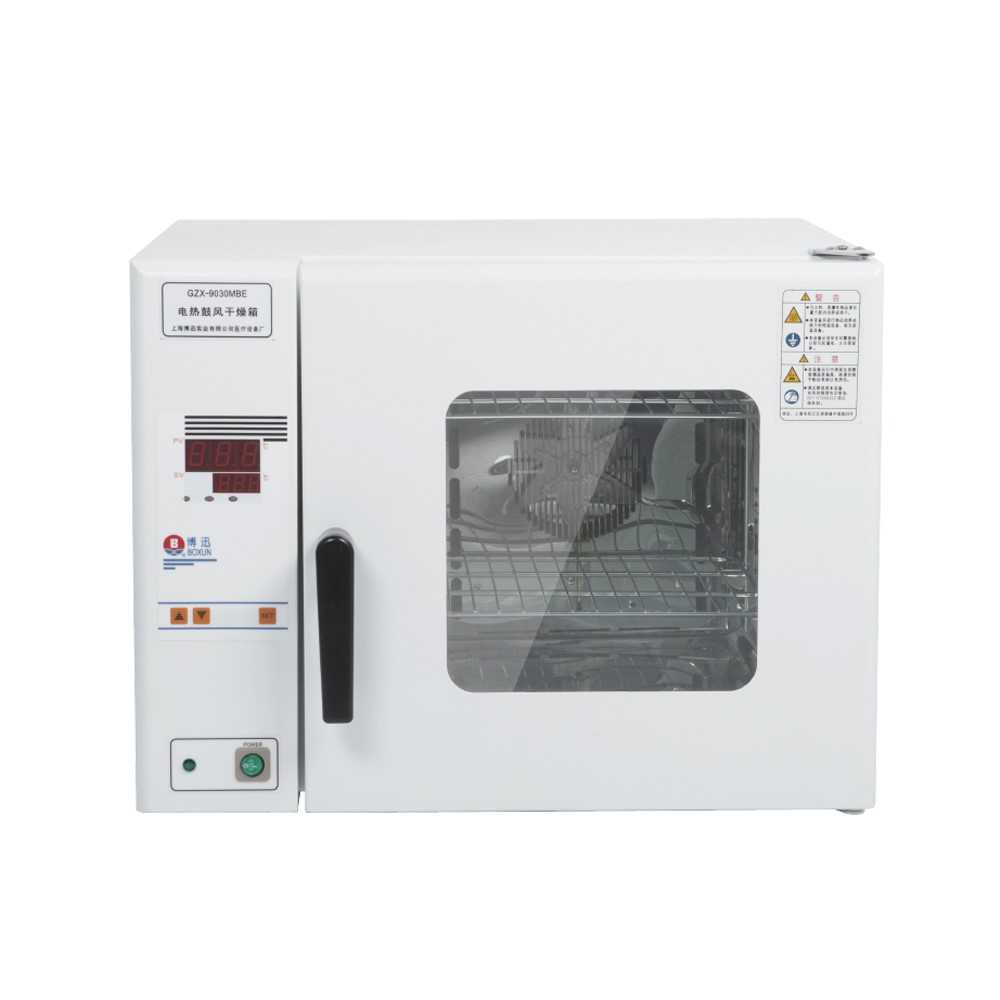
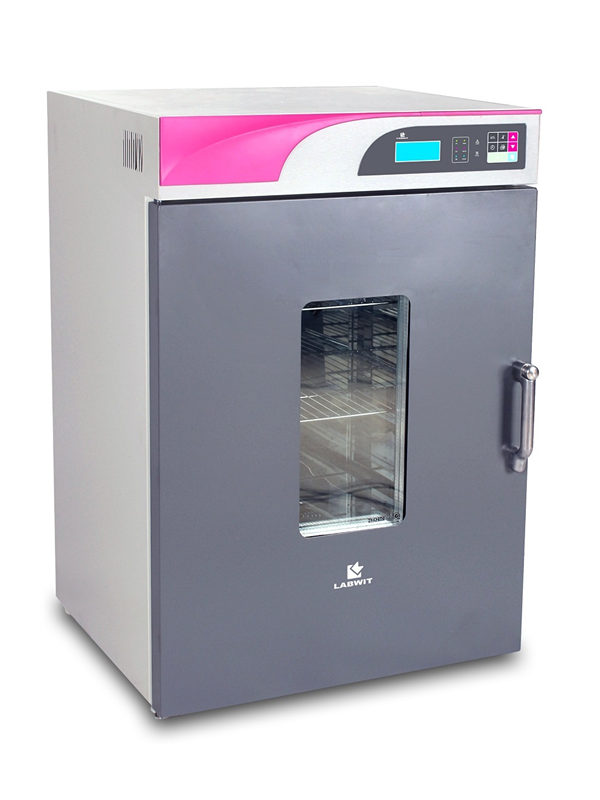
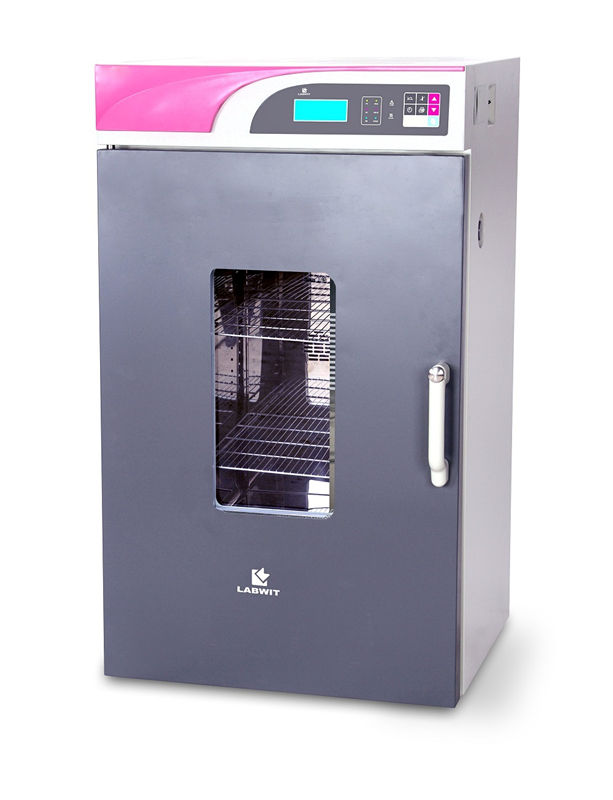
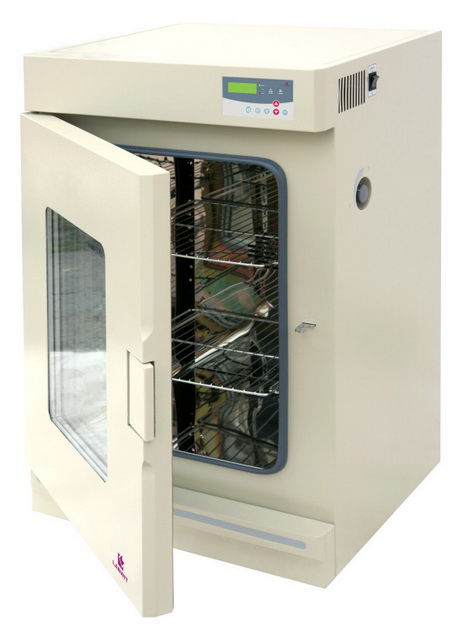
| Forced-Air Drying Oven | Uses circulated heated air to provide efficient and comparatively uniform drying for laboratory samples, materials, glassware and industrial components. |
| Natural-Convection Drying Oven | Provides controlled atmospheric-pressure heating without strong mechanically generated airflow, making it suitable for routine drying and thermal conditioning. |
| Constant-Temperature Drying Oven | Maintains a controlled chamber temperature for drying, heating, conditioning and temperature-treatment procedures. |
| Horizontal Drying Oven | Uses a horizontal airflow arrangement to improve chamber space utilization and heat distribution during batch drying. |
| Vacuum Drying Oven | Dries samples under reduced pressure, enabling moisture or solvent removal at lower temperatures than conventional atmospheric drying. |
| Digital Vacuum Oven | Combines reduced-pressure drying with digital temperature and vacuum monitoring for controlled laboratory and industrial processes. |
| High-Temperature Drying Oven | Designed for drying, heating and thermal treatment applications requiring higher operating temperatures. |
| Far-Infrared Drying Oven | Uses infrared heating to support rapid thermal transfer and drying of suitable laboratory or industrial materials. |
| Drying and Sterilizing Oven | Supports controlled heating for drying glassware and suitable instruments, as well as dry-heat treatment where required by the laboratory procedure. |
Dry Oven vs. Vacuum Oven
| Comparison | Dry Oven | Vacuum Oven |
|---|---|---|
| Operating Pressure | Atmospheric pressure | Reduced-pressure environment |
| Heat Transfer | Natural or forced-air convection | Heated chamber combined with vacuum |
| Suitable Samples | Routine laboratory materials, glassware and samples suitable for atmospheric heating | Heat-sensitive, oxidation-sensitive or moisture-containing materials that require gentler drying |
| Drying Temperature | Selected according to the material and oven temperature range | Can support drying at lower temperatures by reducing chamber pressure |
| Additional Equipment | Normally does not require an external vacuum source | A compatible vacuum pump and vacuum accessories may be required |
Typical Applications
How to Select the Right Drying Oven or Vacuum Oven
Selecting an oven should not be based only on maximum temperature. The drying method, sample characteristics, required chamber size, temperature uniformity, pressure conditions, airflow pattern and safety requirements should also be evaluated before choosing a model.
| Selection Factor | Questions to Consider |
|---|---|
| Oven Configuration | Does the application require atmospheric drying, forced convection, natural convection or vacuum drying? |
| Sample Characteristics | Is the material heat-sensitive, oxidation-sensitive, moisture-rich, powdered, solvent-containing or suitable for conventional heating? |
| Temperature Range | What minimum and maximum operating temperatures are required by the procedure? |
| Temperature Uniformity | How consistent must the temperature be throughout the usable chamber space? |
| Chamber Capacity | What sample quantity, tray dimensions and batch volume must the oven accommodate? |
| Airflow Method | Would forced-air circulation improve drying speed, or is natural convection more appropriate for the samples? |
| Vacuum Requirement | What vacuum level is required, and is a compatible vacuum pump already available? |
| Controller and Timer | Are digital temperature control, programmable operation, timed operation or automatic stopping functions required? |
| Chamber Material | Does the application require a corrosion-resistant stainless-steel chamber and removable or adjustable shelves? |
| Safety Protection | Are overtemperature protection, alarms, leakage protection or independent temperature-limiting systems required? |
| Data and Documentation | Does the laboratory require data communication, printing, monitoring or supporting technical documentation? |
Representative AELAB Dry Oven and Vacuum Oven Families
AELAB DZ and DZ-BC Vacuum Drying Oven Series
Vacuum drying systems developed for controlled moisture removal and laboratory drying under reduced-pressure conditions.
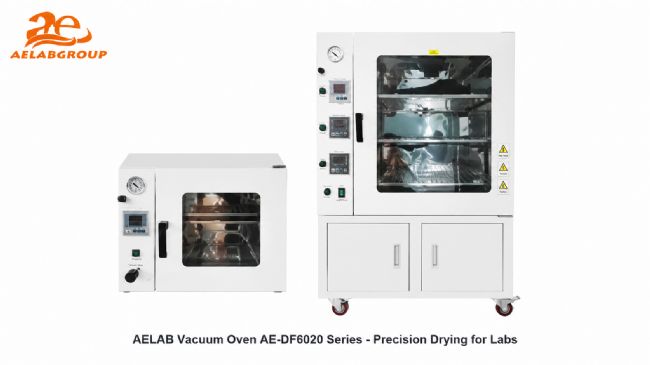
AELAB AE-DF Analogue Vacuum Oven Series
Laboratory vacuum ovens designed for reduced-pressure drying with an analogue-display configuration.
AELAB AE-HZ Digital Vacuum Oven Series
Digital vacuum ovens for controlled low-pressure drying, including models with different chamber volumes and operating capacities.
AELAB A/AB Horizontal Drying Oven Series
Horizontal-airflow ovens available in forced-convection and natural-convection configurations for laboratory and industrial drying applications.
AELAB F Series Horizontal Drying Ovens
Designed for drying larger or denser sample loads where chamber utilization and temperature distribution are important selection considerations.
AELAB LDO Forced-Air and Constant-Temperature Oven Series
Controlled drying ovens intended for routine laboratory heating, drying, conditioning and industrial quality-control procedures.
AELAB LHO High-Temperature Drying Oven Series
Heating systems developed for laboratory processes that require higher operating temperatures than conventional general-purpose ovens.
AELAB LIO and AE-300 Far-Infrared Oven Series
Far-infrared drying solutions for suitable materials requiring efficient heat transfer and accelerated drying.
AELAB FDS Portable Drying and Sterilizing Oven Series
Compact drying and heating systems for laboratories requiring a portable or space-efficient configuration.
AELAB PH Drying and Cultivating Oven Series
Dual-purpose controlled-temperature systems intended for compatible drying and cultivating laboratory procedures.
Why Choose AELAB Dry Ovens and Vacuum Ovens?
Important Operating Considerations
The selected oven must be compatible with the physical and chemical properties of the sample. Users should verify whether the material is suitable for heating, whether vapours may be generated and whether vacuum drying is required.
Vacuum ovens should be used with compatible vacuum equipment, connections and operating procedures. Chamber loading should allow adequate heat transfer, and temperature sensors, door seals and vacuum seals should be checked periodically.
Samples that may generate flammable, explosive, corrosive or hazardous vapours require a risk assessment and equipment specifically approved for that application. A standard laboratory oven should not automatically be assumed suitable.
About AELAB
AELAB is a laboratory equipment brand and supplier based in Guangzhou, China. The company provides laboratory instruments, analytical systems, thermostatic equipment and quality-control solutions for distributors, universities, research institutions and industrial customers.
The AELAB portfolio includes drying ovens, vacuum ovens, laboratory heating equipment, analytical instruments, environmental testing systems, pharmaceutical testing equipment and general laboratory solutions.
Official website: www.aelabgroup.com
Frequently Asked Questions
What is the main difference between a dry oven and a vacuum oven?
A dry oven heats samples at atmospheric pressure using natural or forced-air convection. A vacuum oven operates under reduced pressure, allowing compatible materials to be dried at lower temperatures.
When should a vacuum oven be selected?
A vacuum oven may be selected for heat-sensitive, oxidation-sensitive or moisture-containing samples that require controlled drying under reduced pressure. Compatibility with the material and generated vapours must always be confirmed.
What is the difference between forced-air and natural-convection drying?
Forced-air ovens use a fan to circulate heated air through the chamber. Natural-convection ovens rely on the natural movement of warm air without mechanically forced circulation.
How should the correct chamber size be selected?
The chamber should accommodate the expected sample quantity and containers without excessive loading. Sufficient open space should remain for heat circulation and consistent drying.
Does a vacuum oven include a vacuum pump?
The required pump configuration depends on the selected oven model and quotation. Users should confirm whether the vacuum pump, connecting accessories and any required filtration components are included or supplied separately.
Can AELAB recommend an oven based on my samples?
Yes. Provide the sample type, required temperature range, desired chamber volume, drying method, vacuum requirement, batch quantity, electrical supply and destination country so that suitable models can be reviewed.
Request Dry Oven or Vacuum Oven Model Recommendation
Tell the AELAB technical sales team about your sample material, required temperature, chamber capacity, drying method, vacuum requirement, heating uniformity and daily sample load. Suitable oven models can then be selected according to the actual laboratory or industrial application.
The quotation may include available models, technical specifications, standard accessories, optional accessories, delivery time, export packaging and shipping information.
View AELAB Dry Oven and Vacuum Oven Models
Email: info@aelabgroup.com
WhatsApp / WeChat: +86 158 0001 6110
Website: www.aelabgroup.com
-
AELAB GUANGZHOU CO., LTD.
AELAB is a laboratory equipment and analytical instrument supplier based in Guangzhou, China. We provide laboratory instruments, quality control equipment, analytical systems, sample preparation equipment, and related laboratory solutions for distributors, industrial laboratories, universities, research organizations, and testing centers worldwide.
AELAB offers both our own-brand products and carefully selected instruments from established manufacturers. OEM and ODM services are available for selected AELAB products, including customized branding, appearance, configuration, power supply, accessories, packaging, and documentation according to customer requirements.
For laboratory projects, distributor orders, government tenders, and complete laboratory setups, our team can provide a one-stop purchasing solution. We assist customers with product selection, technical comparison, quotation preparation, sourcing, quality inspection, export packaging, shipping coordination, and after-sales support.
Our technical team helps customers select suitable equipment based on their application, testing method, required specifications, budget, and local standards. Warranty and technical support are provided according to the product and project requirements.
AELAB operates under an established quality management system. Relevant company and product documentation may include SGS verification, ISO certification, CE, RoHS, FCC, or UL-related documentation, depending on the specific product model and configuration. Customers may contact us to confirm the available certificates before ordering.
Our equipment is widely used in industrial quality control, scientific research, universities, pharmaceutical laboratories, food and agricultural testing, environmental analysis, chemical laboratories, and other professional testing applications.
We are committed to developing long-term cooperation with distributors, laboratories, research institutions, and project contractors. If you are looking for a reliable laboratory equipment supplier with stable service and technical support, please contact AELAB.
Contact AELAB
Website:
https://aelabgroup.com
Email:
info@aelabgroup.com
WhatsApp / WeChat:
+86 15800016110
| Request Information |
| Other Products |
| Related Products |