Introduction:
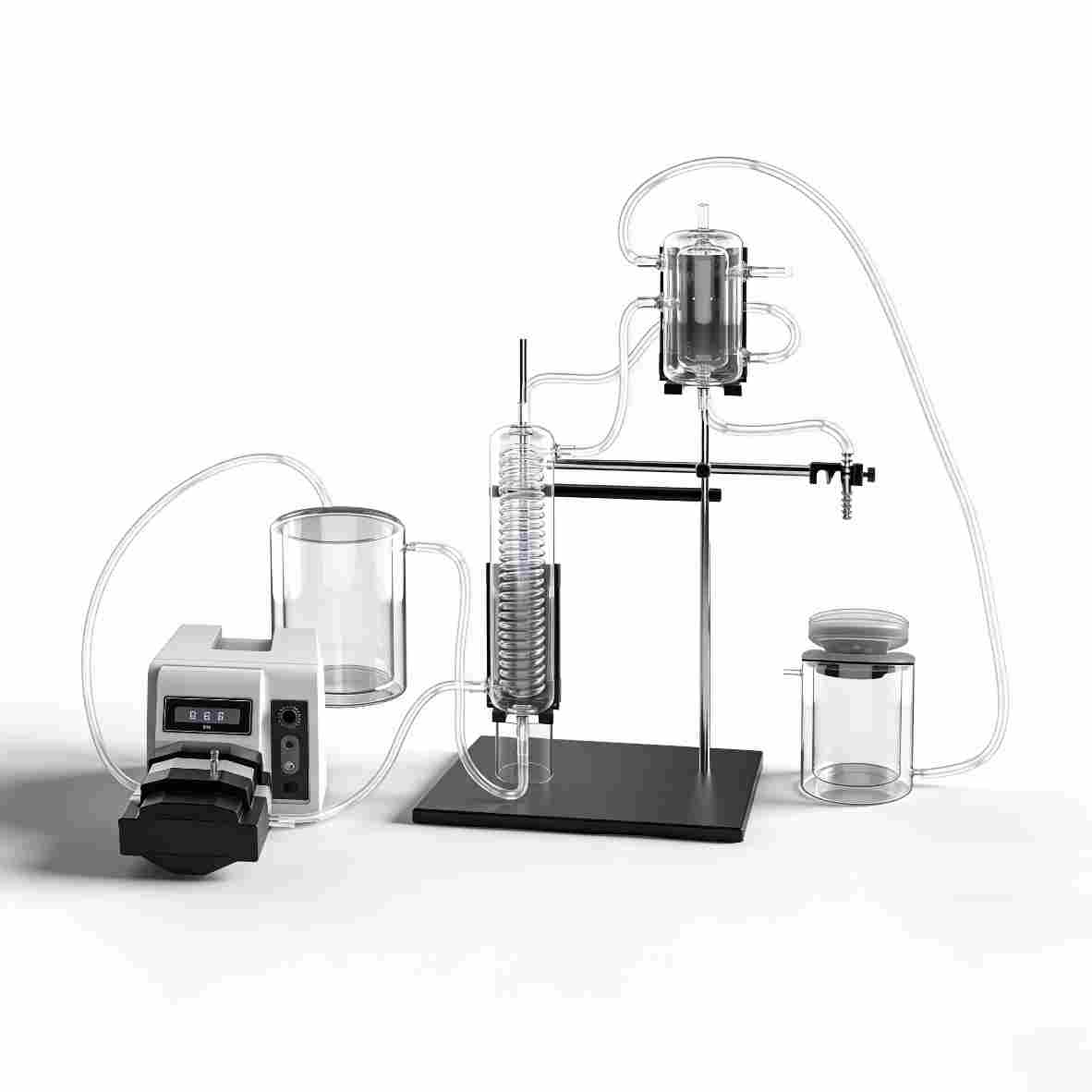
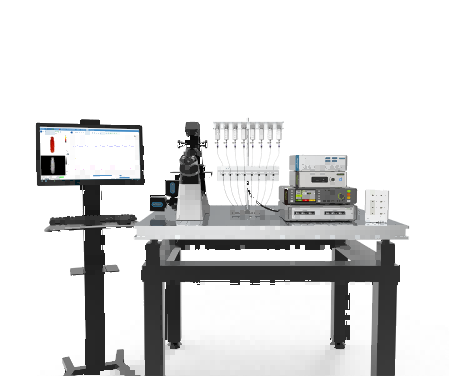
The Isolated Heart Perfusion System (large animal) is specially designed for the hearts of large animals such as pigs, sheep and dogs. It simulates the coronary artery blood supply environment by retrogradely perfusing oxygenated physiological buffer solution (e.g., modified Krebs-Henseleit solution) into the aorta at a constant temperature and flow rate. The system can accurately control key parameters including temperature, perfusion rate, pH value and oxygenation in vitro, maintain the electrophysiological activities and metabolic functions of isolated hearts for an extended period, and provide a stable and reproducible ex vivo model for the research on cardiac physiological and pathological mechanisms as well as drug evaluation.
Core Advantages:
·Highly Controllable Perfusion Environment:Precisely regulate key parameters and eliminate interference factors.
·Long-term Stable Perfusion:Support stable perfusion for 4–6 hours continuously.
·Excellent Physiological Relevance:Preserve the intact cardiac structure, ensuring experimental results are highly consistent with in vivo conditions.
·Real-time Intervention & Evaluation: Instantly observe the impact of intervention measures on cardiac performance.
·Multi-parameter Synchronous Monitoring: Integrate multi-dimensional parameters including electrocardiography (heart rate, QRS duration, QT interval), hemodynamics (left ventricular pressure, aortic flow) and ion concentrations, to conduct a comprehensive assessment of cardiac function.
Applicable Animals:
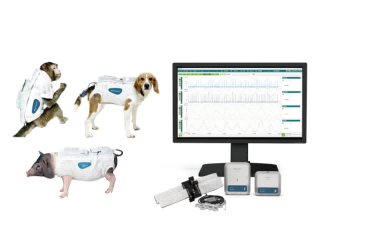
Hearts of large animals such as pigs, sheep and dogs.
Reasons for Choosing the Isolated Heart Perfusion System (Large Animal)
·Eliminate Systemic Interferences
The in vivo heart is affected by multiple factors such as nerves, body fluids, and pulmonary circulation. Isolated perfusion eliminates these interferences, enabling direct observation of the heart’s intrinsic functions and the targeted effects of drugs.
·Controllable Experimental Conditions
Key properties of the artificial perfusate (e.g., modified K-H solution) including pH, temperature, and oxygenation status can be precisely regulated to maintain stable cardiac activity. This avoids confounding factors such as anesthesia and surgical trauma inherent in in vivo experiments.
·Address Ethical and Technical Constraints
In vivo experiments on large animals involve high costs and rigorous ethical reviews. The isolated model allows acquisition of more refined data while complying with ethical requirements.
bio-equip.cn
 中文
中文