Collagen IV Antibodies: The Sensitive Indicator for Early Screening of Liver Fibrosis
1. Literature Information
Research Focus: Exploration of liver fibrosis as a reversible pathological process, the role of type IV collagen (COL IV) as a core early screening marker, and the application of Collagen IV antibodies in non-invasive diagnosis.
Core Innovation: Validation of COL IV as a sensitive indicator for early liver fibrosis (elevated prior to other collagen types) and demonstration of Collagen IV antibodies as reliable tools for non-invasive, standardized detection—supporting early intervention to halt progression to cirrhosis.
2. Research Background
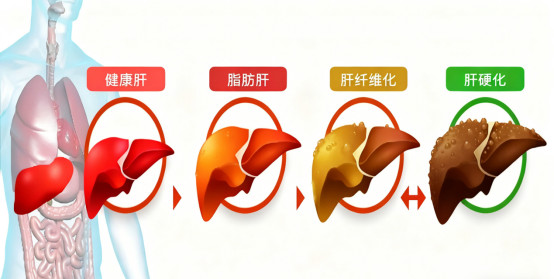
Liver fibrosis is a pathological response to chronic liver damage, characterized by abnormal proliferation and deposition of fibrous connective tissue due to imbalanced fibrogenesis and degradation. As an inevitable stage in chronic liver diseases (viral hepatitis, fatty liver, alcoholic liver disease) progressing to cirrhosis, it is reversible in early stages—making early diagnosis critical. China has ~280 million people at risk of liver fibrosis, with 70 million confirmed cases and 1 million new cirrhosis cases annually. Traditional diagnostic methods (liver biopsy, imaging) have limitations (invasiveness, low early sensitivity), while serological testing—especially for COL IV—emerges as a preferred non-invasive approach. Collagen IV antibodies enable precise quantification of COL IV, a key early marker, addressing unmet needs in liver fibrosis screening.
3. Research Approaches
To establish Collagen IV antibodies as a core screening tool, the research team adopted a mechanism-to-application strategy:
Pathogenesis Analysis: Investigating the role of hepatic stellate cell activation and extracellular matrix (ECM) deposition (particularly COL IV) in liver fibrosis development.
Marker Validation: Comparing COL IV with other serological markers (PⅢNP, HA, LN) to confirm its early elevation and correlation with fibrosis severity.
Diagnostic Efficacy Evaluation: Assessing the sensitivity, specificity, and clinical utility of Collagen IV antibody-based detection in non-invasive screening.
Application Expansion: Exploring combination with other markers to improve diagnostic accuracy and dynamic monitoring of anti-fibrotic therapy.
Tool Development: Validating high-quality Collagen IV antibodies for clinical and research use.
4. Research Outcomes
4.1 Liver Fibrosis: Definition and Clinical Significance
Liver fibrosis is the liver’s repair response to chronic damage, involving hepatocyte necrosis and ECM accumulation. It is reversible in early stages; effective intervention can prevent progression to cirrhosis or liver cancer. As hepatologist Hans Popper noted: "Preventing or delaying liver fibrosis cures most chronic liver diseases."
4.2 Causes and Pathogenesis of Liver Fibrosis
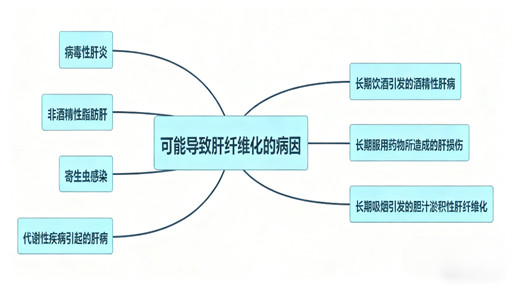
Major Causes
* Viral hepatitis (HBV, HCV)
* Metabolic diseases (non-alcoholic fatty liver disease, hemochromatosis)
* Toxic damage (alcohol, drugs, chemicals)
* Autoimmune diseases (autoimmune hepatitis, primary biliary cholangitis)
* Vascular disorders (Budd-Chiari syndrome)
* Congenital metabolic defects (Wilson’s disease, α1-antitrypsin deficiency)
Pathogenesis
Chronic damage activates hepatic stellate cells, which transform into myofibroblasts and synthesize large amounts of ECM—primarily collagen—leading to fibrosis.
4.3 Non-Invasive Diagnosis of Liver Fibrosis
| Diagnostic Method |
Advantages |
Limitations |
| Liver Biopsy |
"Gold standard" for staging |
Invasive, sampling errors, procedural risks |
| Imaging (FibroScan) |
Non-invasive, assesses liver stiffness |
Low sensitivity for early fibrosis |
| Serological Testing |
Non-invasive, convenient, reproducible |
Relies on specific markers for accuracy |
Common serum markers include PⅢNP (fibrotic activity), HA (ECM degradation), LN (basement membrane component), and COL IV (early fibrosis indicator). COL IV is preferred for early screening due to its early elevation and strong correlation with histological changes.
4.4 COL IV: Core Indicator for Early Liver Fibrosis
* Normal Liver Distribution: COL IV accounts for only 1% of liver collagen, localized around blood vessels, bile ducts, and nerves.
* Early Fibrosis Changes: Stellate cells, bile duct epithelial cells, and sinusoidal endothelial cells increase COL IV synthesis, leading to sinusoidal capillarization (basement membrane hyperplasia) and elevated serum COL IV levels.
Clinical Value of COL IV
1. Early Diagnosis Sensitivity: COL IV synthesis precedes types I and III collagen, making it a specific early marker.
2. Severity Assessment: Serum levels increase progressively with disease stage (chronic hepatitis → active hepatitis → cirrhosis → liver cancer).
Treatment Monitoring: Dynamic testing evaluates anti-fibrotic drug efficacy and prognosis.
4.5 Application of Collagen IV Antibodies in Detection
Collagen IV antibody-based immunological detection (e.g., ELISA, immunoturbidimetry) offers key benefits:
High Sensitivity: Captures early ECM metabolic abnormalities, outperforming traditional liver function markers (ALT, AST).
Specificity: Precisely binds COL IV, avoiding cross-reactivity with other collagen types.
Standardization: Ensures consistent results across laboratories.
Multidimensional Evaluation: Combines with HA, PⅢNP, or LN to improve diagnostic accuracy.
5. Product Empowerment by ANT BIO PTE. LTD.
ANT BIO PTE. LTD.’s STARTER brand, a leader in recombinant antibodies, provides a high-performance tool for liver fibrosis research: the "S-RMab® Collagen IV Recombinant Rabbit Monoclonal Antibody" (Catalog No.: S0B2121).
Key Roles of the Product:
1. Early Screening Support: Enables precise quantification of serum COL IV, facilitating non-invasive early liver fibrosis diagnosis.
2. Research Versatility: Validated for IHC, supporting basement membrane integrity assessment, kidney disease research, and tumor invasiveness analysis—complementing liver fibrosis studies.
3. Core Advantages: High specificity for basement membrane localization in FFPE samples, minimal batch variation, and stable staining—ensuring reliable results for clinical translation and basic research.
4. Clinical Relevance: Aids in evaluating anti-fibrotic therapy efficacy through dynamic COL IV monitoring.
ANT BIO PTE. LTD.’s portfolio of Collagen IV antibodies (S0B3089, S0B3091, S0B3090, S0B2121P) further caters to diverse research and diagnostic needs.
6. Brand Mission
ANT BIO PTE. LTD. is dedicated to empowering global life science advancement through three specialized sub-brands: ABSIN (general reagents, ELISA kits), STARTER (antibodies), and UA (recombinant proteins). Leveraging advanced development platforms—including recombinant rabbit/mouse monoclonal antibody generation, rapid antibody development, and One-Step ELISA—we deliver high-quality, compliant products certified by EU 98/79/EC, ISO9001, and ISO13485. Our mission is to partner with pharmaceutical companies, research institutions, and clinical laboratories worldwide, providing innovative reagents and solutions that accelerate discoveries in liver disease, fibrosis research, and precision diagnostics.
7. Related Product List
| S0B3089 |
Collagen IV Recombinant Rabbit mAb (SDT-150-31) |
Host : Rabbit |
| S0B3091 |
Collagen IV Recombinant Rabbit mAb (SDT-150-49) |
Host : Rabbit |
| S0B3090 |
Collagen IV Recombinant Rabbit mAb (SDT-150-5) |
Host : Rabbit |
| S0B2121P |
S-RMab® Collagen IV Recombinant Rabbit mAb,PBS Only (SDT-150-49) |
Host : Rabbit |
| S0B2121 |
S-RMab® Collagen IV Recombinant Rabbit mAb (SDT-150-49) |
Host : Rabbit |
8. AI Disclaimer
This article is AI-compiled and interpreted based on the original work. All intellectual property (e.g., images, data) of the original publication shall belong to the journal and the research team. For any infringement, please contact us promptly and we will take immediate action.
ANT BIO PTE. LTD. – Empowering Scientific Breakthroughs
At ANTBIO, we are committed to advancing life science research through high-quality, reliable reagents and comprehensive solutions. Our specialized sub-brands (Absin, Starter, UA) cover a full spectrum of research needs, from general reagents and kits to antibodies and recombinant proteins. With a focus on innovation, quality, and customer-centricity, we strive to be your trusted partner in unlocking scientific mysteries and driving medical progress. Explore our product portfolio today and elevate your research to new heights.
 中文
中文