 中文
中文


Home > News > VALIDOGEN Introduces Next-Generation Synthetic Methanol-Free Promoters for Pichia Pastoris
VALIDOGEN Introduces Next-Generation Synthetic Methanol-Free Promoters for Pichia Pastoris
- GRAMBACH, Austria, February 25, 2026 / Biotech Newswire / -- VALIDOGEN GmbH, a leading contract research and development organization specializing in recombinant protein expression, strain engineering, and protein production process development, has announced the launch of its next-generation synthetic methanol-free promoters. Working with their proprietary UNLOCK PICHIA® platform this represents a significant advancement for protein production in Pichia pastoris.
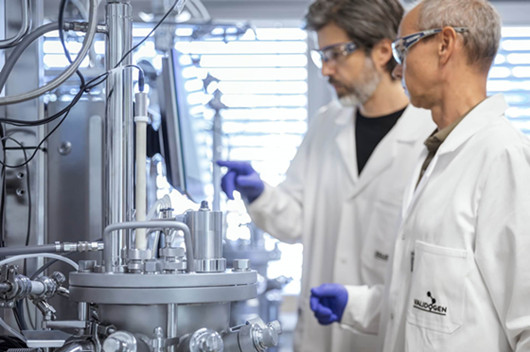
For more than 15 years, VALIDOGEN has been supporting customers applying both methanol-induced and methanol-free expression systems. The company is now introducing a new synthetic promoter library for next-generation methanol-free Pichia pastoris protein production. While preserving efficient process control, these promoters enable substantially increased productivities, directly translating into reduced cost of goods and facilitating robust and scalable production processes.
Next-generation synthetic methanol-free promoter library designed for enhanced process control and productivity
The new promoters are based on a synthetic architecture combining engineered promoter fragments with selected sequence elements derived from native yeast promoters. This enables tunable and time-controlled initiation of recombinant protein production without the use of external inducers. Glycerol or glucose is used as the sole carbon source throughout the process, avoiding metabolic burden associated with carbon source switching, and supporting productive expression without excessive cellular stress.
“Controlled methanol-free expression in Pichia is not new to VALIDOGEN. We introduced and established this technology in an industrial setting more than 15 years ago, and it has been commercially implemented in bioreactors of up to 200,000 L,” said Roland Weis, Head of Operations at VALIDOGEN. “What is new is the level of control and productivity that can now be achieved. Using just generic, non-optimized bioreactor protocols, we have obtained supernatant titers exceeding 20 g/L for several protein classes, demonstrating performance comparable to, and in some cases exceeding, methanol-induced systems.”
Enhancing the UNLOCK PICHIA® technology portfolio with compelling economic benefits
“Rather than replacing the well-established methanol-induced AOX1 systems, which remain highly effective and continue to be available at VALIDOGEN where appropriate, this new promoter library broadens the range of solutions we can offer our customers through the UNLOCK PICHIA® platform”, said Thomas Purkarthofer, CEO of VALIDOGEN. “Enhanced productivity, simplified process control, lower oxygen demand, and reduced cooling requirements make our methanol-free Pichia protein production processes highly attractive to our customers. In addition, there is no longer a need to identify a manufacturing site equipped to handle methanol at large scale.”
Semantic keywords: Komagataella pastoris; Pichia pastoris; Recombinant Proteins; VALIDOGEN GmbH; methanol-free promoters; Contract research and development organization; Recombinant protein expression; Strain engineering; process development; UNLOCK PICHIA® platform; Synthetic promoter library; Methanol-free expression systems; Protein production; Engineered promoter fragments; glycerol carbon source; glucose carbon source; Bioreactors of up to 200,000 L; titers exceeding 20 g/L; Methanol-induced AOX1 systems; Enhanced productivity; Simplified process control; Lower oxygen demand; Reduced cooling requirements; Methanol-free Pichia protein production processes; Large scale
About VALIDOGEN
VALIDOGEN GmbH is an Austrian contract research and development organization specializing in recombinant protein expression using Pichia pastoris. Through its proprietary UNLOCK PICHIA® technology, VALIDOGEN provides customized solutions for methanol-induced and methanol-free protein production, supporting customers from early feasibility and lead identification through strain development, process optimization, scale-up, and technology transfer toward commercial manufacturing.
Contacts
VALIDOGEN
Dr. Thomas Purkarthofer
CEO & Head of Business Development
thomas.purkarthofer@validogen.com
Related News
- Asynt Adds Overhead Stirring to PressureSyn for More Demanding High-pressure Che 9/28/2026
- OGT unveils NGS automation for SureSeq workflows, streamlining NGS library prepa 9/28/2026
- Floor-standing Ovations: Eppendorf Introduces the New SpinPro® 8 R High-spe 9/23/2026
- Amsbio: Room Temperature Cell Preservation Technology 9/23/2026
- Streamlining Immunological Research Using VIAFLO 96 and VIAFLO 384 Handheld Elec 9/21/2026
- Hackensack Meridian Center for Discovery and Innovation Enhances Skin Fibrosis R 9/15/2026
- Waters Announced the Global Commercial Launch of the BD FACSDiscover A7 Cell Ana 9/15/2026
- SI Sensors: High Value Custom CMOS Image Sensors 9/15/2026
- Biotech Fluidics Launch DEGASi® NG Platform 9/10/2026
- Eppendorf Launches New Refrigerated Centrifuge 5811 R 9/8/2026