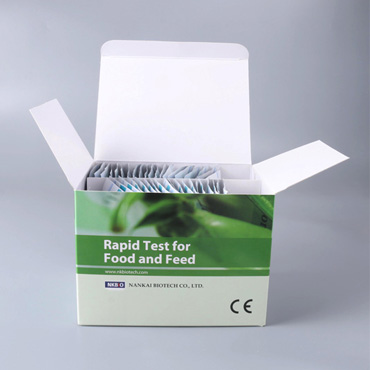
Not just a rapid test supplier — a long-term, globally proven food safety partner.
For durian exporters in Southeast Asia, heavy metal contamination—especially cadmium—has become an increasing compliance concern in international trade.
A single rejected shipment can result in:
• Significant financial losses
• Delays in delivery schedules
• Damage to long-term buyer relationships
• Increased inspection frequency for future exports
The key question is no longer “Will testing be required?”
It is “Are you testing early enough to prevent rejection?”
⸻
Section 1 — The Growing Risk of Cadmium in Durian Exports
Cadmium contamination in agricultural products is strictly monitored in many international markets.
In recent years:
• Inspection standards have become more stringent
• Export batches are more frequently tested
• High-risk commodities such as durian are under closer scrutiny
Durian, as a high-value tropical fruit, faces increasing regulatory attention due to:
• Soil-related heavy metal absorption
• Variability across growing regions
• Rising global demand and stricter import controls
For exporters, this means one thing:
Risk is no longer occasional — it is systematic.
⸻
Section 2 — What Happens When a Shipment Fails?
When cadmium levels exceed acceptable limits, the consequences go far beyond a single rejected container.
Immediate impacts:
• Shipment rejection at border inspection
• Return, destruction, or reprocessing costs
• Loss of logistics and handling investment
Long-term impacts:
• Increased inspection frequency (“high-risk exporter” status)
• Stricter documentation requirements
• Loss of trust from importers and distributors
In many cases, one failed shipment can affect multiple future shipments.
⸻
Section 3 — Why Laboratory Testing Alone Is Not Enough
Traditional laboratory testing methods such as AAS or ICP are reliable—but they are not designed for fast operational decisions.
Limitations of lab testing:
• Turnaround time: hours to days
• Requires sample transport
• Higher cost per test
• Not suitable for high-frequency batch screening
This creates a critical gap:
By the time lab results arrive, your shipment may already be prepared—or even shipped.
⸻
Section 4 — The Role of Pre-Shipment Rapid Screening
To manage risk effectively, leading exporters are adopting a two-step strategy:
Step 1: On-site rapid screening
Step 2: Laboratory confirmation (if needed)
This approach allows exporters to:
• Identify high-risk batches early
• Separate compliant and non-compliant products
• Reduce unnecessary lab testing costs
• Make immediate decisions at packing or collection stage
This is where rapid test kits become a practical risk control tool, not just a testing method.
⸻
Section 5 — How Leading Durian Exporters Manage Risk Today
Across Vietnam, Thailand, and other Southeast Asian countries, top exporters are already implementing on-site cadmium screening as part of their standard workflow.
Typical workflow:
1. Sample collection at farm or packing house
2. Rapid cadmium screening (3–5 minutes)
3. Immediate batch classification
4. Only high-risk samples sent to laboratory for confirmation
This system enables:
• Faster throughput
• Lower testing costs
• More predictable export quality
Most importantly, it helps exporters move from reactive testing → proactive risk prevention
⸻
Section 6 — What to Look for in a Cadmium Rapid Test Solution
Not all rapid test kits are suitable for export-level decision making.
Professional buyers typically look for:
Reliability
• Cross-validation with laboratory methods (AAS / ICP)
• Consistent results across different sample types
Practical usability
• Simple operation in field conditions
• Minimal training required
• Stable performance in varying environments
Speed
• Results within 3–5 minutes
• Suitable for batch-level screening
Proven market use
• Already used in real export supply chains
• Tested in high-volume scenarios
In short: It must work in real life—not just in a lab brochure.
⸻
Section 7 — From Testing Tool to Risk Control Strategy
The most important shift is this:
Rapid testing is no longer just about detection
It is about decision-making and risk prevention
Exporters who adopt pre-screening gain:
• Better shipment confidence
• Reduced rejection probability
• Stronger relationships with buyers
• More stable long-term operations
⸻
�� Section 8 — A Practical Solution for Durian Exporters
To support this workflow, a dedicated cadmium rapid testing solution can provide:
• On-site screening capability
• Reliable detection performance
• Fast turnaround for high-volume testing
• Compatibility with optional reader systems for data tracking
Such solutions are already widely used by exporters across Southeast Asia and have proven effective in real export conditions.
⸻
Protect Your Shipment Before It Leaves
Don’t wait for laboratory results to discover a problem.
Screen early. Act early. Ship with confidence.
Contact us today to learn more about our cadmium rapid testing solutions for durian and tropical fruit exporters.
Why Choose Us?
Proven in Major International Events
Our rapid testing technologies have supported large-scale food safety monitoring programs
in high-standard international environments,
demonstrating reliability, speed, and operational efficiency
under real-world conditions.Supporting food safety monitoring in:
• 2008 Beijing Olympic Games
• 2010 Shanghai World Expo
• 2023 Hangzhou Asian Games
Global Trust & Real-World Validation
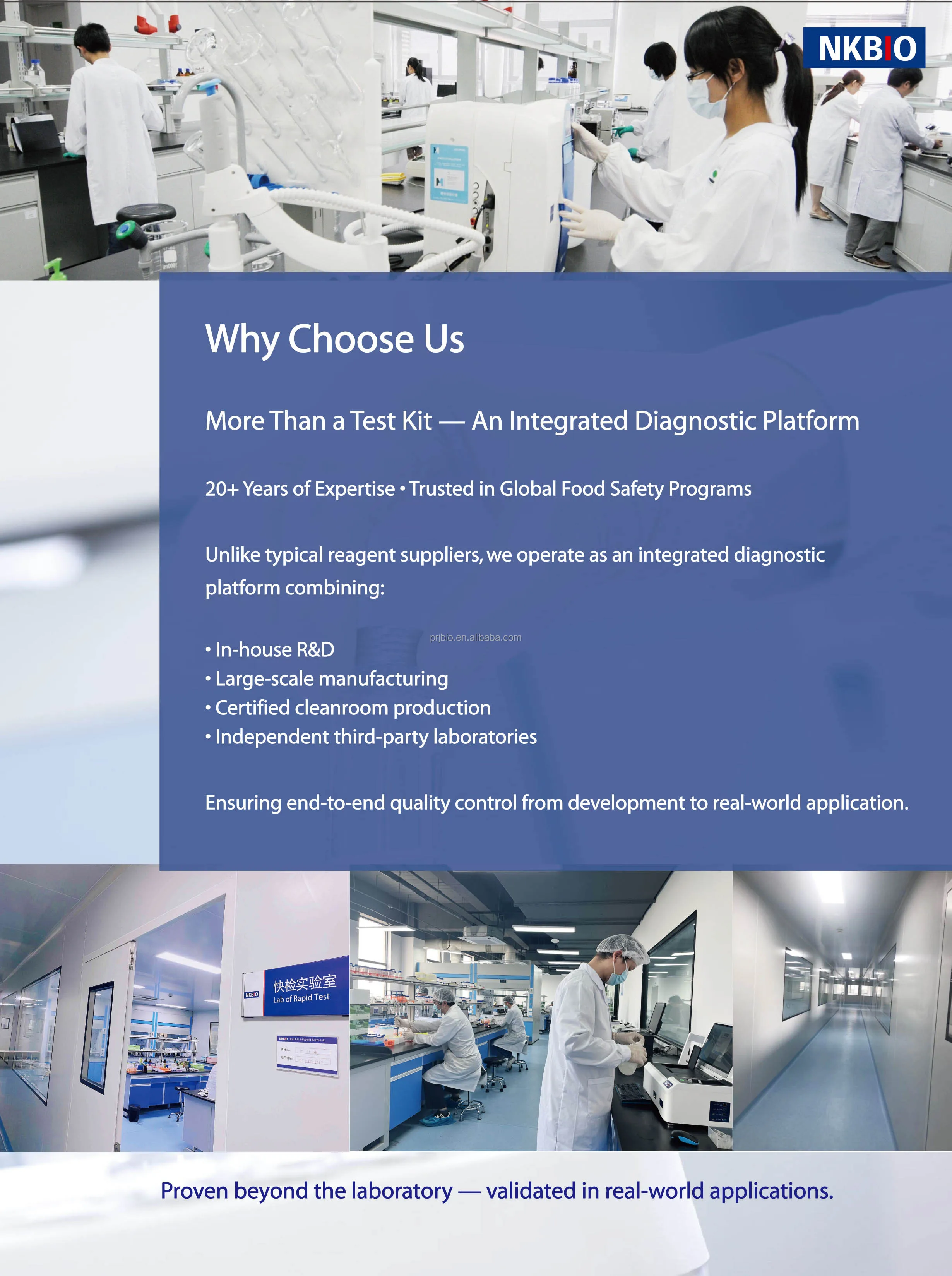
More Than a Test Kit — An Integrated Diagnostic Platform
20+ Years of Expertise • Trusted in Global Food Safety Programs
Unlike typical reagent suppliers, we operate as an integrated diagnostic
platform combining:
• In-house R&D
• Large-scale manufacturing
• Certified cleanroom production
• Independent third-party laboratories
Ensuring end-to-end quality control from development to real-world application.
bio-equip.cn
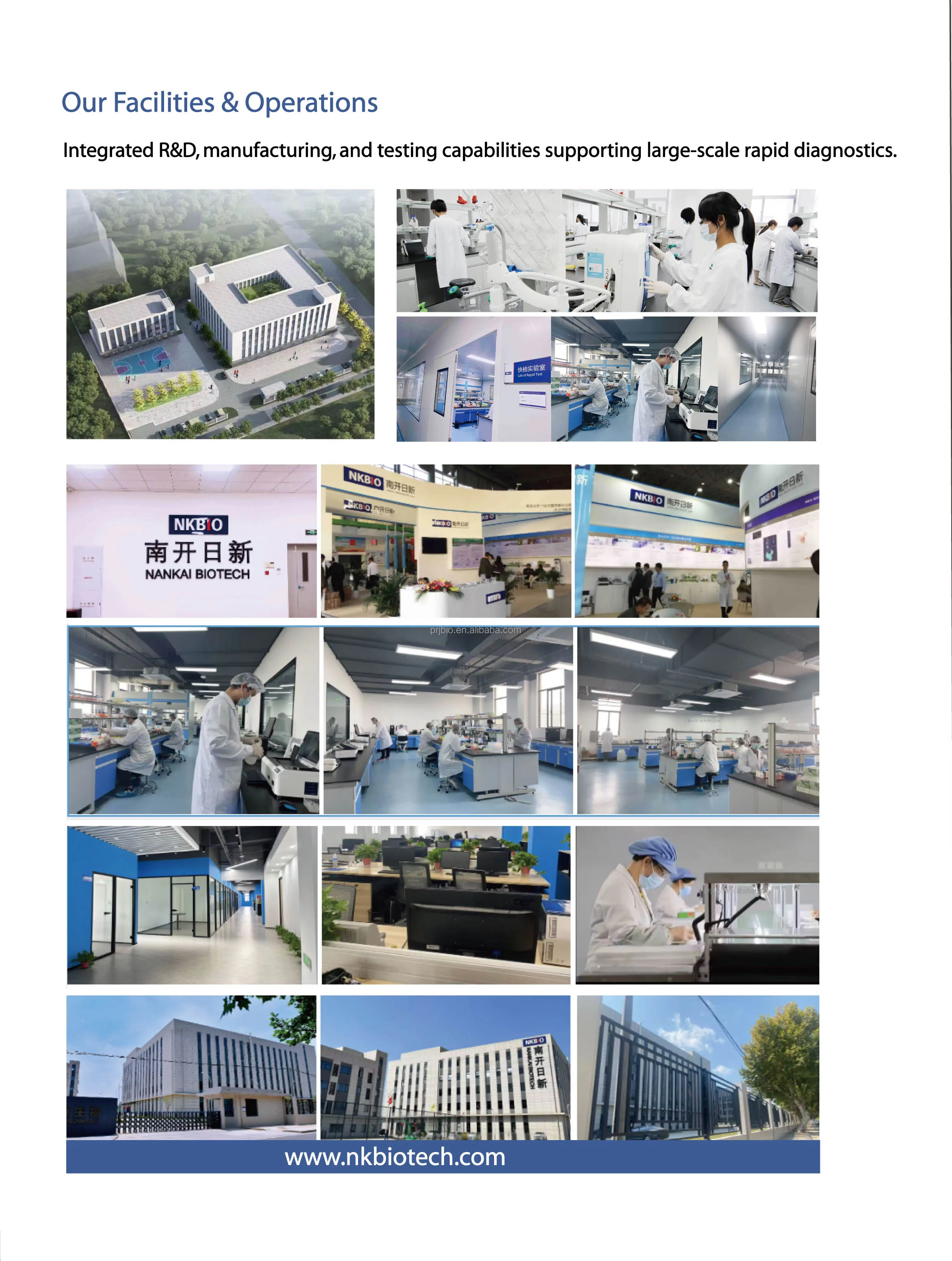
NANKAI Biotech develops and manufactures rapid testing solutions for real-world food safety risk control.
For more than 20 years, we have focused on fast, practical and reliable rapid screening technologies that help regulators, laboratories, distributors, exporters and food industry QC teams make faster food safety decisions.
NANKAI provides rapid screening and quantitative analysis solutions for pesticide residues, mycotoxins, illegal additives, aquaculture & seafood safety, veterinary drug residues, antibiotics, heavy metals & toxic elements, digital QC, traceability systems and related food safety applications.
What differentiates NANKAI is the combination of large-scale manufacturing, certified analytical laboratory verification and extensive real-world deployment experience.
We operate three CMA, CATL & CNAS certified analytical laboratories equipped with LC-MS/MS and GC-MS/MS platforms, supporting matrix verification, reference method comparison, rapid test performance evaluation and accredited third-party analytical testing services.
Our rapid testing solutions have been applied in Olympic-level food safety programs, major international events, government monitoring projects, grain & feed safety workflows, fruit & vegetable screening, tobacco & tea quality control, seafood and meat safety supervision, traditional herbal material testing, dairy and honey safety programs, factory QC and export risk-control workflows.
Highlights:
• Fast, practical and reliable rapid screening solutions
• 20+ years of rapid testing technology development
• 25,000+ m² manufacturing & laboratory facilities
• Three CMA, CATL & CNAS certified analytical laboratories
• LC-MS/MS & GC-MS/MS analytical capability
• Olympic-level and government project experience
• Billions of real-world screening applications
• Food safety monitoring, traceability and digital regulatory systems
NANKAI Biotech supports international partners with practical, scalable and laboratory-verified rapid testing solutions for food safety risk control.
 中文
中文