 中文
中文


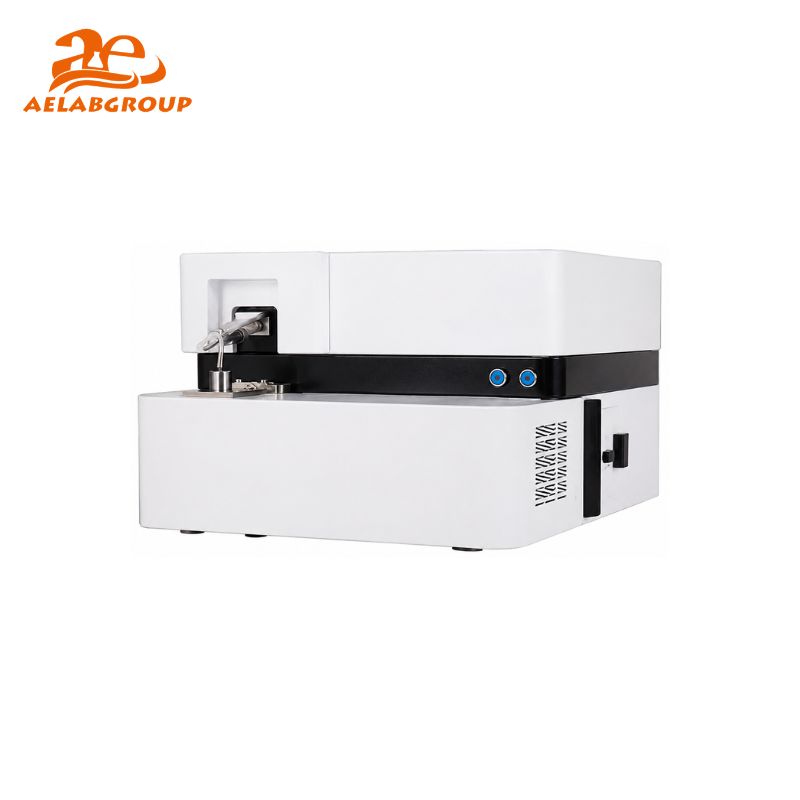
AELAB Metal Element Analyzers – ICP-AES, Optical Emission & Mobile Series

- Product Detail
- Company Profile
- Elemental composition analysis of iron, steel and cast-iron samples
- Quality control of aluminum, copper, zinc and related alloys
- Incoming raw-material verification and alloy grade identification
- Foundry melt control before casting and production release
- Metal manufacturing and process optimization
- Inspection of automotive, aerospace and engineering components
- Analysis of metal parts, bars, sheets, wires and cast products
- Failure analysis and investigation of incorrect alloy composition
- Scrap-metal sorting and material verification
- Research and development of new metallic materials
- Environmental and industrial trace-element analysis after suitable sample preparation
- On-site inspection of large or installed metal components
- Define the analytical requirement: Identify the metal matrix, required elements, expected concentration range and applicable testing method.
- Prepare the sample: Cut, grind, polish or digest the sample according to the selected analytical technique.
- Select the calibration program: Choose the correct metal matrix, analytical method and certified reference standards.
- Perform instrument standardization: Verify instrument performance using suitable control samples before routine testing.
- Run the analysis: Position the sample correctly and start the excitation or ICP measurement procedure.
- Review the results: Compare measured element concentrations with material specifications or alloy grade limits.
- Document and report: Save the analytical data, generate the test report and maintain traceable quality-control records.
- Laboratory and mobile solutions for different metal-analysis workflows
- Systems for both prepared liquid samples and direct solid-metal analysis
- Fast multi-element testing for production and quality-control applications
- Solutions for iron, steel, aluminum, copper, zinc and related alloys
- Different configurations according to analytical sensitivity and testing throughput
- Software-supported calibration, result processing and report management
- Technical model-selection assistance before quotation
- Support for installation, training and application requirements
- International supply, export packaging and shipping support
- Configuration and power-supply assistance according to destination requirements
- Sample material and physical form
- Main metal or alloy matrix
- Elements that must be measured
- Expected concentration range
- Required detection limits and accuracy
- Number of samples tested per day
- Laboratory or on-site operating requirement
- Sample size and surface condition
- Available argon purity and pressure
- Destination country and required power supply
AELAB Metal Element Analysis and Optical Emission Spectrometer Solutions
AELAB supplies metal element analysis instruments for rapid identification, measurement and quality control of metallic materials in laboratories, foundries, steel plants, metal-processing facilities and industrial production environments.
The available product range includes ICP-AES spectrometers, laboratory optical emission spectrometers and mobile metal analyzers designed for elemental composition testing of iron, steel, aluminum, copper, zinc and other metal matrices and alloys.
Customers can compare AELAB metal element analyzers according to sample type, analytical technique, measurable element range, required sensitivity, testing speed, laboratory conditions and whether analysis must be performed in a laboratory or directly at the production site.
View AELAB Metal Element Analysis Models and Specifications
Explore ICP-AES, optical emission and mobile metal analysis systems available for laboratory and industrial elemental testing.
Available Metal Element Analysis Technologies
| Technology | Typical Use |
|---|---|
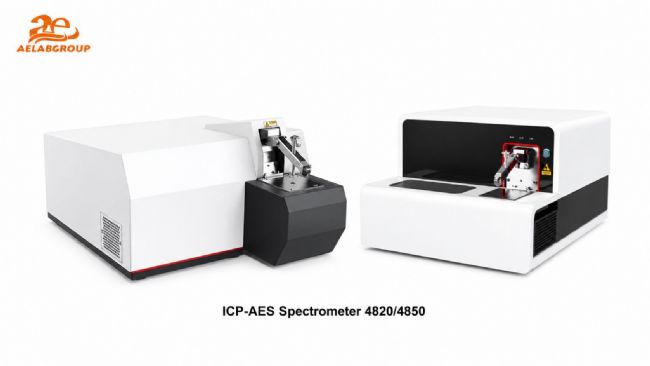
| ICP-AES Spectrometry | Multi-element quantitative analysis of prepared liquid samples for laboratory research, environmental testing, metallurgy and industrial quality control. |
| Spark Optical Emission Spectrometry | Fast direct elemental analysis of solid metals and alloys for incoming material inspection, production control and final product verification. |
| Arc and Plasma Emission Analysis | Measurement of characteristic emission spectra generated when metallic samples are excited by a controlled arc, spark or plasma source. |
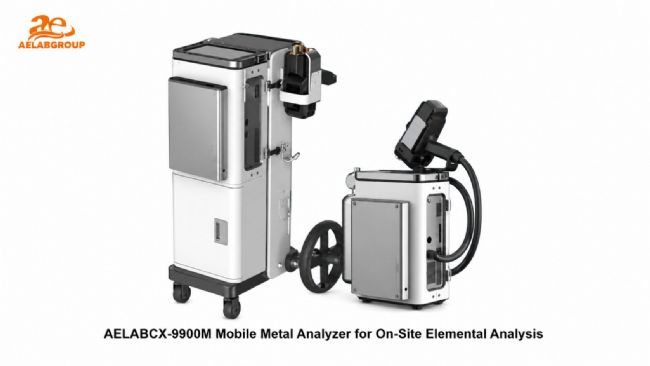
| Mobile Metal Analysis | On-site elemental testing of large components, installed parts, pipelines, castings and materials that cannot be conveniently transported to a laboratory. |
Typical Applications
 How to Select the Right Metal Element Analyzer
Selecting a metal element analysis instrument should be based on the analytical method, sample form, required elements, expected concentration range and operating environment. Laboratories should also evaluate sample preparation requirements, testing throughput, calibration standards, argon consumption, software functions and after-sales support.
| Selection Factor | Questions to Consider |
|---|---|
| Sample Type | Will the instrument analyze solid metals directly, or liquids produced through digestion and sample preparation? |
| Metal Matrix | Does the application involve iron, steel, aluminum, copper, zinc or several different alloy bases? |
| Required Elements | Which alloying, residual or trace elements must be identified and quantified? |
| Detection Range | Is the requirement routine alloy composition testing, trace-element measurement or a broad concentration range? |
| Laboratory or On-Site Use | Will samples be brought to a laboratory, or must the analyzer be transported to large components and production areas? |
| Testing Speed | How many samples must be tested per shift, and are results required within seconds for production decisions? |
| Sample Dimensions | Are the samples flat and sufficiently large, or are special clamps and adapters required for small or irregular parts? |
| Excitation Method | Does the application require spark, arc, plasma excitation or an ICP-based liquid analysis method? |
| Calibration | Are certified reference materials and factory-installed analytical programs available for the required matrices? |
| Gas and Utilities | Is high-purity argon available, and can the installation site provide the required power, ventilation and environmental conditions? |
| Software and Reporting | Are automatic identification, calibration management, result storage, report generation and data export required? |
| Service Requirements | Does the project require installation, operator training, method development and remote technical support? |
View the complete AELAB Metal Element Analysis range, available models and technical specifications
General Model Selection Comparison
| Product | Instrument Type | Recommended Application |
|---|---|---|
| ICP-AES 4820/4850 | ICP Atomic Emission Spectrometer | Laboratory multi-element analysis of prepared samples |
| CX-9600 | Optical Emission Spectrometer | Routine metal and alloy composition testing |
| CX-9800 | Full-Spectrum Optical Emission Spectrometer | Fast multi-element laboratory and production analysis |
| CX-9900M | Mobile Metal Analyzer | On-site analysis of large or installed metal components |
Typical Metal Element Analysis Workflow
Why Choose AELAB Metal Element Analyzers?
Information Required for Model Selection
For a more accurate model recommendation, send the following information to the AELAB technical sales team:
About AELAB
AELAB is a laboratory equipment brand and supplier based in Guangzhou, China. AELAB provides analytical instruments, laboratory equipment and quality-control solutions for distributors, universities, research organizations and industrial customers worldwide.
The AELAB product range includes elemental analysis systems, optical emission spectrometers, ICP instruments, laboratory equipment, environmental testing systems, pharmaceutical testing instruments and sample-preparation solutions.
Official website: https://aelabgroup.com
Frequently Asked Questions
What materials can AELAB metal element analyzers test?
Depending on the selected model and calibration program, the instruments can be used for elemental analysis of iron, steel, cast iron, aluminum, copper, zinc and related metallic alloys.
What is the difference between ICP-AES and spark OES?
ICP-AES normally analyzes liquid samples introduced into an inductively coupled plasma and is suitable for multi-element laboratory testing. Spark OES directly excites the surface of a solid metal sample and is commonly selected for rapid alloy and production-control analysis.
Can an optical emission spectrometer analyze solid metals directly?
Yes. Spark optical emission spectrometers are designed to analyze suitably prepared conductive metal samples directly. The sample surface normally needs to be flat, clean and correctly polished before testing.
Why is argon used during metal element analysis?
High-purity argon creates a controlled excitation and optical environment, helping reduce interference and supporting stable, repeatable spectral measurement.
What sample preparation is required for spark OES?
The sample surface usually needs grinding, milling or polishing to remove oxidation, coatings and contamination. Correct surface preparation improves repeatability and prevents inaccurate elemental results.
When should a mobile metal analyzer be selected?
A mobile analyzer is suitable when large components, installed equipment, pipelines, castings or production materials cannot be conveniently transported to a fixed laboratory instrument.
Can one instrument analyze every type of metal?
The measurable materials depend on the instrument configuration, optical range, detector, excitation system and installed calibration programs. The required matrices and elements should therefore be confirmed before ordering.
Can AELAB recommend a model based on my application?
Yes. Send your sample type, metal matrix, required elements, concentration range, testing capacity, installation conditions and destination country. The AELAB team can review the application and recommend suitable models.
Request a Metal Element Analyzer Recommendation, Price and Technical Proposal
Tell the AELAB technical sales team which metals, alloys and elements you need to analyze. Include the sample form, expected concentration range, required detection limits, daily testing volume and whether the instrument will be used in a laboratory or at an industrial site.
A technical proposal can include recommended models, available configurations, specifications, calibration requirements, optional accessories, installation conditions, delivery time, packaging and shipping information.
View AELAB Metal Element Analysis Models
Email: info@aelabgroup.com
WhatsApp / WeChat: +86 158 0001 6110
Website: www.aelabgroup.com
-
AELAB GUANGZHOU CO., LTD.
AELAB is a laboratory equipment and analytical instrument supplier based in Guangzhou, China. We provide laboratory instruments, quality control equipment, analytical systems, sample preparation equipment, and related laboratory solutions for distributors, industrial laboratories, universities, research organizations, and testing centers worldwide.
AELAB offers both our own-brand products and carefully selected instruments from established manufacturers. OEM and ODM services are available for selected AELAB products, including customized branding, appearance, configuration, power supply, accessories, packaging, and documentation according to customer requirements.
For laboratory projects, distributor orders, government tenders, and complete laboratory setups, our team can provide a one-stop purchasing solution. We assist customers with product selection, technical comparison, quotation preparation, sourcing, quality inspection, export packaging, shipping coordination, and after-sales support.
Our technical team helps customers select suitable equipment based on their application, testing method, required specifications, budget, and local standards. Warranty and technical support are provided according to the product and project requirements.
AELAB operates under an established quality management system. Relevant company and product documentation may include SGS verification, ISO certification, CE, RoHS, FCC, or UL-related documentation, depending on the specific product model and configuration. Customers may contact us to confirm the available certificates before ordering.
Our equipment is widely used in industrial quality control, scientific research, universities, pharmaceutical laboratories, food and agricultural testing, environmental analysis, chemical laboratories, and other professional testing applications.
We are committed to developing long-term cooperation with distributors, laboratories, research institutions, and project contractors. If you are looking for a reliable laboratory equipment supplier with stable service and technical support, please contact AELAB.
Contact AELAB
Website:
https://aelabgroup.com
Email:
info@aelabgroup.com
WhatsApp / WeChat:
+86 15800016110
| Request Information |
| Related Products |
| Recently viewed products |