中文
中文


AELAB NIR Spectrophotometers – Portable, Desktop & Laboratory NIR Analyzer Series

- Product Detail
- Company Profile
- Moisture evaluation in grains, powders and processed materials
- Protein estimation in agricultural and food samples
- Fat and oil content analysis
- Starch and carbohydrate-related measurements
- Fiber analysis in feed and agricultural products
- Incoming raw-material inspection
- Animal-feed formulation and quality control
- Grain purchasing and storage management
- Food-processing quality monitoring
- Production-line sample screening
- Research and calibration-model development
- Comparison of raw materials and finished products
- Detection of sample variation or inconsistency
- Rapid screening before confirmatory laboratory analysis
- Define the application: Identify the sample type and required measurement parameters.
- Select the measurement configuration: Choose a suitable instrument and sampling method.
- Prepare the sample: Follow consistent sample-handling and preparation procedures.
- Perform spectral measurement: Scan the sample under controlled and repeatable conditions.
- Apply the calibration: Convert spectral information into estimated sample properties.
- Review the result: Compare the result with internal specifications or reference values.
- Verify performance: Periodically check calibration accuracy and instrument stability.
- Sample particle size and grinding consistency
- Sample temperature and environmental conditions
- Moisture distribution within the material
- Sample-container type and filling depth
- Homogeneity of the tested sample
- Instrument wavelength stability
- Cleanliness of the optical measurement area
- Quality and representativeness of the calibration data
- Operator sampling and preparation procedures
- Differences between raw-material varieties or production batches
- Portable, desktop and laboratory-oriented NIR configurations
- Solutions for grains, animal feed, food ingredients and industrial materials
- Options for rapid field testing and routine laboratory quality control
- Different sample-handling configurations according to application
- Technical support for model selection before quotation
- Solutions for distributors, research centers and industrial customers
- International export packaging and shipping support
- Configuration and power-supply support according to destination market
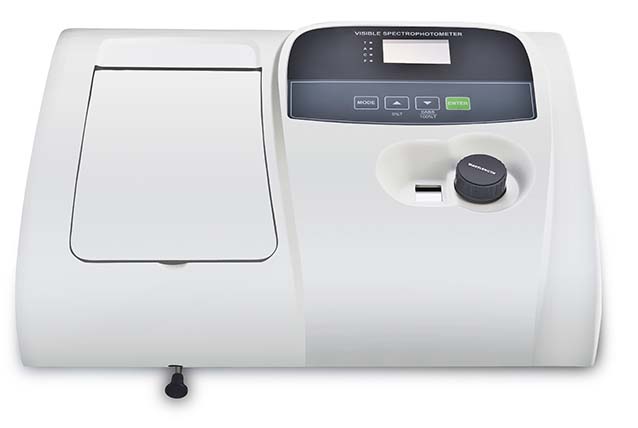
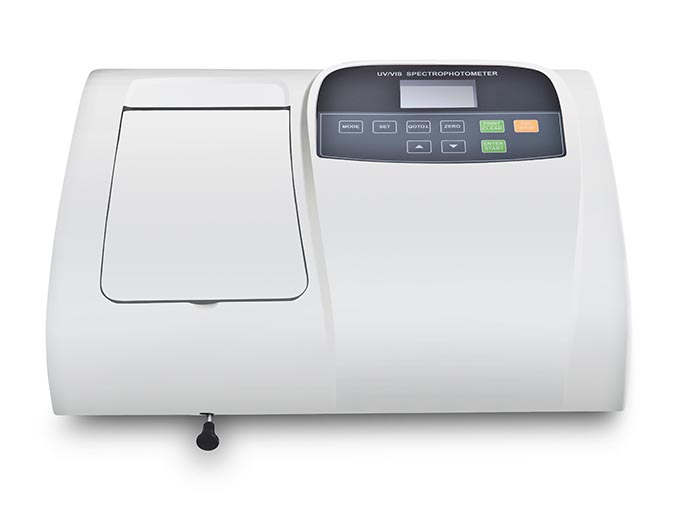
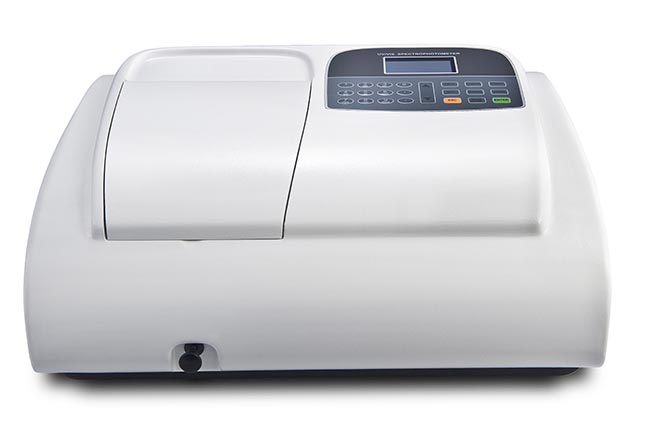
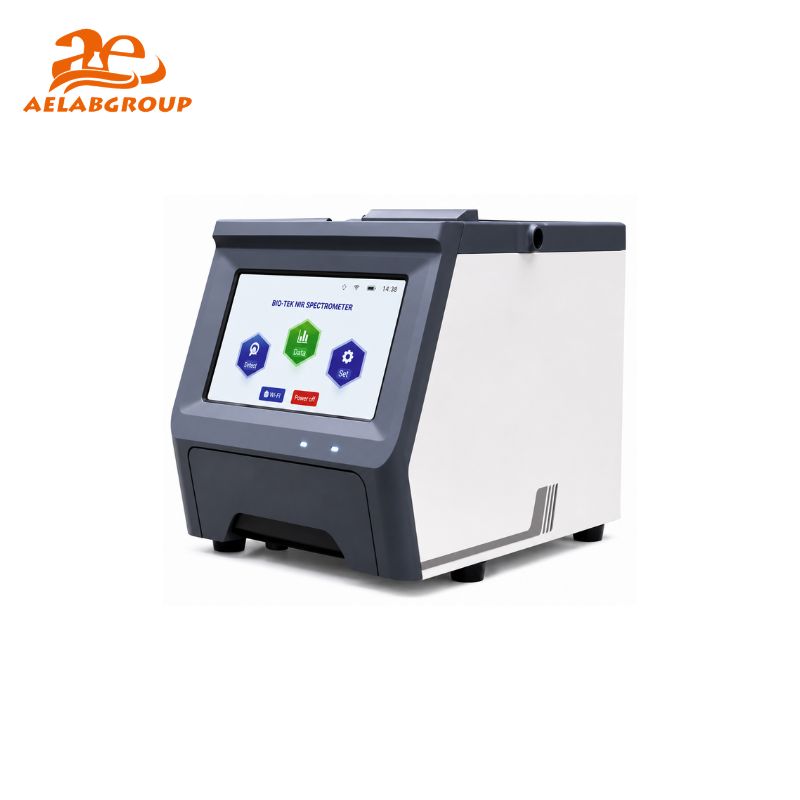
AELAB provides near-infrared spectrophotometers and NIR analysis systems for rapid, non-destructive evaluation of agricultural products, food ingredients, animal feed, grains, powders, liquids and industrial materials.
NIR spectroscopy allows laboratories and production facilities to estimate important sample properties by measuring the interaction between near-infrared light and the tested material. Depending on the application, NIR analysis can be used for moisture, protein, fat, starch, fiber and other compositional parameters after suitable calibration.
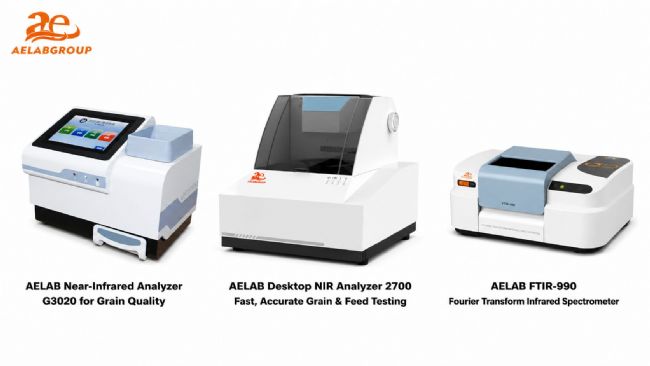
The AELAB NIR range includes portable, desktop and laboratory-based configurations for incoming material inspection, production monitoring, research, formulation and quality control.
Compare available near-infrared analysis systems according to sample type, required parameters, testing location, calibration requirements and laboratory workflow.
What Is an NIR Spectrophotometer?
An NIR spectrophotometer is an analytical instrument that measures the absorption or reflection of near-infrared radiation by a sample. The resulting spectral information can be correlated with physical and chemical properties through calibration models.
Unlike many conventional wet-chemistry methods, NIR testing usually requires little or no chemical reagent and can often analyze samples within a short period. This makes it suitable for high-throughput quality control and routine process monitoring.
The actual measurable parameters depend on the sample matrix, spectral range, calibration model, sample preparation and selected instrument configuration.
Available NIR Analysis System Types
| System Type | Typical Application |
|---|---|
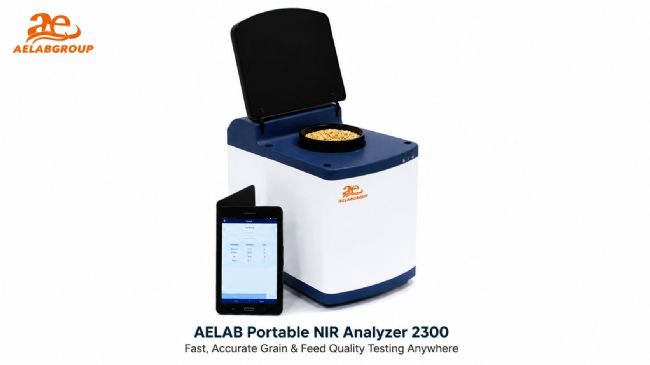
| Portable NIR Analyzer | On-site inspection of grains, agricultural materials, feed ingredients and production samples where rapid field or warehouse testing is required. |
| Desktop NIR Analyzer | Routine quality control and laboratory testing with stable sample positioning and repeatable measurement conditions. |
| Laboratory NIR Spectrophotometer | Research, calibration development, formulation, material characterization and detailed laboratory analysis. |
| Grain and Feed NIR Analyzer | Rapid estimation of important quality indicators in wheat, corn, rice, soybean, flour, feed and related agricultural products. |
| Liquid NIR Analysis System | Analysis of suitable liquid samples in food, chemical, pharmaceutical and industrial quality-control applications. |
| Infrared Spectroscopy System | Broader infrared analysis applications where sample identification, spectral evaluation or material characterization is required. |
Industries Using NIR Spectrophotometers
Testing cereals, seeds, flour and agricultural raw materials during purchasing, storage and processing.
Rapid evaluation of ingredients, intermediate products and finished food materials.
Quality control of feed ingredients and compound-feed products before formulation and release.
Spectral research, method evaluation, calibration development and sample comparison.
Rapid screening and characterization of suitable powders, solids and liquid samples.
Monitoring material consistency and supporting faster decisions during production.
Benefits of Near-Infrared Analysis
| Benefit | Description |
|---|---|
| Rapid Measurement | Many routine NIR measurements can be completed faster than conventional chemical-analysis procedures. |
| Non-Destructive Testing | Depending on the sample and measurement method, the tested material may remain available after analysis. |
| Limited Reagent Use | NIR methods generally reduce the need for chemical reagents and complex laboratory preparation. |
| Multiple Parameters | A suitable calibration may allow several sample properties to be evaluated from one spectral measurement. |
| High-Throughput Screening | NIR systems can support frequent testing of raw materials and production samples. |
| On-Site Analysis | Portable configurations allow testing in warehouses, grain-storage areas, purchasing stations and production facilities. |
How to Select the Right NIR Spectrophotometer
Selecting an NIR analyzer should begin with the sample type and required testing parameters. Buyers should also determine whether the instrument will be used in a laboratory, warehouse, production environment or field location.
| Selection Factor | Questions to Consider |
|---|---|
| Sample Type | Will the system analyze grains, flour, feed, powders, solids, liquids or another material? |
| Required Parameters | Which properties must be estimated, such as moisture, protein, fat, starch or fiber? |
| Testing Location | Is the instrument required for laboratory, production, warehouse or field use? |
| Measurement Method | Does the application require reflectance, transmission or another sample-measurement configuration? |
| Spectral Range | What wavelength range is appropriate for the sample and required calibration? |
| Sample Preparation | Can the sample be tested directly, or is grinding, homogenization or controlled filling required? |
| Calibration Availability | Is a suitable calibration already available, or must a new calibration model be developed? |
| Testing Capacity | How many samples must be analyzed per hour or per working shift? |
| Data Management | Is data export, computer connection, report generation or laboratory-system integration required? |
| Operating Environment | Will the instrument be exposed to dust, vibration, temperature variation or frequent transportation? |
An NIR spectrophotometer does not directly replace every reference laboratory method. Reliable quantitative analysis depends on a calibration model developed from representative samples and accurate reference-test results.
The calibration set should represent the expected range of sample composition, variety, origin, processing condition and seasonal variation. Calibration performance should also be checked periodically using suitable validation samples.
For new or unusual sample types, users should confirm calibration availability before choosing an instrument.
Typical NIR Testing Workflow
Factors Affecting NIR Measurement Quality
AELAB is a laboratory and analytical equipment supplier based in Guangzhou, China. The company supplies laboratory instruments, analytical systems and quality-control solutions to distributors, universities, research organizations and industrial laboratories worldwide.
The AELAB product range includes analytical instruments, laboratory equipment, environmental testing systems, pharmaceutical testing equipment, sample-preparation systems and application-based laboratory solutions.
Official website: www.aelabgroup.com
Frequently Asked Questions
What can an NIR spectrophotometer measure?
Depending on the sample, instrument and calibration model, NIR spectroscopy may estimate properties such as moisture, protein, fat, starch, fiber and other compositional indicators.
Can NIR analysis be used without calibration?
An instrument can collect spectral data without a quantitative calibration, but accurate prediction of sample properties requires a suitable calibration model.
Is NIR testing destructive?
NIR analysis is generally considered non-destructive or minimally destructive, although some applications may require grinding or homogenizing the sample before testing.
What is the difference between a portable and desktop NIR analyzer?
Portable systems are designed for flexible on-site testing, while desktop systems normally provide more controlled sample positioning and are commonly used for routine laboratory or quality-control analysis.
Can one NIR instrument analyze different products?
A single instrument may support different sample types, but each product group normally requires a suitable measurement method and dedicated calibration.
Can AELAB recommend a suitable NIR system?
Yes. Customers can provide their sample type, required parameters, testing location, expected sample volume and calibration requirements. The AELAB team can then recommend suitable configurations.
Tell the AELAB technical sales team which materials you need to analyze, which parameters must be measured, where the instrument will be used and whether an existing calibration is required.
The technical proposal can include suitable instrument configurations, available specifications, sample accessories, calibration information, delivery time, export packaging and shipping details.
View AELAB NIR Spectrophotometer Range
Email: info@aelabgroup.com
WhatsApp / WeChat: +86 158 0001 6110
Website: www.aelabgroup.com
-
AELAB GUANGZHOU CO., LTD.
AELAB is a laboratory equipment and analytical instrument supplier based in Guangzhou, China. We provide laboratory instruments, quality control equipment, analytical systems, sample preparation equipment, and related laboratory solutions for distributors, industrial laboratories, universities, research organizations, and testing centers worldwide.
AELAB offers both our own-brand products and carefully selected instruments from established manufacturers. OEM and ODM services are available for selected AELAB products, including customized branding, appearance, configuration, power supply, accessories, packaging, and documentation according to customer requirements.
For laboratory projects, distributor orders, government tenders, and complete laboratory setups, our team can provide a one-stop purchasing solution. We assist customers with product selection, technical comparison, quotation preparation, sourcing, quality inspection, export packaging, shipping coordination, and after-sales support.
Our technical team helps customers select suitable equipment based on their application, testing method, required specifications, budget, and local standards. Warranty and technical support are provided according to the product and project requirements.
AELAB operates under an established quality management system. Relevant company and product documentation may include SGS verification, ISO certification, CE, RoHS, FCC, or UL-related documentation, depending on the specific product model and configuration. Customers may contact us to confirm the available certificates before ordering.
Our equipment is widely used in industrial quality control, scientific research, universities, pharmaceutical laboratories, food and agricultural testing, environmental analysis, chemical laboratories, and other professional testing applications.
We are committed to developing long-term cooperation with distributors, laboratories, research institutions, and project contractors. If you are looking for a reliable laboratory equipment supplier with stable service and technical support, please contact AELAB.
Contact AELAB
Website:
https://aelabgroup.com
Email:
info@aelabgroup.com
WhatsApp / WeChat:
+86 15800016110
| Request Information |
| Related Products |