 中文
中文


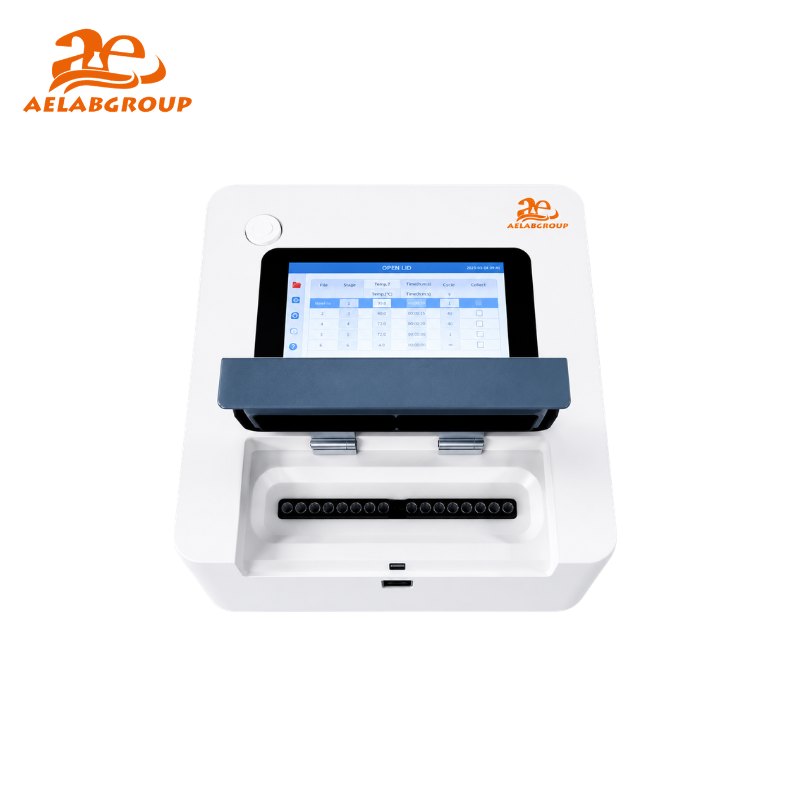
AELAB PCR, Real-Time PCR and qPCR Systems

- Product Detail
- Company Profile
- DNA amplification for molecular biology research
- Gene expression analysis and relative quantification
- Detection and analysis of microbial genetic material
- Genotyping and mutation-related research
- Pathogen detection in research and testing laboratories
- Food authenticity, GMO and food safety analysis
- Plant genetics and agricultural biotechnology research
- Environmental DNA and microbial monitoring studies
- Veterinary and animal science research
- Biopharmaceutical research and quality control
- Teaching and training in molecular biology laboratories
- Verification of nucleic acid extraction and purification results
- Required PCR method: conventional, gradient or real-time PCR
- Number of samples per run
- Required tube, strip or plate format
- Typical reaction volume
- Required fluorescence dyes and detection channels
- Need for gradient temperature control
- Required analysis functions
- Laboratory, field or mobile testing environment
- Destination country and required power supply
- Required accessories, software or consumables
- Standard PCR, gradient PCR and real-time PCR product options
- Solutions for routine amplification and PCR method development
- Compact and benchtop configurations for different laboratory spaces
- Models for research, education, biotechnology and testing laboratories
- Gradient systems for annealing-temperature and primer optimization
- Real-time fluorescence detection options for quantitative analysis
- Technical model-selection assistance before quotation
- Support for distributors, laboratories and international customers
- Export packaging and worldwide shipping assistance
- Configuration and power-supply support according to destination
AELAB PCR, Real-Time PCR and qPCR Systems
AELAB supplies PCR thermal cyclers, gradient PCR systems and real-time quantitative PCR instruments for molecular biology laboratories, biotechnology research, genetic analysis, clinical research, food safety testing, agricultural science and other nucleic acid analysis applications.
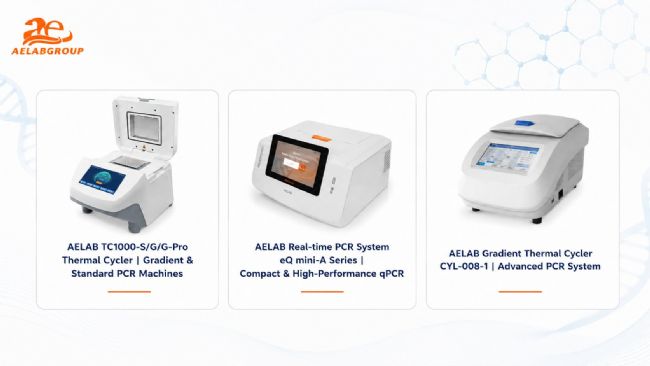
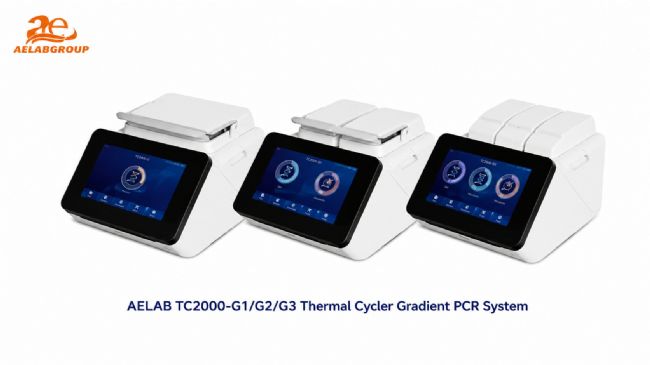
The AELAB PCR product range includes standard thermal cyclers for routine DNA amplification, gradient thermal cyclers for protocol optimization and real-time PCR systems for amplification monitoring and quantitative nucleic acid analysis.
Laboratories can compare available AELAB models according to sample throughput, reaction format, gradient capability, fluorescence channels, temperature control performance, software functions and required PCR workflow.
Explore AELAB PCR and Real-Time PCR Systems
Compare standard PCR thermal cyclers, gradient PCR instruments and real-time quantitative PCR systems for different laboratory requirements.
Available PCR System Types
| System Type | Typical Function and Application |
|---|---|
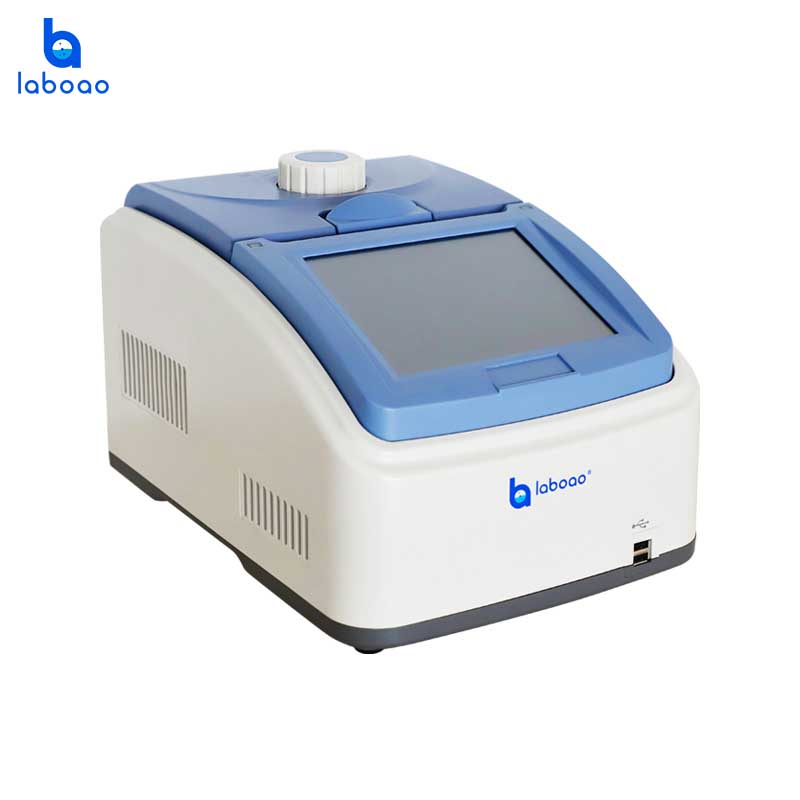
| Standard PCR Thermal Cycler | Performs programmed heating and cooling cycles for conventional amplification of specific DNA sequences. |
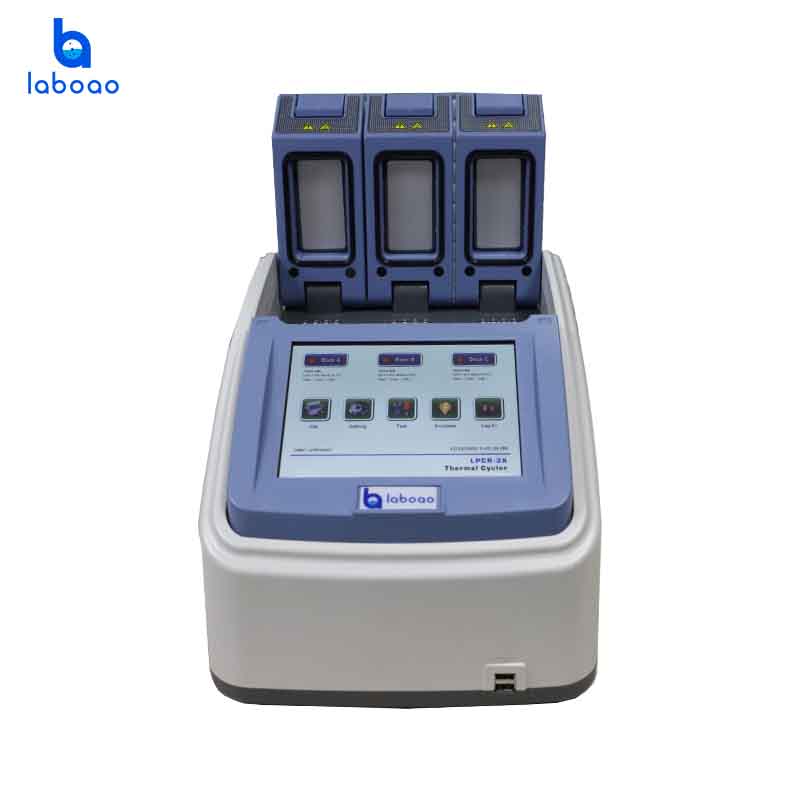
| Gradient PCR Thermal Cycler | Allows different annealing temperatures to be evaluated during the same run for primer optimization and PCR method development. |
| Real-Time PCR System | Monitors nucleic acid amplification through fluorescence detection during each PCR cycle. |
| Quantitative PCR System | Supports quantitative DNA or RNA analysis using amplification curves, threshold values and compatible quantitative analysis methods. |
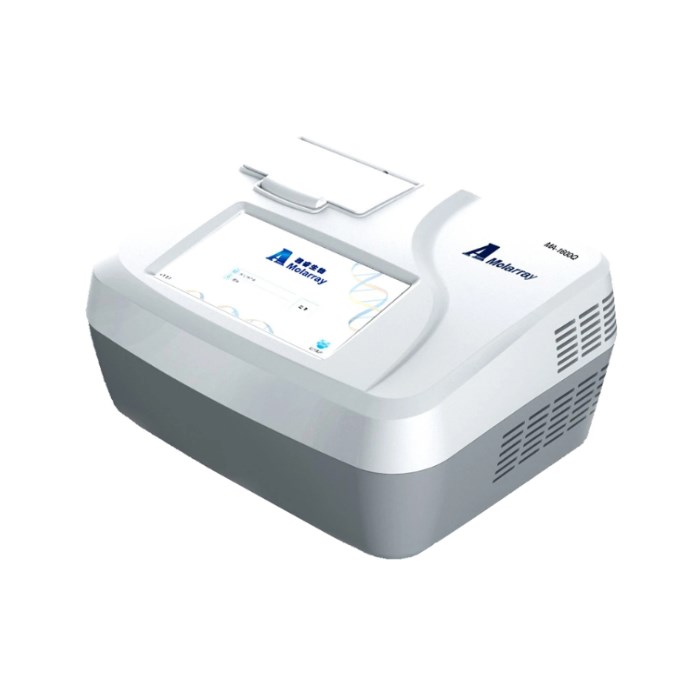
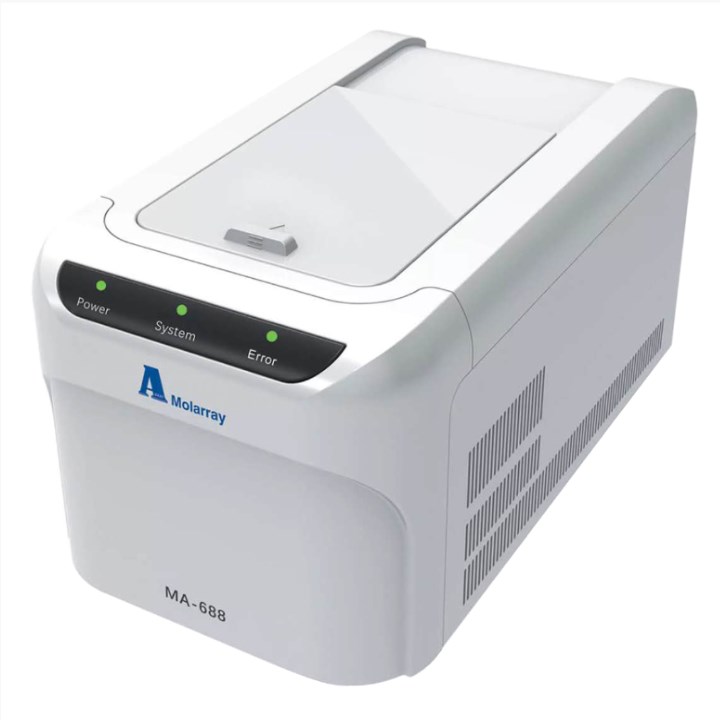
| Compact Real-Time PCR System | Designed for laboratories requiring a smaller footprint, lower sample throughput or portable molecular testing capability. |
How PCR Amplification Works
1. Denaturation
The double-stranded DNA template is heated so that the two strands separate.
2. Annealing
The reaction temperature is reduced to allow primers to bind to their complementary DNA sequences.
3. Extension
DNA polymerase extends the primers and synthesizes new complementary DNA strands.
These stages are repeated over multiple programmed cycles. In real-time PCR, fluorescence signals are measured during amplification so that the increase in PCR product can be monitored and analyzed.
Typical PCR and qPCR Applications
Standard PCR vs. Real-Time PCR
| Comparison Factor | Standard PCR | Real-Time PCR / qPCR |
|---|---|---|
| Detection Method | Amplified products are normally examined after completion of the PCR run. | Fluorescence signals are monitored throughout the amplification process. |
| Main Result | Confirms whether the target DNA sequence has been amplified. | Supports detection and quantitative or comparative analysis of the target sequence. |
| Common Use | Routine amplification, cloning checks, teaching and general molecular biology. | Gene expression, nucleic acid quantification and fluorescence-based molecular testing. |
| Optical Detection | Not normally required during thermal cycling. | Requires an integrated fluorescence excitation and detection system. |
| Data Analysis | Usually requires downstream product analysis. | Uses amplification curves and software-based result analysis. |
How to Select the Right PCR System
Selecting a PCR instrument should be based on the laboratory workflow rather than only on instrument size or price. Users should first determine whether they require conventional amplification, gradient optimization or real-time fluorescence detection.
| Selection Factor | Questions to Consider |
|---|---|
| PCR Method | Does the laboratory require standard PCR, gradient PCR, real-time PCR or quantitative PCR? |
| Sample Throughput | How many samples must be processed during each run and each working day? |
| Tube and Plate Format | Which reaction tubes, strips or plates are used in the current laboratory workflow? |
| Gradient Function | Is temperature-gradient capability required for primer screening or annealing-temperature optimization? |
| Fluorescence Channels | How many fluorescent targets or dyes must be detected during the same reaction? |
| Reaction Volume | What minimum and maximum reaction volumes are required by the selected assay? |
| Heating and Cooling | What level of cycling speed, temperature uniformity and temperature accuracy is required? |
| Software Functions | Are standard curves, melting curves, relative quantification or other analysis functions needed? |
| Independent Operation | Should the instrument operate independently, or will it be controlled through an external computer? |
| Laboratory Space | Is a compact benchtop instrument required for a small laboratory, mobile laboratory or limited workspace? |
View the complete AELAB PCR, real-time PCR and qPCR product range and technical specifications
PCR System Recommendations by Laboratory Requirement
| Laboratory Requirement | Recommended System Category |
|---|---|
| Routine DNA amplification | Standard PCR thermal cycler |
| Primer and annealing-temperature optimization | Gradient PCR thermal cycler |
| Small-throughput fluorescence-based PCR | Compact real-time PCR system |
| DNA or RNA quantification | Real-time quantitative PCR system |
| Multiplex molecular analysis | Real-time PCR system with suitable fluorescence channels |
| Educational molecular biology laboratory | Standard, gradient or compact real-time PCR system depending on course requirements |
Information Required for Model Selection
To receive a suitable PCR system recommendation, customers should provide the following information:
Why Choose AELAB PCR Systems?
About AELAB
AELAB is a laboratory equipment brand and scientific instrument supplier based in Guangzhou, China. The company provides analytical instruments, life science equipment, environmental testing systems, pharmaceutical testing instruments and general laboratory solutions for customers worldwide.
AELAB supports distributors, universities, research organizations, biotechnology laboratories, testing centers and industrial customers with product selection, technical information, quotations and international supply services.
Official website: www.aelabgroup.com
Frequently Asked Questions
What types of PCR instruments does AELAB supply?
AELAB supplies standard PCR thermal cyclers, gradient thermal cyclers, compact real-time PCR systems and quantitative real-time PCR instruments.
What is the advantage of a gradient PCR system?
A gradient PCR system allows multiple annealing temperatures to be tested during one run, helping laboratories optimize primers and PCR conditions more efficiently.
What is the difference between PCR and real-time PCR?
Conventional PCR performs nucleic acid amplification through programmed thermal cycles, while real-time PCR also measures fluorescence during amplification to monitor the reaction as it progresses.
Can real-time PCR be used for DNA and RNA analysis?
Real-time PCR can be used for DNA analysis. RNA workflows generally require reverse transcription to convert RNA into complementary DNA before PCR amplification.
How many fluorescence channels are required?
The required number of channels depends on the fluorescent dyes, probes and number of targets that must be detected in the same reaction.
Is a compact real-time PCR system suitable for small laboratories?
A compact real-time PCR system can be suitable for laboratories with limited benchtop space, smaller sample batches, educational applications or mobile testing requirements.
Can AELAB recommend a PCR model based on my application?
Yes. Customers can send their required PCR method, sample throughput, reaction format, fluorescence channels, assay type and destination country. The AELAB team can then recommend suitable models and prepare a quotation.
Request PCR Model Recommendation, Price and Technical Proposal
Tell the AELAB technical sales team whether you require a standard thermal cycler, gradient PCR system or real-time PCR instrument. Include your expected sample throughput, reaction format, fluorescence requirements and intended application.
The technical proposal can include suitable model recommendations, available specifications, optional accessories, delivery time, packaging and shipping information.
View AELAB PCR and qPCR Models
Email: info@aelabgroup.com
WhatsApp / WeChat: +86 158 0001 6110
Website: www.aelabgroup.com
-
AELAB GUANGZHOU CO., LTD.
AELAB is a laboratory equipment and analytical instrument supplier based in Guangzhou, China. We provide laboratory instruments, quality control equipment, analytical systems, sample preparation equipment, and related laboratory solutions for distributors, industrial laboratories, universities, research organizations, and testing centers worldwide.
AELAB offers both our own-brand products and carefully selected instruments from established manufacturers. OEM and ODM services are available for selected AELAB products, including customized branding, appearance, configuration, power supply, accessories, packaging, and documentation according to customer requirements.
For laboratory projects, distributor orders, government tenders, and complete laboratory setups, our team can provide a one-stop purchasing solution. We assist customers with product selection, technical comparison, quotation preparation, sourcing, quality inspection, export packaging, shipping coordination, and after-sales support.
Our technical team helps customers select suitable equipment based on their application, testing method, required specifications, budget, and local standards. Warranty and technical support are provided according to the product and project requirements.
AELAB operates under an established quality management system. Relevant company and product documentation may include SGS verification, ISO certification, CE, RoHS, FCC, or UL-related documentation, depending on the specific product model and configuration. Customers may contact us to confirm the available certificates before ordering.
Our equipment is widely used in industrial quality control, scientific research, universities, pharmaceutical laboratories, food and agricultural testing, environmental analysis, chemical laboratories, and other professional testing applications.
We are committed to developing long-term cooperation with distributors, laboratories, research institutions, and project contractors. If you are looking for a reliable laboratory equipment supplier with stable service and technical support, please contact AELAB.
Contact AELAB
Website:
https://aelabgroup.com
Email:
info@aelabgroup.com
WhatsApp / WeChat:
+86 15800016110
| Request Information |
| Other Products |
| Recently viewed products |