 中文
中文


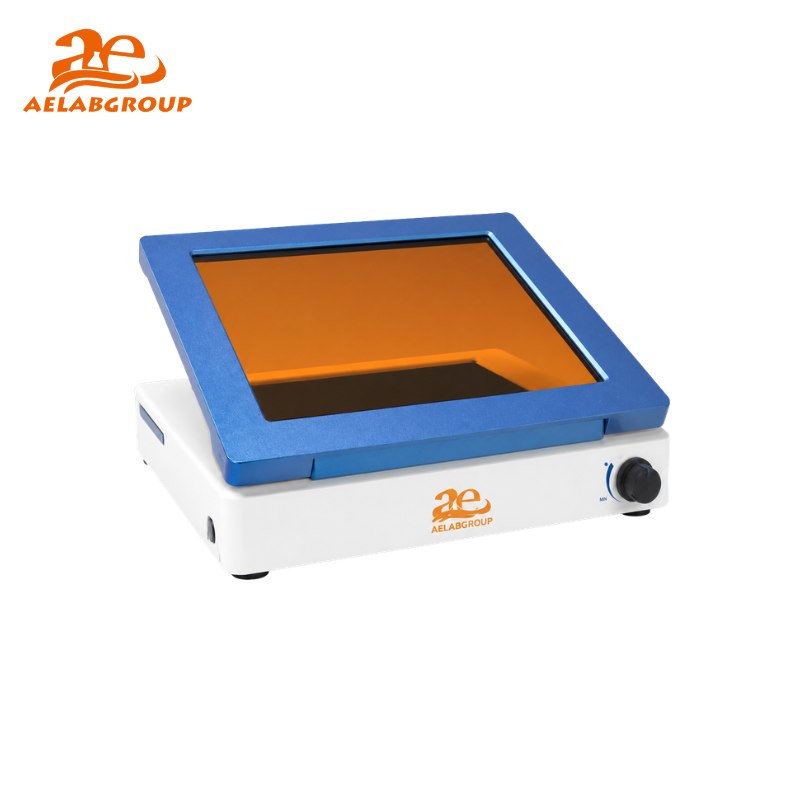
AELAB UV and Blue Light Transilluminators for Gel Visualization

- Product Detail
- Company Profile
- DNA and RNA gel visualization
- Agarose gel observation after electrophoresis
- Molecular biology and genetics research
- PCR product verification
- Nucleic acid band observation
- Gel band cutting and sample recovery workflows
- Fluorescent stain visualization
- Biotechnology and life science research
- University teaching and research laboratories
- Clinical and biological research laboratories
- Microbiology and biomedical research
- Routine electrophoresis quality checking
- Required UV or blue light illumination technology
- Type and brand of fluorescent stain
- Gel type and maximum gel dimensions
- DNA, RNA or other sample type
- Whether gel bands will be cut and recovered
- Required viewing area
- Need for a dark box or open viewing surface
- Need for image capture or gel documentation
- Expected daily sample volume
- Required voltage, frequency and plug type
- Destination country
- UV and blue light solutions for different gel visualization workflows
- Models for molecular biology, biotechnology and educational laboratories
- Dark box, compact analyzer and transilluminator configurations
- Solutions for DNA, RNA and electrophoresis gel observation
- Different viewing configurations according to laboratory requirements
- Model-selection assistance before quotation
- Technical specification and application support
- International supply and export packaging support
- Shipping assistance for distributors and laboratory customers
- Power supply and plug configuration support where available
AELAB supplies UV and blue light transilluminators designed for gel observation, nucleic acid research, molecular biology laboratories, PCR workflows, electrophoresis analysis and educational laboratory applications.
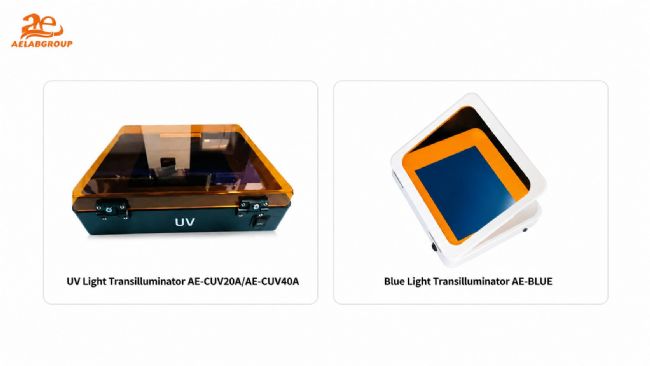
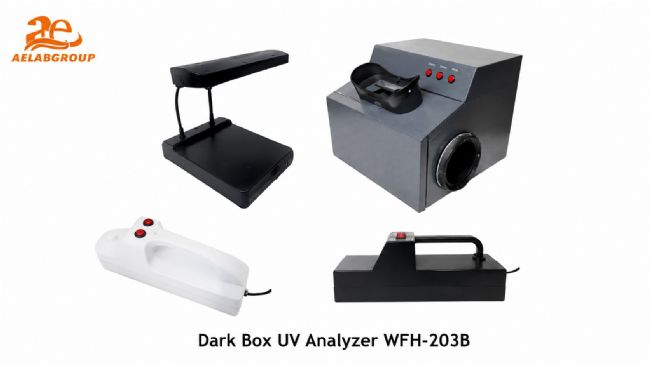
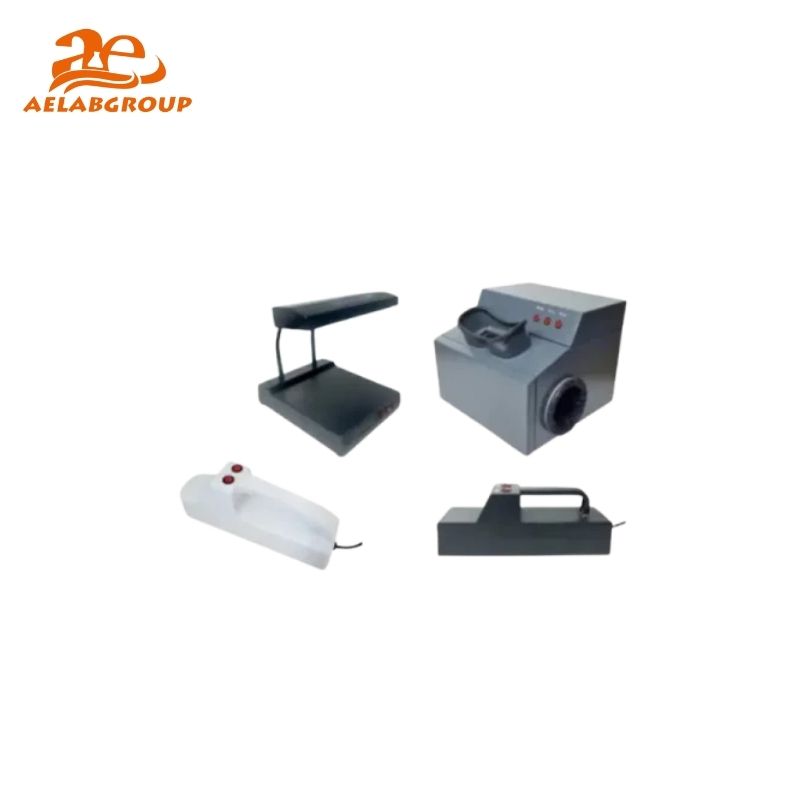
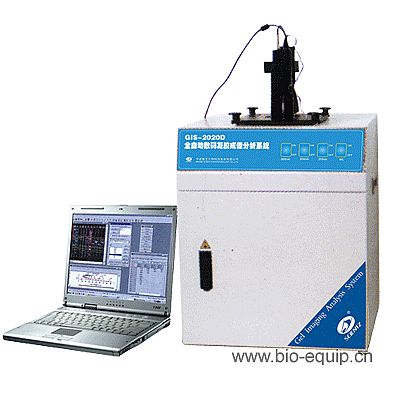
The available product range includes dark box UV analyzers, compact UV analyzers, blue light transilluminators and UV light transilluminator systems. Different configurations are available to support routine visualization of stained DNA and RNA gels, depending on the selected model, staining method and laboratory workflow.
Users can compare AELAB models according to illumination technology, sample type, gel size, viewing requirements, laboratory safety considerations and compatibility with the selected fluorescent stain.
Compare UV analyzers, blue light transilluminators, dark box systems and gel visualization solutions available from AELAB.
| Product Type | Typical Laboratory Use |
|---|---|
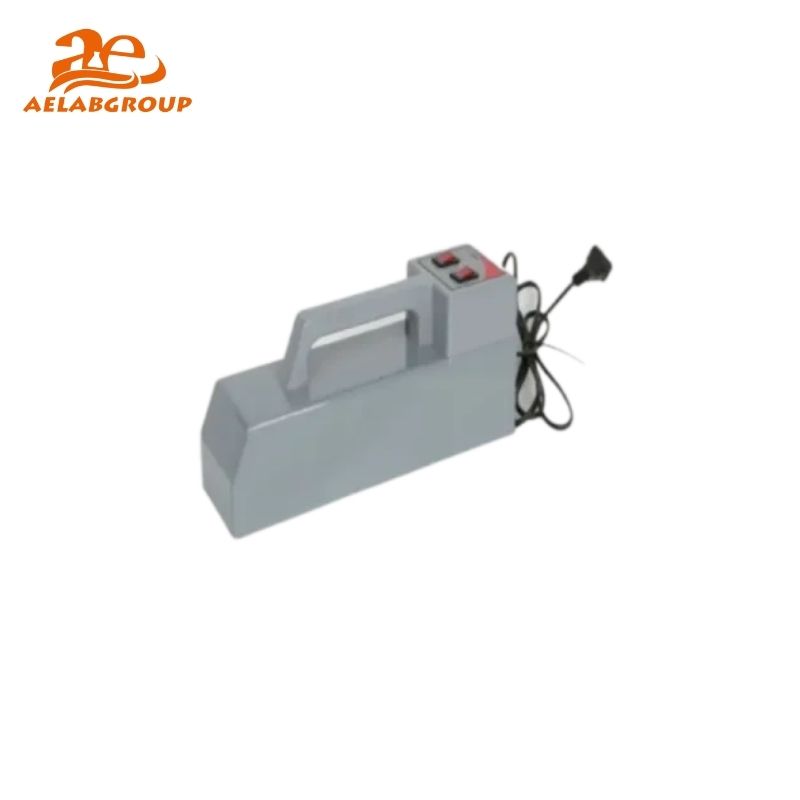
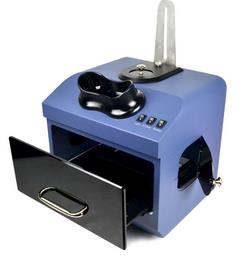
| UV Transilluminator | Used to illuminate fluorescently stained electrophoresis gels for DNA, RNA and molecular biology research. |
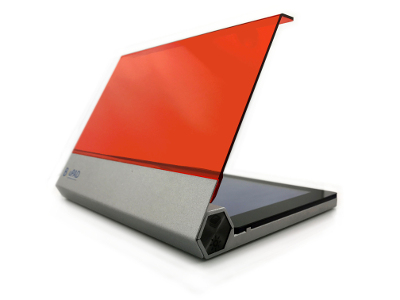
| Blue Light Transilluminator | Provides blue light illumination for compatible fluorescent stains and applications where reduced UV exposure is preferred. |
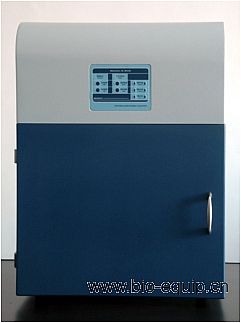
| Dark Box UV Analyzer | Creates a controlled dark viewing environment to improve visualization of fluorescent samples and electrophoresis gels. |
| Compact UV Analyzer | Suitable for routine gel checking, educational laboratories and molecular biology workflows requiring a compact system. |
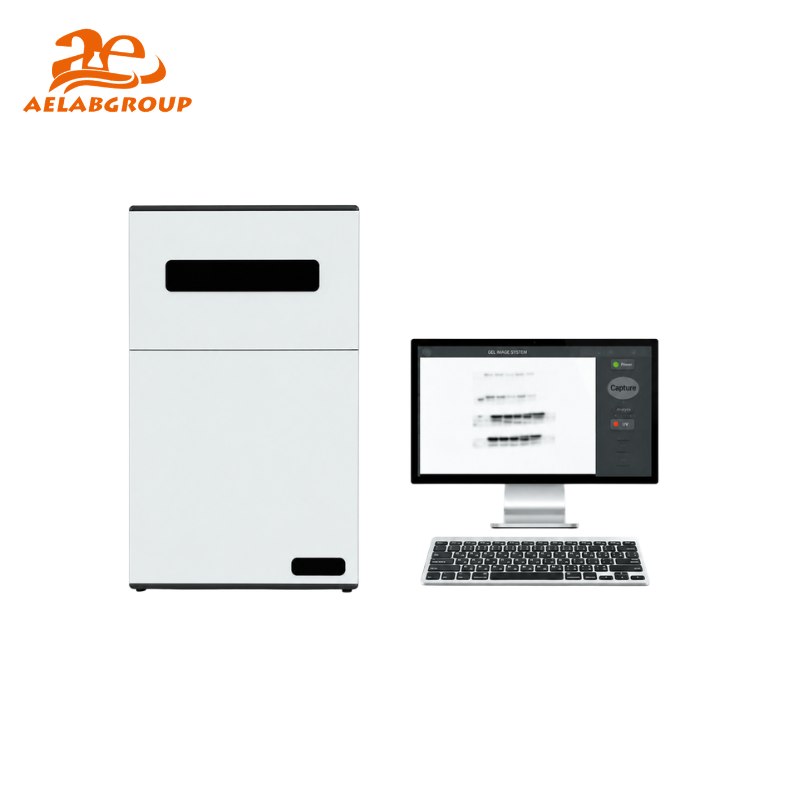
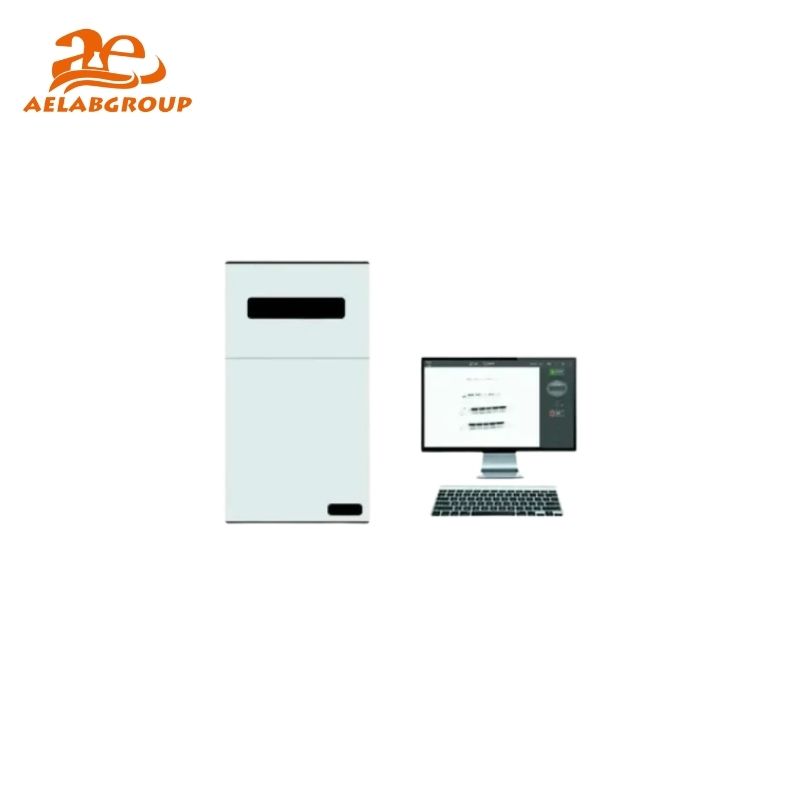
| UV Viewing and Analysis System | Supports laboratory observation and evaluation of fluorescent biological samples according to the selected configuration. |
UV and blue light systems are both used for fluorescent gel observation, but the correct choice depends on the selected stain, sample sensitivity, laboratory method and required workflow.
| Comparison | UV Light System | Blue Light System |
|---|---|---|
| Typical Use | Observation of gels prepared with UV-compatible fluorescent stains. | Observation of gels prepared with compatible blue light fluorescent stains. |
| Sample Exposure | UV exposure should be controlled, especially when DNA bands will be recovered for downstream applications. | Frequently selected when laboratories want to reduce direct UV exposure to samples and operators. |
| Stain Compatibility | Must be selected according to the excitation requirements of the UV-compatible stain. | Requires a stain that can be excited effectively by blue light. |
| Selection Priority | UV wavelength, viewing area, safety cover and gel size. | Blue light wavelength range, viewing area, filter compatibility and stain type. |
Typical Gel Visualization Workflow
Prepare the agarose or other compatible electrophoresis gel.
Separate DNA or RNA fragments using the selected electrophoresis procedure.
Place the stained gel on the suitable UV or blue light viewing surface.
Observe, document or recover the required fluorescent bands.
Selecting a transilluminator should begin with the fluorescent stain and excitation method used in the laboratory. Users should also consider gel dimensions, viewing area, sample sensitivity, illumination uniformity, operating environment and the need for image documentation.
| Selection Factor | Questions to Consider |
|---|---|
| Illumination Type | Does the laboratory method require UV light, blue light or access to both illumination technologies? |
| Fluorescent Stain | Is the selected stain compatible with the wavelength or illumination range of the instrument? |
| Viewing Area | What are the dimensions of the gels or samples that must be placed on the viewing surface? |
| Sample Sensitivity | Will the illuminated DNA bands be excised and used in cloning, sequencing or another downstream procedure? |
| Viewing Configuration | Is an open viewing surface sufficient, or is a dark box or enclosed observation system preferred? |
| Illumination Uniformity | Does the application require consistent illumination across the complete gel surface? |
| Image Documentation | Will users only observe the gel, or is photography and digital image documentation also required? |
| Operator Protection | What protective cover, viewing shield or enclosure is required for the selected illumination technology? |
| Laboratory Space | Is a compact benchtop analyzer required, or is sufficient space available for a larger dark box system? |
| Power Supply | What electrical voltage and plug configuration are required in the destination country? |
Information Required for Model Recommendation
To receive a suitable model recommendation, provide the following information to the AELAB technical sales team:
UV illumination can present risks to the eyes and skin. Appropriate protective covers, viewing shields, laboratory procedures and personal protective measures should be used according to the instrument instructions and the laboratory safety policy.
The viewing surface should be kept clean to prevent fluorescence interference and cross-contamination. Gels, buffers and staining residues should be removed after use according to the laboratory cleaning procedure.
Before operation, users should confirm that the selected fluorescent stain is compatible with the illumination technology and wavelength range of the chosen model.
AELAB is a laboratory equipment brand and supplier based in Guangzhou, China. AELAB provides analytical instruments, life science equipment, laboratory systems and quality control solutions for distributors, universities, research organizations, medical laboratories and industrial customers worldwide.
The AELAB product portfolio includes life science research equipment, analytical instruments, laboratory equipment, environmental testing systems, pharmaceutical testing instruments, sample preparation equipment and customized laboratory solutions.
Official website: www.aelabgroup.com
What is a UV transilluminator used for?
A UV transilluminator is used to illuminate fluorescently stained gels and samples. A common application is observing DNA or RNA bands after gel electrophoresis.
What is the difference between a UV and blue light transilluminator?
The primary difference is the illumination technology and compatible fluorescent stains. UV systems use ultraviolet light, while blue light systems use visible blue illumination and require compatible stains.
Can a blue light transilluminator be used with every gel stain?
No. The stain must have an excitation profile compatible with the blue light produced by the instrument. Stain compatibility should be checked before selecting a model.
Which system is suitable for gel band cutting?
The appropriate system depends on the stain, sample sensitivity and downstream procedure. Blue light is often considered when reducing UV exposure to recovered DNA is important, provided the stain is compatible.
Does AELAB supply dark box UV analyzers?
Yes. The AELAB category includes the WFH-203B Dark Box UV Analyzer for fluorescent sample and gel observation in a controlled viewing environment.
What gel size can be used with an AELAB transilluminator?
The acceptable gel size depends on the viewing area of the selected model. Customers should compare their maximum gel dimensions with the technical specifications before ordering.
Can AELAB recommend a suitable model?
Yes. Send the illumination type, fluorescent stain, gel size, sample type, viewing requirements, destination country and required power supply. AELAB can then recommend suitable models and prepare a quotation.
Tell the AELAB technical sales team whether you require UV or blue light illumination, your fluorescent stain, maximum gel dimensions, sample type, viewing configuration and image documentation requirements.
A technical proposal can include suitable models, available specifications, optional configurations, delivery time, export packaging and shipping information.
View AELAB UV and Blue Light Models
Email: info@aelabgroup.com
WhatsApp / WeChat: +86 158 0001 6110
Website: www.aelabgroup.com
-
AELAB GUANGZHOU CO., LTD.
AELAB is a laboratory equipment and analytical instrument supplier based in Guangzhou, China. We provide laboratory instruments, quality control equipment, analytical systems, sample preparation equipment, and related laboratory solutions for distributors, industrial laboratories, universities, research organizations, and testing centers worldwide.
AELAB offers both our own-brand products and carefully selected instruments from established manufacturers. OEM and ODM services are available for selected AELAB products, including customized branding, appearance, configuration, power supply, accessories, packaging, and documentation according to customer requirements.
For laboratory projects, distributor orders, government tenders, and complete laboratory setups, our team can provide a one-stop purchasing solution. We assist customers with product selection, technical comparison, quotation preparation, sourcing, quality inspection, export packaging, shipping coordination, and after-sales support.
Our technical team helps customers select suitable equipment based on their application, testing method, required specifications, budget, and local standards. Warranty and technical support are provided according to the product and project requirements.
AELAB operates under an established quality management system. Relevant company and product documentation may include SGS verification, ISO certification, CE, RoHS, FCC, or UL-related documentation, depending on the specific product model and configuration. Customers may contact us to confirm the available certificates before ordering.
Our equipment is widely used in industrial quality control, scientific research, universities, pharmaceutical laboratories, food and agricultural testing, environmental analysis, chemical laboratories, and other professional testing applications.
We are committed to developing long-term cooperation with distributors, laboratories, research institutions, and project contractors. If you are looking for a reliable laboratory equipment supplier with stable service and technical support, please contact AELAB.
Contact AELAB
Website:
https://aelabgroup.com
Email:
info@aelabgroup.com
WhatsApp / WeChat:
+86 15800016110
| Request Information |
| Other Products |
| Related Products |
| Recently viewed products |