中文
中文


AELAB Rotary Evaporators – Laboratory, Digital, Pilot & High-Capacity Series

- Product Detail
- Company Profile
- The liquid sample is placed inside an evaporation flask.
- A vacuum system lowers the pressure inside the evaporation assembly.
- The flask rotates in a temperature-controlled heating bath.
- Rotation spreads the liquid across the inner surface of the flask and increases the evaporation area.
- The evaporated solvent travels toward the condenser.
- Cooling water or another coolant condenses the vapor.
- The recovered solvent is collected in a receiving flask.
- Rotary drive: Rotates the evaporation flask at a controlled speed.
- Evaporation flask: Holds the liquid sample during solvent removal.
- Heating bath: Supplies controlled thermal energy for evaporation.
- Condenser: Cools the solvent vapor and converts it back into liquid.
- Receiving flask: Collects the recovered solvent.
- Vacuum seal: Maintains reduced pressure while allowing flask rotation.
- Lift mechanism: Raises or lowers the evaporation flask relative to the bath.
- Vacuum pump: Produces the reduced-pressure operating environment.
- Cooling circulator: Supplies coolant to the condenser when required.
- Vacuum controller: Regulates system pressure for controlled evaporation.
- Multiple configurations for routine, research, pilot-scale and higher-capacity applications
- Solutions for solvent evaporation, sample concentration, purification and recovery
- Digital and adjustable operating controls depending on the selected configuration
- Different evaporation flask capacities for varied laboratory workloads
- Options suitable for integration with vacuum pumps and cooling circulators
- Model-selection assistance based on application and sample volume
- Support for distributors, universities, research laboratories and industrial users
- International supply, export packaging and shipping support
- Inspect all glassware for cracks, chips or damage before operation.
- Confirm that vacuum tubing and seals are correctly connected and compatible with the solvent.
- Avoid overfilling the evaporation flask.
- Select a suitable rotation speed to reduce bumping and improve film formation.
- Use an appropriate bath temperature for the solvent and sample.
- Maintain sufficient cooling flow through the condenser.
- Vent the system gradually before removing the evaporation flask.
- Clean the evaporation flask, condenser and receiving flask after use.
- Replace worn seals and vacuum components when leakage is observed.
- Follow the operating instructions supplied with the selected model and accessories.
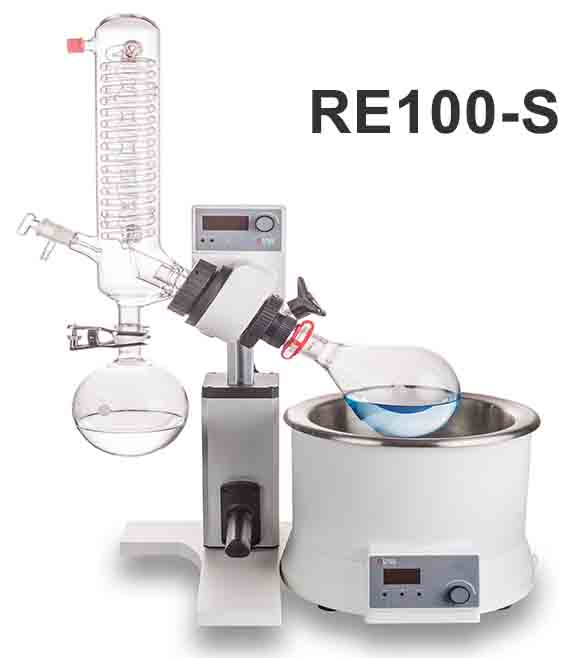
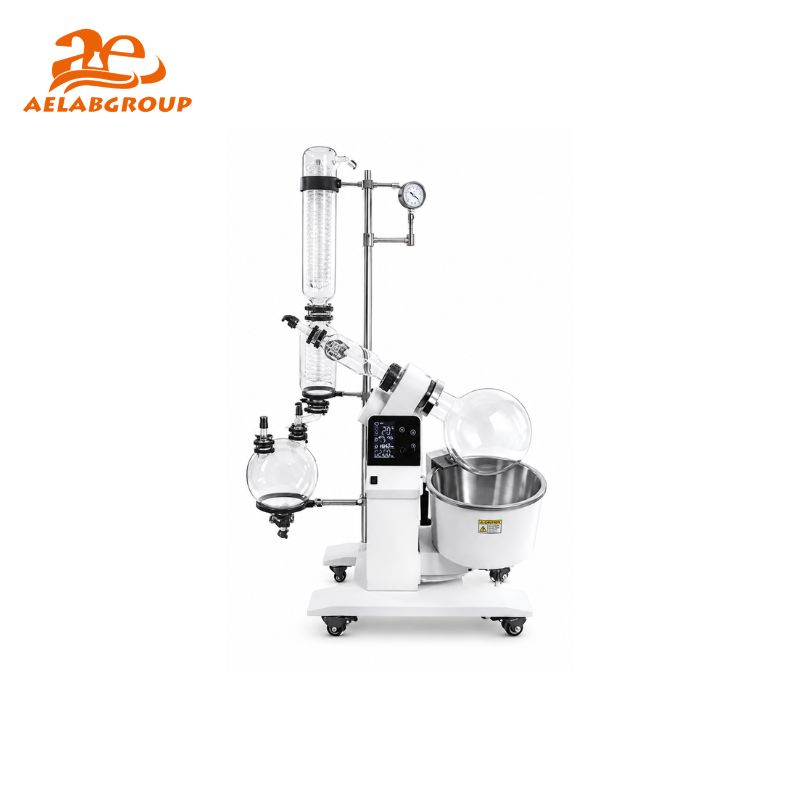
AELAB provides rotary evaporator systems for controlled solvent evaporation, sample concentration, purification, distillation and solvent recovery in research, pharmaceutical, chemical, food, environmental and industrial laboratories.
Rotary evaporators combine controlled flask rotation, heating, condensation and reduced-pressure operation to remove volatile solvents efficiently while limiting the thermal exposure of sensitive samples.
The AELAB range includes compact laboratory rotary evaporators, digital systems, pilot-scale units, high-capacity industrial configurations and related concentration equipment for different sample volumes and laboratory workflows.
Compare laboratory, digital, pilot-scale and high-capacity rotary evaporator systems according to flask volume, temperature range, rotation control and solvent recovery requirements.
What Is a Rotary Evaporator?
A rotary evaporator, often called a rotovap, is a laboratory system used to remove volatile solvents from liquid samples under reduced pressure. Lowering the internal pressure reduces the solvent boiling point, allowing evaporation to take place at a lower temperature.
During operation, the sample flask rotates inside a temperature-controlled bath. Rotation increases the liquid surface area and forms a thin film inside the flask, supporting faster and more uniform evaporation. The resulting vapor passes into a condenser, where it is cooled and collected in a receiving flask.
Available Rotary Evaporator Configurations
| Configuration | Typical Application |
|---|---|
| Compact Laboratory Rotary Evaporator | Routine evaporation, concentration and solvent removal for small laboratory samples. |
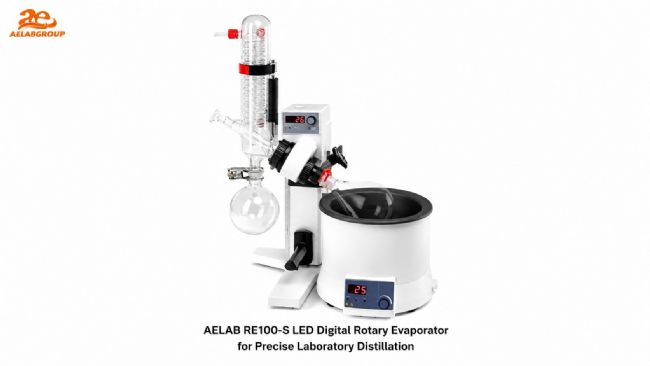
| Digital Rotary Evaporator | Applications requiring convenient adjustment and monitoring of rotation speed, bath temperature and operating conditions. |
| Automatic-Lift Rotary Evaporator | Laboratory workflows requiring easier flask positioning and faster removal from the heating bath. |
| Pilot-Scale Rotary Evaporator | Process development, scale-up studies, botanical extraction and medium-volume solvent recovery. |
| High-Capacity Rotary Evaporator | Larger-volume concentration, purification and solvent recycling in production, research and industrial laboratories. |
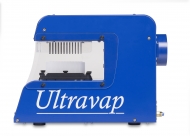
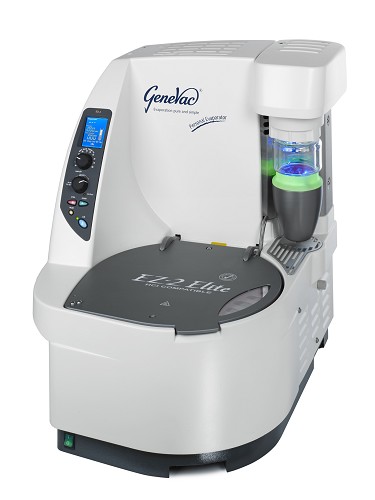
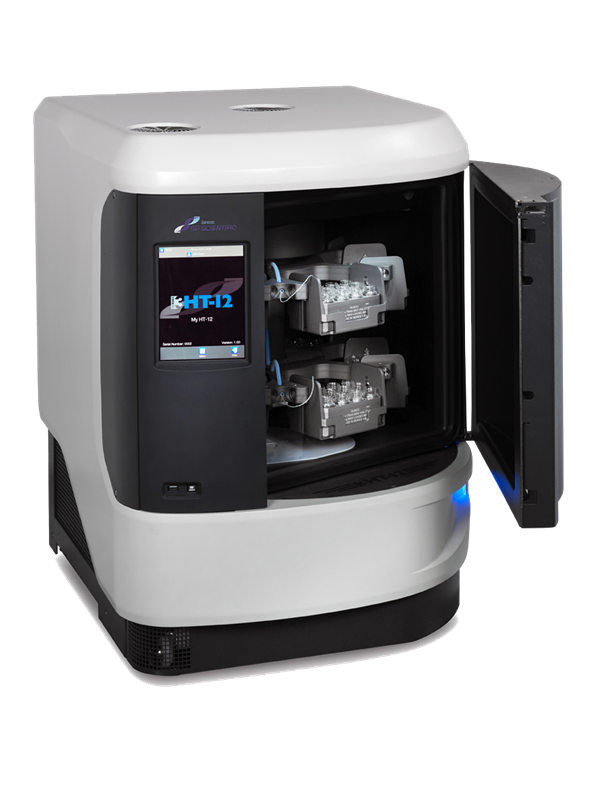
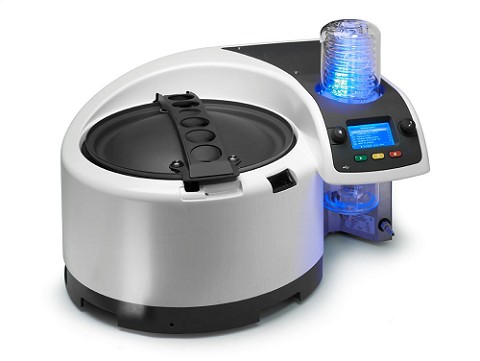
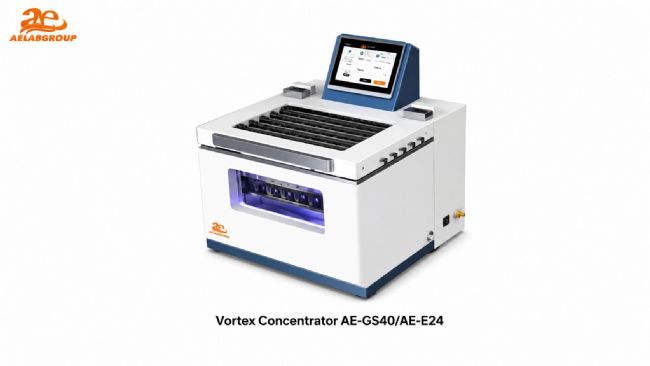
| Vacuum Concentration System | Parallel or specialized concentration of samples where efficient solvent removal is required. |
Typical Applications
Concentration of extracts, removal of reaction solvents, purification workflows and sample preparation.
Solvent evaporation after synthesis, reaction mixture concentration and recovery of reusable solvents.
Concentration of flavors, fragrances, natural extracts, oils and other temperature-sensitive compounds.
Concentration of extraction solvents before instrumental analysis of residues, pollutants and contaminants.
Concentration of plant, botanical and agricultural extracts under controlled conditions.
General solvent removal, sample preparation, purification and experimental method development.
How a Rotary Evaporator Works
How to Select the Right Rotary Evaporator
Selecting a rotary evaporator should be based on sample volume, solvent characteristics, required evaporation speed, temperature sensitivity, condenser performance, vacuum requirements and the expected laboratory workload.
| Selection Factor | Questions to Consider |
|---|---|
| Evaporation Flask Capacity | What is the normal sample volume, and how much free flask volume is required to prevent splashing or bumping? |
| Sample Throughput | Will the unit be used occasionally, continuously or for larger pilot-scale batches? |
| Heating Bath Range | What bath temperature is required for the solvents and samples used in the laboratory? |
| Rotation Speed | Is adjustable rotation required to optimize thin-film formation and evaporation efficiency? |
| Condenser Design | Is a vertical, diagonal or application-specific condenser arrangement more suitable for the available workspace? |
| Vacuum Control | Is basic vacuum operation sufficient, or is precise pressure regulation required for sensitive or mixed solvents? |
| Lift Mechanism | Is a manual or automatic lift preferred for rapid flask removal and improved operating convenience? |
| Solvent Compatibility | Are the glassware, seals, tubing and vacuum components compatible with the solvents being processed? |
| Available Laboratory Space | Does the installation area have enough bench or floor space for the evaporator, vacuum pump, chiller and accessories? |
| Safety Requirements | Are over-temperature protection, dry-heating prevention, secure glassware support or additional safety features required? |
Main Components of a Rotary Evaporator System
AELAB Rotary Evaporator Product Families
Designed for routine evaporation, solvent removal and sample concentration in chemical, pharmaceutical, academic and quality-control laboratories.
Suitable for users requiring convenient digital adjustment of operating parameters and repeatable control of laboratory evaporation processes.
Developed for scale-up studies, medium-volume solvent recovery, botanical processing and process-development laboratories.
Intended for larger batches and higher-throughput solvent recovery where greater flask capacity and process efficiency are required.
Available for specialized sample-concentration workflows and applications requiring controlled removal of solvents from one or multiple samples.
Rotary Evaporation Compared with Other Methods
| Method | Best Suited For | Main Consideration |
|---|---|---|
| Rotary Evaporator | Controlled evaporation and recovery of volatile solvents from liquid samples. | Requires suitable vacuum and cooling support. |
| Simple Distillation | Basic separation of liquids with sufficiently different boiling points. | Generally provides less surface area and may require higher temperatures. |
| Vacuum Oven | Drying solid materials or removing residual moisture and solvents. | Not normally selected for rapid recovery of bulk liquid solvents. |
| Freeze Dryer | Drying frozen, biological or highly temperature-sensitive materials. | Uses a different process and normally requires more time. |
| Nitrogen Evaporator | Concentrating multiple small-volume samples. | Recovered solvent is generally not collected for reuse. |
Why Choose AELAB Rotary Evaporators?
Operation and Maintenance Considerations
AELAB is a laboratory equipment and scientific instrument supplier based in Guangzhou, China. The company provides laboratory, analytical, environmental, pharmaceutical, life-science and quality-control equipment for distributors, research organizations, universities and industrial laboratories.
AELAB supports customers with equipment selection, technical specifications, quotation preparation, export packaging and international shipping.
Official website: www.aelabgroup.com
Frequently Asked Questions
What is a rotary evaporator used for?
A rotary evaporator is used for controlled removal of volatile solvents, concentration of liquid samples, purification of extracts and recovery of solvents for reuse or disposal.
Why does a rotary evaporator operate under vacuum?
Reduced pressure lowers the boiling point of the solvent, allowing it to evaporate at a lower bath temperature and reducing thermal stress on sensitive samples.
Does a rotary evaporator require a vacuum pump?
A suitable vacuum source is normally required for reduced-pressure evaporation. The required pump type depends on the solvent, system capacity, target pressure and operating workflow.
Is a cooling circulator required?
A cooling-water supply or recirculating chiller is commonly used to remove heat from the condenser and improve solvent recovery. The cooling requirement depends on the solvent and evaporation load.
How should the correct flask capacity be selected?
Select a capacity that accommodates the normal sample volume while leaving sufficient empty space for safe rotation, film formation and control of foaming or bumping.
Can a rotary evaporator recover solvents?
Yes. Evaporated solvent can be condensed and collected in the receiving flask when appropriate operating, vacuum and cooling conditions are maintained.
Can AELAB recommend a rotary evaporator for my application?
Yes. Send the sample volume, solvent type, required flask capacity, expected throughput, bath-temperature requirement, vacuum preference, power supply and destination country for model-selection support.
Tell the AELAB technical sales team about your solvent type, sample volume, required flask capacity, daily workload, temperature range, vacuum requirements and preferred configuration.
The technical proposal can include suitable rotary evaporator models, specifications, compatible accessories, available configurations, delivery information, export packaging and shipping details.
View AELAB Rotary Evaporator Models
Email: info@aelabgroup.com
WhatsApp / WeChat: +86 158 0001 6110
Website: www.aelabgroup.com
-
AELAB GUANGZHOU CO., LTD.
AELAB is a laboratory equipment and analytical instrument supplier based in Guangzhou, China. We provide laboratory instruments, quality control equipment, analytical systems, sample preparation equipment, and related laboratory solutions for distributors, industrial laboratories, universities, research organizations, and testing centers worldwide.
AELAB offers both our own-brand products and carefully selected instruments from established manufacturers. OEM and ODM services are available for selected AELAB products, including customized branding, appearance, configuration, power supply, accessories, packaging, and documentation according to customer requirements.
For laboratory projects, distributor orders, government tenders, and complete laboratory setups, our team can provide a one-stop purchasing solution. We assist customers with product selection, technical comparison, quotation preparation, sourcing, quality inspection, export packaging, shipping coordination, and after-sales support.
Our technical team helps customers select suitable equipment based on their application, testing method, required specifications, budget, and local standards. Warranty and technical support are provided according to the product and project requirements.
AELAB operates under an established quality management system. Relevant company and product documentation may include SGS verification, ISO certification, CE, RoHS, FCC, or UL-related documentation, depending on the specific product model and configuration. Customers may contact us to confirm the available certificates before ordering.
Our equipment is widely used in industrial quality control, scientific research, universities, pharmaceutical laboratories, food and agricultural testing, environmental analysis, chemical laboratories, and other professional testing applications.
We are committed to developing long-term cooperation with distributors, laboratories, research institutions, and project contractors. If you are looking for a reliable laboratory equipment supplier with stable service and technical support, please contact AELAB.
Contact AELAB
Website:
https://aelabgroup.com
Email:
info@aelabgroup.com
WhatsApp / WeChat:
+86 15800016110
| Request Information |
| Related Products |