 中文
中文


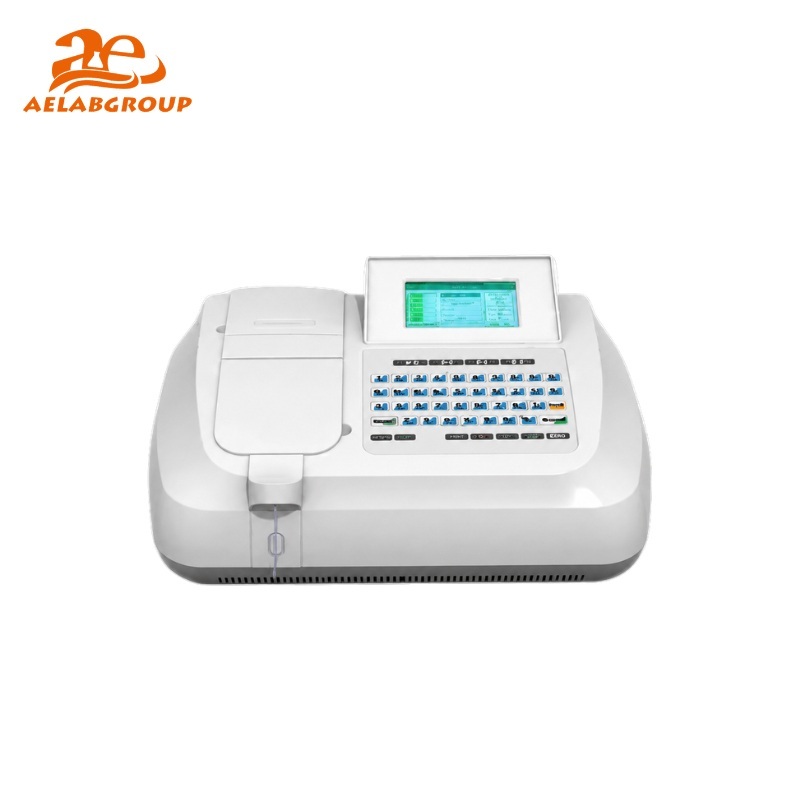
AELAB Semi Auto Chemistry Analyzer Solutions

- Product Detail
- Company Profile
- Clinical chemistry and routine biochemical analysis
- Hospital and diagnostic laboratory testing
- Small and medium-sized medical laboratories
- Life science and biochemical research
- Veterinary diagnostic laboratories
- University teaching and laboratory training
- Research institute testing workflows
- Public health and community laboratory applications
- Method development and reagent evaluation
- Routine photometric measurement of prepared reactions
- Solutions for biochemical, research and routine laboratory applications
- Analyzer configurations for different laboratory workloads
- Support for common photometric chemistry testing methods
- Practical operation for laboratories requiring manual workflow flexibility
- Compact options for limited laboratory bench space
- Model-selection assistance according to test menu and application
- Technical specifications and configuration support before quotation
- International supply and export packaging support
- Voltage and plug configuration support where available
- Communication support for distributors and laboratory buyers
- Required biochemical test menu
- Estimated number of tests per day
- Required analytical methods
- Reagent type or reagent brand, where relevant
- Required wavelengths
- Preferred sample and reagent volumes
- Printer and data connection requirements
- Preferred interface language
- Required voltage and plug type
- Destination country
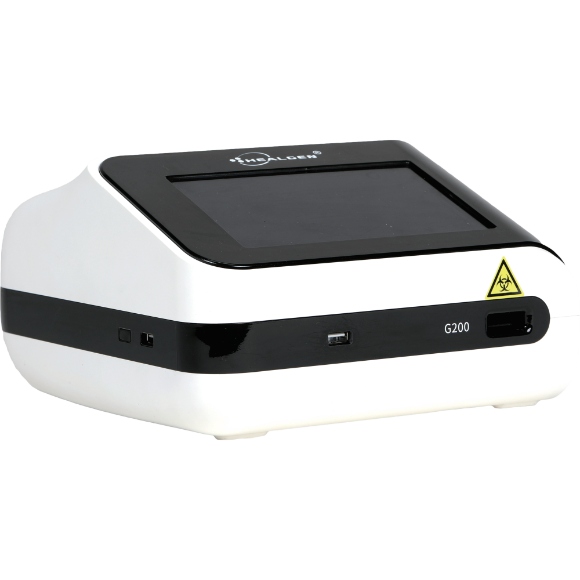
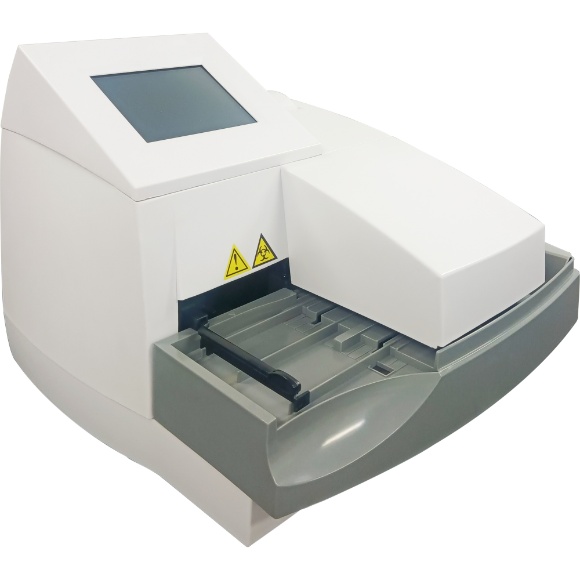
AELAB provides semi-automatic chemistry analyzers designed for biochemical testing, clinical laboratory analysis, life science research, educational laboratories and routine diagnostic workflows.
Semi-auto chemistry analyzers help laboratories perform photometric and biochemical measurements while allowing the operator to control important steps such as sample preparation, reagent addition, incubation and result verification.
The available analyzer range is intended to support laboratories that require flexible testing, practical operation and reliable analytical performance without using a fully automated chemistry platform.
Users can compare suitable AELAB solutions according to test menu, wavelength range, optical system, sample volume, reaction method, temperature control, data storage and laboratory workload.
Explore AELAB Semi Auto Chemistry Analyzers
Compare available analyzer configurations, technical specifications and application options for biochemical and clinical laboratory testing.
What Is a Semi Auto Chemistry Analyzer?
A semi-auto chemistry analyzer is a laboratory instrument used to measure chemical and biochemical reactions through photometric or colorimetric analysis. It is commonly used to determine the concentration or activity of selected analytes in prepared samples.
Unlike a fully automated chemistry system, a semi-automatic analyzer normally requires the operator to carry out some preparation stages manually. Depending on the test procedure, these stages may include pipetting the sample, adding reagents, mixing, incubation and placing the reaction solution into the measurement position.
The analyzer then measures the optical response of the reaction and processes the measurement according to the selected analytical method, calibration information and test parameters.
Common Analytical Methods
| Analytical Method | General Purpose |
|---|---|
| End-Point Analysis | Measures the reaction after it reaches a defined or stable measurement point. |
| Kinetic Analysis | Evaluates the change in absorbance over time during a biochemical reaction. |
| Fixed-Time Analysis | Compares measurements taken at defined time intervals during the reaction. |
| Single-Reagent Testing | Supports procedures in which one primary working reagent is combined with the sample. |
| Double-Reagent Testing | Supports analytical procedures that require two reagent stages or sequential reagent addition. |
| Calibration-Based Measurement | Calculates results using calibration factors, standards or stored calibration curves. |
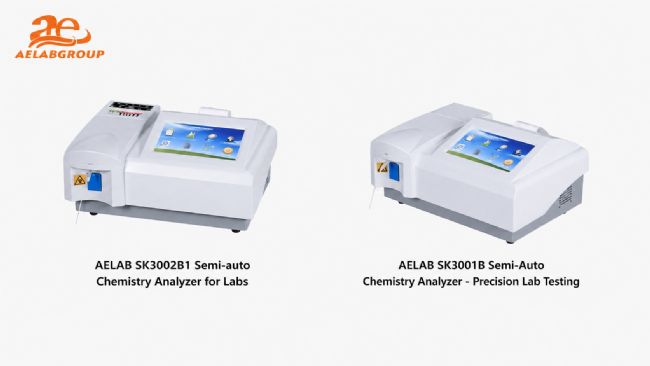
Typical Applications
Typical Testing Workflow
1. Select the test method
Choose the required biochemical test and confirm the recommended reaction conditions.
2. Prepare reagents and samples
Prepare the sample, reagent, standard and control materials according to the laboratory procedure.
3. Add the required volumes
Pipette the specified amounts of sample and reagent into the reaction vessel or cuvette.
4. Mix and incubate
Allow the reaction to proceed under the required time and temperature conditions.
5. Perform optical measurement
Place the prepared reaction solution in the analyzer and start the measurement.
6. Review and record results
Check the calculated result, quality control status and stored test information.
How to Select a Semi Auto Chemistry Analyzer
Choosing a suitable analyzer should be based on the laboratory test menu, daily workload, analytical methods and required operating features. Price alone should not be the main selection factor.
| Selection Factor | Questions to Consider |
|---|---|
| Laboratory Workload | How many samples and biochemical tests will normally be processed each day? |
| Required Test Menu | Which biochemical parameters and reagent methods must be supported? |
| Analytical Modes | Are end-point, kinetic, fixed-time or other measurement methods required? |
| Wavelength Configuration | Does the analyzer include the wavelengths required by the laboratory reagent protocols? |
| Optical Measurement System | Is the optical configuration suitable for the required photometric testing procedures? |
| Temperature Control | Does the method require controlled incubation or reaction temperature? |
| Sample and Reagent Volume | What working volumes are recommended for the laboratory's routine methods? |
| User Interface | Is a touchscreen, keypad, graphical display or simplified operating menu preferred? |
| Data Storage | How many test methods, patient records and quality control results must be stored? |
| Printer and Connectivity | Is an internal printer or connection to an external computer or laboratory system required? |
| Quality Control Functions | Are calibration management, control result review and quality control charts required? |
| Language and Power Supply | What interface language, voltage and plug configuration are required for the destination country? |
Important Laboratory Considerations
Reagent compatibility: Confirm that the selected reagents, wavelength requirements and analytical methods are compatible with the analyzer.
Accurate pipetting: Because several preparation stages are manual, pipette performance and operator technique can directly influence test consistency.
Temperature management: Follow the required incubation and reaction temperature specified by the test method.
Quality control: Use suitable control materials and laboratory QC procedures to monitor analytical performance.
Routine cleaning: Keep cuvettes, flow cells, reaction positions and optical surfaces clean according to the operating instructions.
Operator training: Ensure that users understand reagent preparation, calibration, control procedures, sample handling and result interpretation.
Why Choose AELAB Semi Auto Chemistry Analyzers?
To receive a suitable analyzer recommendation, provide the AELAB team with the following information:
AELAB is a laboratory equipment brand and supplier based in Guangzhou, China. The company provides laboratory instruments, analytical equipment and testing solutions for distributors, research organizations, universities, medical laboratories and industrial customers.
The AELAB product portfolio covers life science research equipment, laboratory instruments, analytical systems, pharmaceutical testing equipment, environmental testing solutions, sample preparation equipment and general quality control instruments.
Official website: www.aelabgroup.com
Frequently Asked Questions
What is a semi-auto chemistry analyzer used for?
It is used to measure prepared biochemical reactions through photometric or colorimetric methods. It can support routine clinical chemistry, research and laboratory teaching applications.
Does a semi-auto analyzer prepare samples automatically?
Normally, the operator manually prepares the samples and reagents. The exact workflow depends on the analyzer configuration and the selected testing method.
What is the difference between a semi-auto and fully automated chemistry analyzer?
A semi-auto analyzer requires more manual preparation and operator involvement, while a fully automated system performs more sample, reagent and reaction-handling stages automatically.
Which laboratories may benefit from a semi-auto chemistry analyzer?
Semi-auto systems may be suitable for small and medium-sized laboratories, educational centers, research facilities, veterinary laboratories and testing centers with low to moderate workloads.
Can different reagent methods be used?
Reagent use depends on wavelength compatibility, test programming, reaction method, volume requirements and the analyzer's technical configuration. Compatibility should be confirmed before purchase.
Is temperature control important?
Yes. Many biochemical reactions require controlled time and temperature conditions. The required temperature performance should be checked according to the laboratory's test methods.
Can AELAB recommend a suitable analyzer?
Yes. Provide the required tests, daily workload, reagent information, analytical methods, interface requirements, voltage and destination country to receive a suitable recommendation.
Contact the AELAB technical sales team and describe your laboratory application, required test menu, daily workload, reagent method, preferred analytical functions and destination country.
A technical proposal can include suitable analyzer options, specifications, available accessories, configuration information, delivery time, export packaging and shipping details.
View AELAB Semi Auto Chemistry Analyzers
Email: info@aelabgroup.com
WhatsApp / WeChat: +86 158 0001 6110
Website: www.aelabgroup.com
-
AELAB GUANGZHOU CO., LTD.
AELAB is a laboratory equipment and analytical instrument supplier based in Guangzhou, China. We provide laboratory instruments, quality control equipment, analytical systems, sample preparation equipment, and related laboratory solutions for distributors, industrial laboratories, universities, research organizations, and testing centers worldwide.
AELAB offers both our own-brand products and carefully selected instruments from established manufacturers. OEM and ODM services are available for selected AELAB products, including customized branding, appearance, configuration, power supply, accessories, packaging, and documentation according to customer requirements.
For laboratory projects, distributor orders, government tenders, and complete laboratory setups, our team can provide a one-stop purchasing solution. We assist customers with product selection, technical comparison, quotation preparation, sourcing, quality inspection, export packaging, shipping coordination, and after-sales support.
Our technical team helps customers select suitable equipment based on their application, testing method, required specifications, budget, and local standards. Warranty and technical support are provided according to the product and project requirements.
AELAB operates under an established quality management system. Relevant company and product documentation may include SGS verification, ISO certification, CE, RoHS, FCC, or UL-related documentation, depending on the specific product model and configuration. Customers may contact us to confirm the available certificates before ordering.
Our equipment is widely used in industrial quality control, scientific research, universities, pharmaceutical laboratories, food and agricultural testing, environmental analysis, chemical laboratories, and other professional testing applications.
We are committed to developing long-term cooperation with distributors, laboratories, research institutions, and project contractors. If you are looking for a reliable laboratory equipment supplier with stable service and technical support, please contact AELAB.
Contact AELAB
Website:
https://aelabgroup.com
Email:
info@aelabgroup.com
WhatsApp / WeChat:
+86 15800016110
| Request Information |
| Other Products |
| Related Products |
| Recently viewed products |