 中文
中文


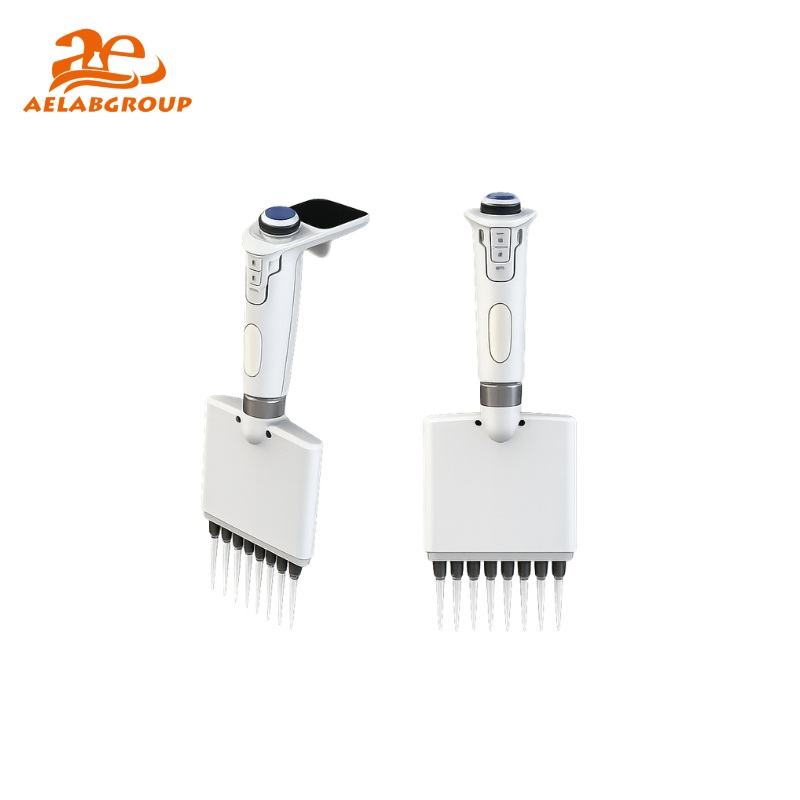
AELAB Electronic Pipette Series

- Product Detail
- Company Profile
- Pharmaceutical research and quality control
- Biotechnology and molecular biology laboratories
- Clinical and diagnostic sample preparation
- ELISA and microplate-based testing procedures
- PCR and nucleic acid workflow preparation
- Cell culture and microbiology applications
- Reagent preparation and serial dilution
- Food and beverage laboratory testing
- Environmental and water sample analysis
- Chemical and analytical laboratory procedures
- University teaching and scientific research
- High-throughput sample processing
- Select a pipette with a volume range appropriate for the working volume.
- Use compatible and correctly fitted pipette tips.
- Pre-wet the pipette tip when required by the laboratory method.
- Keep the pipette upright during liquid aspiration.
- Use consistent immersion depth and pipetting technique.
- Avoid liquid entering the internal pipette mechanism.
- Clean the external surfaces according to laboratory procedures.
- Inspect removable components and seals at planned intervals.
- Charge the battery according to the operating instructions.
- Verify accuracy and precision through scheduled calibration checks.
- Store the pipette safely when it is not in use.
- Electronic pipetting solutions for routine and repetitive liquid handling
- Single-channel and multichannel configurations for different workflows
- Multiple volume ranges according to laboratory requirements
- Options for microplate, tube and reservoir-based applications
- Adjustable-volume and programmable operating functions depending on model
- Solutions for pharmaceutical, biotechnology, clinical and research laboratories
- Model-selection assistance before quotation
- Technical specification and configuration support
- International supply, export packaging and shipping support
- Assistance with suitable accessories and pipette tip selection where available
AELAB supplies electronic pipettes designed for accurate, repeatable and efficient liquid handling in research, pharmaceutical, biotechnology, clinical, educational and quality control laboratories.
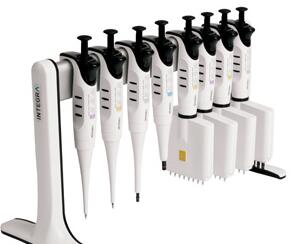
The available range includes single-channel electronic pipettes, multichannel electronic pipettes, adjustable-volume models and programmable liquid handling solutions for routine and repetitive laboratory procedures.
Electronic pipettes help laboratories standardize aspiration and dispensing operations while reducing the physical effort associated with repeated manual pipetting. Different volume ranges, channel configurations and operating modes are available according to the application.
Customers can compare AELAB electronic pipette models according to required volume range, number of channels, liquid handling mode, tip compatibility, charging method and laboratory workflow.
Explore single-channel, multichannel and adjustable electronic pipetting solutions available from AELAB.
Available Electronic Pipette Types
| Pipette Type | Typical Application |
|---|---|
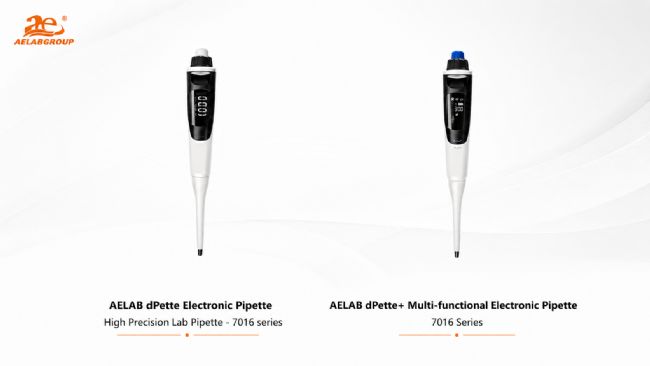
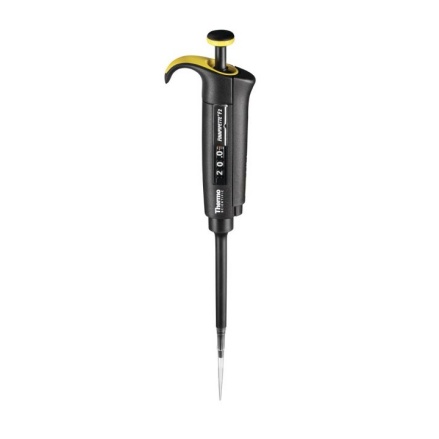
| Single-Channel Electronic Pipette | Accurate transfer of individual liquid samples during routine laboratory testing, reagent preparation and analytical procedures. |
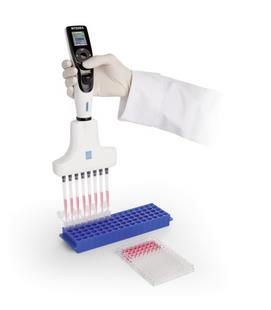
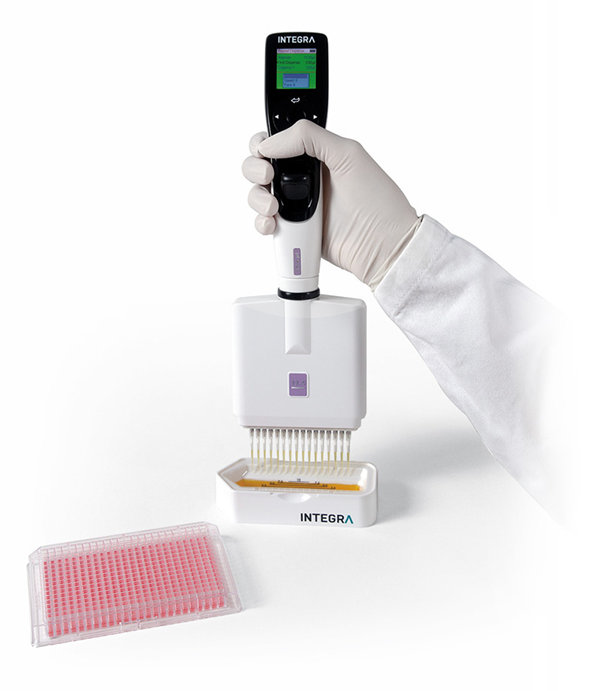
| Multichannel Electronic Pipette | Simultaneous aspiration and dispensing across multiple wells in microplates and other multi-position laboratory vessels. |
| 8-Channel Electronic Pipette | Efficient liquid handling for standard microplate workflows, immunoassays, sample preparation and repetitive dispensing. |
| 12-Channel Electronic Pipette | Faster processing of multiwell plates where several samples or reagents must be transferred in parallel. |
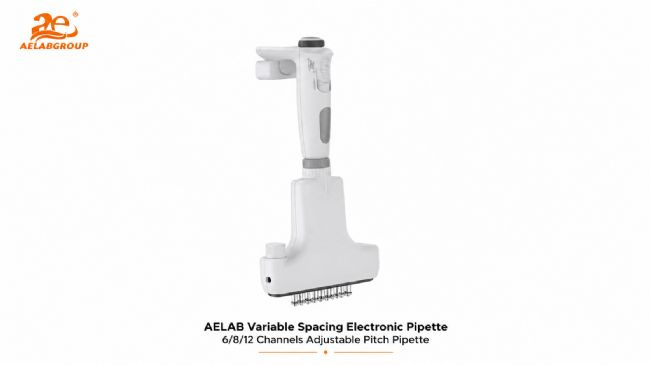
| Adjustable-Spacing Electronic Pipette | Liquid transfer between laboratory vessels with different well, tube or container spacing. |
| Programmable Electronic Pipette | Repeatable aspiration, dispensing, mixing and multi-dispensing operations using selectable electronic modes. |
Benefits of Electronic Pipetting
Electronically controlled piston movement helps standardize aspiration and dispensing between different pipetting cycles.
Electronic controls reduce the repeated thumb movement normally required during intensive manual pipetting procedures.
Multichannel and repetitive dispensing functions can shorten the time required for processing large numbers of samples.
Depending on the selected model, electronic pipettes may support pipetting, dispensing, mixing and repeated liquid transfer operations.
Adjustable settings and controlled operation support more consistent laboratory procedures across technicians and work shifts.
Typical Applications
Common Electronic Pipetting Functions
| Function | Purpose |
|---|---|
| Standard Pipetting | Aspirates and dispenses a selected liquid volume during routine sample transfer. |
| Multiple Dispensing | Divides one aspirated liquid volume into several consecutive dispensing steps. |
| Mixing | Performs repeated aspiration and dispensing to mix liquids inside a tube, well or container. |
| Reverse Pipetting | Supports the handling of selected viscous, foaming or difficult liquid samples where applicable. |
| Sequential Operation | Allows several liquid handling steps to be carried out as part of a defined laboratory procedure. |
How to Select the Right Electronic Pipette
Selecting an electronic pipette should be based on the laboratory procedure rather than only the maximum volume. The required volume range, number of channels, sample type, vessel format and frequency of use should all be evaluated.
The compatibility of the pipette with laboratory tips, racks, tubes and microplates should also be confirmed before choosing a model.
| Selection Factor | Questions to Consider |
|---|---|
| Volume Range | What are the minimum and maximum liquid volumes used in the procedure? |
| Number of Channels | Is a single-channel, 8-channel or 12-channel configuration required? |
| Laboratory Vessel | Will the pipette be used with tubes, reservoirs, microplates or other containers? |
| Channel Spacing | Is fixed channel spacing suitable, or is adjustable spacing required? |
| Pipetting Modes | Are standard pipetting, mixing, repetitive dispensing or other programmed modes needed? |
| Sample Characteristics | Are the samples aqueous, viscous, volatile, foaming or sensitive to contamination? |
| Tip Compatibility | Which pipette tip sizes and types are required for the selected application? |
| Charging and Battery | What charging method and operating time are suitable for the daily workload? |
| Cleaning and Maintenance | Which pipette components must be removable, cleanable or sterilizable? |
| Calibration Requirements | How often must pipetting accuracy and precision be checked according to laboratory procedures? |
View the complete AELAB electronic pipette range and available technical specifications
Electronic Pipette Use and Maintenance Considerations
Why Choose AELAB Electronic Pipettes?
AELAB is a laboratory equipment brand and supplier based in Guangzhou, China. AELAB provides laboratory instruments, analytical equipment and quality control solutions for distributors, universities, research institutions and industrial laboratories worldwide.
The AELAB product range includes liquid handling equipment, laboratory balances, centrifuges, incubators, analytical instruments, environmental testing equipment, pharmaceutical testing systems and sample preparation solutions.
Official website: www.aelabgroup.com
Frequently Asked Questions
AELAB supplies electronic pipetting solutions including single-channel, multichannel and adjustable-spacing configurations for different liquid handling workflows.
A manual pipette relies on the operator to control piston movement, while an electronic pipette uses electronically controlled aspiration and dispensing functions to improve workflow consistency and reduce repetitive hand movement.
A multichannel electronic pipette is generally selected when several wells or samples must be processed simultaneously, especially in microplate-based laboratory procedures.
The required volume range, number of channels, sample type, laboratory vessel, pipetting modes, daily workload and tip compatibility should be provided before model selection.
Yes. Multichannel electronic pipettes are commonly used for transferring samples and reagents into microplates, depending on the required plate format and channel configuration.
Yes. Electronic pipettes should be checked and calibrated at planned intervals according to laboratory quality procedures, usage frequency and application requirements.
Yes. Send your required volume range, number of channels, sample type, pipetting procedure, vessel format, destination country and any accessory requirements. The AELAB team can recommend suitable options and prepare a quotation.
Tell the AELAB technical sales team your required pipetting volume, number of channels, liquid type, vessel format, operating modes and daily sample workload.
Suitable electronic pipette configurations can then be recommended according to your actual laboratory procedure.
The quotation can include available options, technical specifications, compatible accessories, delivery time, packaging and shipping information.
View AELAB Electronic Pipette Models
Email: info@aelabgroup.com
WhatsApp / WeChat: +86 158 0001 6110
Website: www.aelabgroup.com
-
AELAB GUANGZHOU CO., LTD.
AELAB is a laboratory equipment and analytical instrument supplier based in Guangzhou, China. We provide laboratory instruments, quality control equipment, analytical systems, sample preparation equipment, and related laboratory solutions for distributors, industrial laboratories, universities, research organizations, and testing centers worldwide.
AELAB offers both our own-brand products and carefully selected instruments from established manufacturers. OEM and ODM services are available for selected AELAB products, including customized branding, appearance, configuration, power supply, accessories, packaging, and documentation according to customer requirements.
For laboratory projects, distributor orders, government tenders, and complete laboratory setups, our team can provide a one-stop purchasing solution. We assist customers with product selection, technical comparison, quotation preparation, sourcing, quality inspection, export packaging, shipping coordination, and after-sales support.
Our technical team helps customers select suitable equipment based on their application, testing method, required specifications, budget, and local standards. Warranty and technical support are provided according to the product and project requirements.
AELAB operates under an established quality management system. Relevant company and product documentation may include SGS verification, ISO certification, CE, RoHS, FCC, or UL-related documentation, depending on the specific product model and configuration. Customers may contact us to confirm the available certificates before ordering.
Our equipment is widely used in industrial quality control, scientific research, universities, pharmaceutical laboratories, food and agricultural testing, environmental analysis, chemical laboratories, and other professional testing applications.
We are committed to developing long-term cooperation with distributors, laboratories, research institutions, and project contractors. If you are looking for a reliable laboratory equipment supplier with stable service and technical support, please contact AELAB.
Contact AELAB
Website:
https://aelabgroup.com
Email:
info@aelabgroup.com
WhatsApp / WeChat:
+86 15800016110
| Request Information |
| Related Products |
| Recently viewed products |