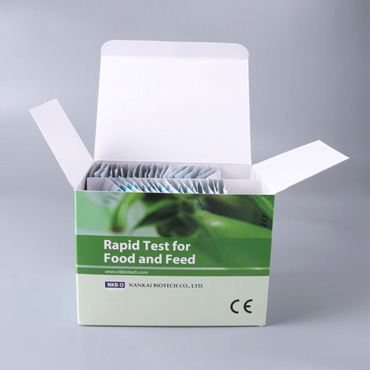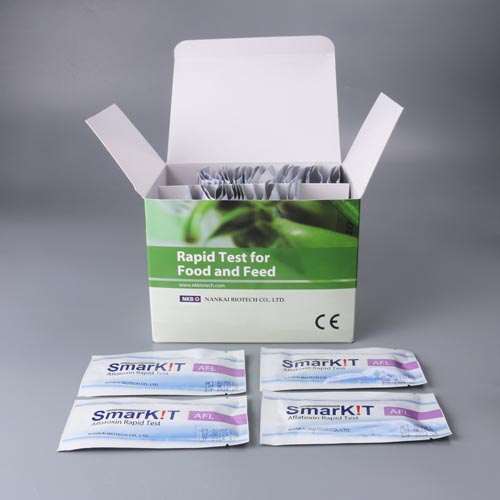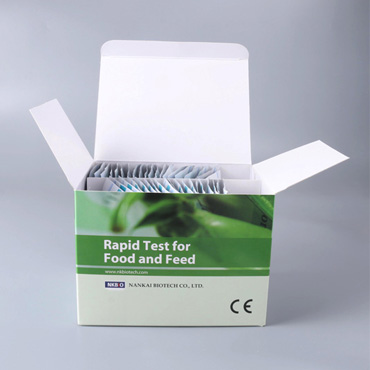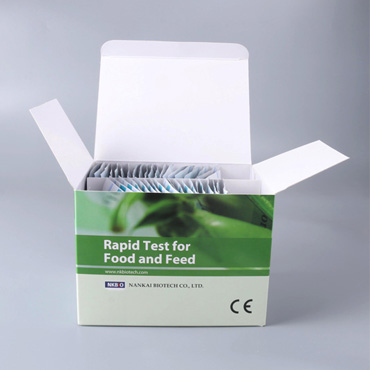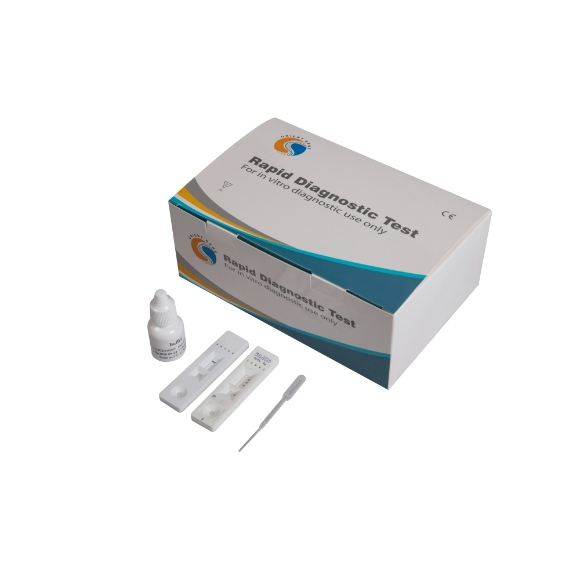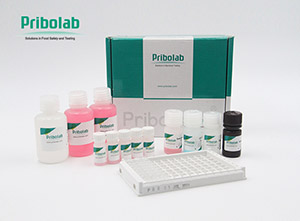

Fast screening for glyphosate residues in high-risk grain, cereal, pulse and oilseed matrices, including wheat, oats, barley, corn, soybeans, lentils, peas, chickpeas, canola / rapeseed and related grain-based products.
The Glyphosate Rapid Test Kit provides a fast, simple and reliable front-end screening solution for grain processors, grain traders, feed manufacturers, food producers, exporters, laboratories, inspection authorities and quality control teams seeking to identify glyphosate residue risks before laboratory confirmation, shipment, milling or production use.
Suitable for grain receiving, incoming material inspection, supplier verification, export risk control, storage monitoring, feed production and food safety monitoring applications.
Product Principle & Result Interpretation
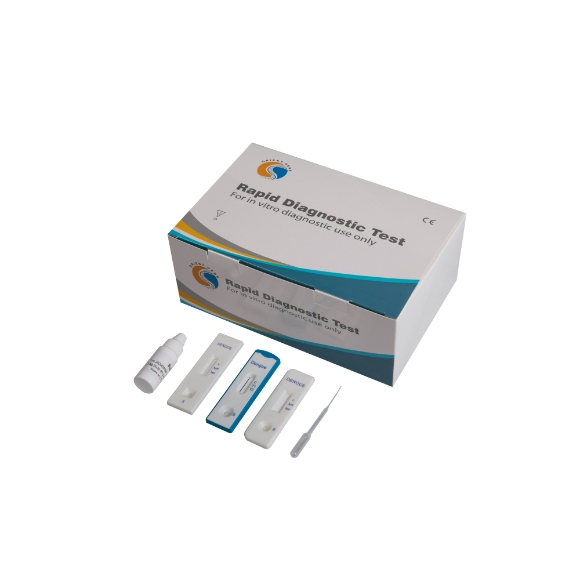
This rapid test kit is based on competitive lateral flow immunochromatographic assay technology and is designed for rapid qualitative screening of glyphosate residues in applicable grain and food matrices.
Results can be interpreted visually for routine front-end screening. Optional quantitative analysis is available for users requiring objective result interpretation, numerical result management, digital records and traceable QC workflow management.
The test is suitable for high-frequency screening in grain receiving stations, feed mills, food processing facilities, export preparation, market inspection and laboratory pre-screening applications. Fast • Simple • Reliable Rapid Front-End Screening
Support fast acceptance, rejection, hold or re-testing decisions before grain enters storage, milling, production or shipment. Visual Screening, No Instrument Required
Simple operation suitable for grain receiving teams, factory QC staff, inspection teams and routine high-volume screening programs. Optional Quantitative Analysis
Supports objective result interpretation, numerical result management, digital records and traceable quality control workflows. Built for High-Risk Grain Matrices
Designed for practical screening of wheat, oats, barley, corn, soybeans, pulses, oilseeds and related grain-based products. Laboratory-Verified Performance
Supported by certified analytical laboratory verification, matrix evaluation and reference method comparison. Why Screen for Glyphosate in Grain?
Glyphosate is one of the most widely monitored herbicide residues in grain, cereal, pulse and oilseed supply chains.
In many markets, glyphosate residue concerns are linked to pre-harvest use, buyer contract requirements, export market limits, organic / clean-label expectations and raw material acceptance programs.
Grain processors, feed manufacturers, exporters, laboratories and inspection authorities routinely screen for glyphosate residues to support:
• Grain receiving control
• Pre-shipment screening
• Supplier verification
• Buyer specification compliance
• Export market requirement control
• Feed ingredient quality control
• Milling and food processing risk control
• Market surveillance programs
• Brand reputation protection
The discovery of glyphosate residues after shipment, buyer inspection, milling or production may result in shipment rejection, delayed clearance, buyer claims, contract disputes, urgent laboratory re-testing and significant financial losses.
Front-end rapid screening helps identify high-risk batches earlier and supports faster risk-control decisions before grain enters production, storage or international trade channels. Key High-Risk Sample Matrices Cereal Grains
• Wheat
• Barley
• Oats
• Rye
• Sorghum
• Corn / Maize Pulses and Legumes
• Lentils
• Peas
• Chickpeas
• Beans
• Soybeans Oilseeds and Related Crops
• Canola / Rapeseed
• Sunflower seeds
• Mustard seed
• Linseed / Flaxseed Grain-Based and Processed Products
• Wheat flour
• Oat flakes
• Oatmeal
• Barley products
• Corn flour
• Corn meal
• Soy protein materials
• Feed ingredients
• Compound feed
• Grain-based food ingredients
Specific sample preparation may vary depending on matrix type. Why These Matrices Matter Wheat
Wheat is one of the most important matrices for glyphosate screening because of its role in flour, noodles, pasta, bakery products, feed ingredients and international grain trade. Buyers may require glyphosate control before milling or export shipment. Oats
Oats are a high-sensitivity market matrix because oat buyers, cereal brands and clean-label food producers may apply strict sourcing or contract requirements. Oat flakes, oatmeal and breakfast cereal supply chains are especially sensitive to glyphosate residue concerns. Barley
Barley screening is important for feed barley, food barley and malt-related supply chains. Malt barley buyers may apply strict acceptance requirements, especially when pre-harvest glyphosate use is a concern. Corn / Maize
Corn is widely used in food, feed, starch, syrup and industrial processing. Large-volume corn procurement makes front-end glyphosate screening valuable for grain elevators, feed mills and food ingredient producers. Soybeans
Soybeans are a major global trade crop and are frequently included in glyphosate residue monitoring programs. Screening supports soybean receiving, soy protein production, feed manufacturing and export risk control. Pulses
Lentils, peas, chickpeas and beans are important export commodities in many markets. Pulse buyers may be highly sensitive to glyphosate residues because of buyer specifications, low residue expectations and export market scrutiny. Canola / Rapeseed and Oilseeds
Oilseeds are important for crushing, food oil production and feed applications. Screening supports supplier control, raw material acceptance and shipment risk management. Key Features
• Fast screening for glyphosate residues in grain and food matrices
• Suitable for wheat, oats, barley, corn, soybeans, pulses and oilseeds
• Simple visual interpretation
• Optional quantitative analysis available
• Supports digital records and traceable QC workflows
• Practical for grain receiving, feed production and export risk control
• Useful for high-volume screening before laboratory confirmation
• Supports buyer requirement and supplier verification programs
• Verified through real-matrix validation and reference method comparison Applications Grain Receiving Control
Screen incoming wheat, barley, oats, corn, soybeans, pulses and oilseeds before storage or processing. Export Risk Control
Support front-end screening before shipment to reduce rejection risks from destination market inspection or buyer testing. Milling and Food Processing QC
Help identify high-risk grain batches before flour milling, cereal production, starch processing or food ingredient manufacturing. Feed Ingredient Screening
Screen grain and oilseed ingredients before feed production. Supplier Verification
Support supplier qualification, contract compliance and raw material risk management. Market Surveillance
Provide rapid support for inspection authorities, food safety monitoring programs and grain market supervision. Laboratory Pre-Screening
Help prioritize suspicious samples before LC-MS/MS or other confirmatory laboratory analysis. Quantitative Analysis Available
Optional quantitative analysis solutions are available for users requiring objective result interpretation, numerical result management, digital records and traceable QC workflow management.
This supports more reliable testing programs for grain processors, feed manufacturers, food producers, exporters, laboratories and inspection-related customers handling multiple samples or operators. Certified Analytical Laboratory Verification
Supported by CMA / CATL / CNAS certified analytical laboratories equipped with LC-MS/MS and other advanced analytical platforms.
Verification capabilities include:
• Matrix verification
• Reference method comparison
• Rapid test performance evaluation
• Real-world application validation
• Technical support for complex grain, pulse and oilseed matrices Related Pesticide Residue Test Kits
• Chlorpyrifos Rapid Test Kit
• Carbendazim Rapid Test Kit
• Acetamiprid Rapid Test Kit
• Tricyclazole Rapid Test Kit
• Paraquat Rapid Test Kit
• Fipronil Rapid Test Kit
• Organophosphate & Carbamate Rapid Test Kit
bio-equip.cn
NANKAI Biotech develops and manufactures rapid testing solutions for real-world food safety risk control.
For more than 20 years, we have focused on fast, practical and reliable rapid screening technologies that help regulators, laboratories, distributors, exporters and food industry QC teams make faster food safety decisions.
NANKAI provides rapid screening and quantitative analysis solutions for pesticide residues, mycotoxins, illegal additives, aquaculture & seafood safety, veterinary drug residues, antibiotics, heavy metals & toxic elements, digital QC, traceability systems and related food safety applications.
What differentiates NANKAI is the combination of large-scale manufacturing, certified analytical laboratory verification and extensive real-world deployment experience.
We operate three CMA, CATL & CNAS certified analytical laboratories equipped with LC-MS/MS and GC-MS/MS platforms, supporting matrix verification, reference method comparison, rapid test performance evaluation and accredited third-party analytical testing services.
Our rapid testing solutions have been applied in Olympic-level food safety programs, major international events, government monitoring projects, grain & feed safety workflows, fruit & vegetable screening, tobacco & tea quality control, seafood and meat safety supervision, traditional herbal material testing, dairy and honey safety programs, factory QC and export risk-control workflows.
Highlights:
• Fast, practical and reliable rapid screening solutions
• 20+ years of rapid testing technology development
• 25,000+ m² manufacturing & laboratory facilities
• Three CMA, CATL & CNAS certified analytical laboratories
• LC-MS/MS & GC-MS/MS analytical capability
• Olympic-level and government project experience
• Billions of real-world screening applications
• Food safety monitoring, traceability and digital regulatory systems
NANKAI Biotech supports international partners with practical, scalable and laboratory-verified rapid testing solutions for food safety risk control.