 中文
中文


Home > News > PSMA-Targeted Nanobodies: Revolutionizing Diagnosis and Treatment Strategies for Prostate Cancer
PSMA-Targeted Nanobodies: Revolutionizing Diagnosis and Treatment Strategies for Prostate Cancer
- 1. Literature Information
Research Focus: Development of prostate-specific membrane antigen (PSMA)-targeted nanobodies, exploration of their advantages over conventional antibodies, evaluation of nanobody-drug conjugate (NB7-DOX) efficacy, and translation prospects for prostate cancer diagnosis and therapy.
Core Innovation: Isolation of high-affinity PSMA-specific nanobodies with superior tissue penetration and pharmacokinetics, validation of their targeted delivery potential, and establishment of an integrated "diagnosis-treatment" platform that overcomes limitations of traditional prostate cancer management.
2. Research Background
Prostate cancer is one of the most common malignant tumors in men, posing significant challenges in clinical diagnosis and treatment. Current diagnostic methods relying on prostate-specific antigen (PSA) serum testing suffer from high false-positive rates and poor precise localization. Conventional chemotherapeutics (e.g., doxorubicin) exhibit limited efficacy due to insufficient tumor accumulation and systemic toxicity. Prostate-specific membrane antigen (PSMA)—a transmembrane protein overexpressed specifically on prostate cancer cells, with folate hydrolase activity and internalization properties—has emerged as a pivotal target for targeted diagnosis and therapy. Nanobodies (single-domain antibodies) offer unique advantages over traditional monoclonal antibodies, making them ideal candidates for developing next-generation prostate cancer interventions.
3. Research Approaches
To advance PSMA-targeted prostate cancer management, the research team adopted a translational strategy:
Nanobody Isolation & Characterization: Immunizing camels with recombinant human PSMA extracellular domains to screen high-affinity nanobodies; evaluating binding specificity, affinity (Kd values), and cellular internalization via in vitro assays.
Molecular Mechanism Analysis: Using Discovery Studio’s ZDOCK/RDOCK algorithms to perform molecular docking simulations, elucidating the interaction between lead nanobody (NB7) and PSMA dimers.
Conjugate Construction & Efficacy Evaluation: Developing the nanobody-drug conjugate NB7-DOX (NB7 linked to doxorubicin); assessing cytotoxicity, internalization, drug release, and in vivo antitumor efficacy in xenograft models.
Diagnostic Potential Validation: Evaluating tumor targeting of radiolabeled nanobodies via in vivo imaging to determine tumor-to-muscle signal ratios.
Translation Prospects Exploration: Investigating applications in PET imaging, targeted therapy, bispecific antibody design, and personalized medicine.
4. Research Outcomes
4.1 Key Advantages of Nanobodies Over Conventional Antibodies
Nanobodies (≈15kD single-domain antibodies) offer distinct technical merits:
Superior Tissue Penetration: Small molecular size enables penetration into core regions of solid tumors, overcoming the limitation of conventional antibodies.
Optimized Pharmacokinetics: Shorter serum half-life reduces circulatory retention, improving target-to-nontarget signal ratios for imaging and therapy.
High Stability & Affinity: Maintains nanomolar-level affinity while exhibiting excellent pH/thermal stability and low immunogenicity.
Versatile Modifiability: Facilitates site-specific conjugation with fluorescent probes, radionuclides, or cytotoxic drugs without compromising biological activity.
4.2 Isolation and Characterization of PSMA-Specific Nanobodies
Screening Results: Four high-affinity nanobodies were isolated, with specific recognition of PSMA-overexpressing cell lines and nanomolar dissociation constants (Kd).
Cellular Uptake: Nanobodies efficiently enter tumor cells via PSMA-mediated endocytosis, validating their potential as drug delivery carriers.
Binding Mechanism: Molecular docking revealed NB7 interacts with PSMA dimers through a multi-site mode—CDR3/CDR1 bind the first PSMA monomer, while CDR2 and framework residues interact with the second monomer—ensuring high affinity and specificity.
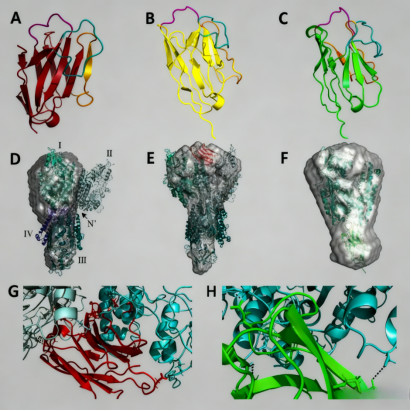
4.3 Efficacy of NB7-DOX Nanobody-Drug Conjugate
Targeted Cytotoxicity: NB7-DOX exhibited concentration-dependent toxicity in PSMA-positive cells, with significantly reduced toxicity in PSMA-negative cells—confirming targeting specificity.
Internalization & Drug Release: Confocal microscopy verified PSMA-mediated endocytosis of NB7-DOX and effective drug release in the acidic lysosomal environment.
In Vivo Antitumor Efficacy: In xenograft models, low-dose NB7-DOX (1/42 of free doxorubicin dose) achieved comparable tumor growth inhibition to conventional chemotherapy, with markedly reduced systemic toxicity.
Diagnostic Targeting: Radiolabeled nanobodies specifically accumulated in PSMA-positive tumors, with a tumor-to-muscle ratio of up to 8.7—supporting precise imaging applications.
4.4 Clinical Translation Prospects
The PSMA-targeted nanobody platform enables multiple innovative applications:
Diagnostic Imaging: Conjugation with positron-emitting radionuclides (e.g., ⁶⁸Ga, ¹⁸F) for high-sensitivity PET probes, facilitating microlesion detection and biochemical recurrence localization.
Targeted Therapy: Development of precision delivery systems loaded with cytotoxic drugs, radionuclides, or immunomodulators for tumor-specific killing.
Technology Integration: Bispecific antibodies targeting PSMA and immune checkpoints to enhance antitumor immune responses.
Personalized Medicine: Patient stratification and dynamic treatment adjustment based on PSMA expression levels.
Future research priorities include nanobody humanization (reducing immunogenicity), linker optimization (controlling drug release kinetics), and large-scale production development.
5. Product Empowerment by ANT BIO PTE. LTD.
ANT BIO PTE. LTD.’s STARTER brand (antibodies) and UA brand (recombinant proteins) provide critical tools for PSMA research and nanobody development:
5.1 PSMA Antibodies (STARTER Brand)
"PSMA Recombinant Rabbit Monoclonal Antibody" (Catalog Nos.: S0B2107, S0B2107P): High-specificity antibodies validated for IHC, enabling precise detection of PSMA expression in FFPE samples.
Roles in Research: Supporting prostate cancer diagnosis, patient stratification, and evaluation of PSMA expression levels for targeted therapy selection.
Core Advantages: Excellent cell membrane-specific staining, clear background, and batch consistency—ensuring reliable results for clinical translation.
5.2 PSMA Recombinant Proteins (UA Brand)
Mouse PSMA/FOLH1 Fc Chimera Protein (UA011096) and Cynomolgus PSMA/FOLH1 His Tag Protein (UA010346) (expressed in HEK293):
Roles in Research: Critical for nanobody immunization, screening, and binding affinity validation; supporting in vitro assays of PSMA-nanobody interactions.
These products are indispensable for basic research (PSMA biology, nanobody development) and translational applications (diagnostic imaging, targeted therapy), providing researchers with standardized, high-quality tools to accelerate prostate cancer precision medicine.
6. Brand Mission
ANT BIO PTE. LTD. is dedicated to empowering global life science advancement through three specialized sub-brands: ABSIN (general reagents, ELISA kits), STARTER (antibodies), and UA (recombinant proteins). Leveraging advanced development platforms—including recombinant rabbit/mouse monoclonal antibody generation, rapid antibody development, recombinant protein expression (E.coli, CHO, HEK293, Insect Cells), One-Step ELISA, and PTM Pan-Modification Antibody platforms—we deliver high-quality, compliant products certified by EU 98/79/EC, ISO9001, and ISO13485. Our mission is to partner with innovative pharmaceutical companies, research institutions, and scientists worldwide, providing innovative reagents and solutions that accelerate discoveries in cancer biology, precision therapy, and diagnostic imaging.
7. Related Product List
| UA011096 | PSMA/FOLH1 Fc Chimera Protein, Mouse | Host : Mouse Expression System : HEK293 Conjugation : Unconjugated |
| UA010346 | PSMA/FOLH1 His Tag Protein, Cynomolgus | Host : Cynomolgus Expression System : HEK293 Conjugation : Unconjugated |
| S0B2107P | PSMA Recombinant Rabbit mAb,PBS Only (SDT-R075) | Host : Rabbit |
| S0B2107 | PSMA Recombinant Rabbit mAb (SDT-R075) | Host : Rabbit |
8. AI Disclaimer
This article is AI-compiled and interpreted based on the original work. All intellectual property (e.g., images, data) of the original publication shall belong to the journal and the research team. For any infringement, please contact us promptly and we will take immediate action.
ANT BIO PTE. LTD. – Empowering Scientific Breakthroughs
At ANTBIO, we are committed to advancing life science research through high-quality, reliable reagents and comprehensive solutions. Our specialized sub-brands (Absin, Starter, UA) cover a full spectrum of research needs, from general reagents and kits to antibodies and recombinant proteins. With a focus on innovation, quality, and customer-centricity, we strive to be your trusted partner in unlocking scientific mysteries and driving medical progress. Explore our product portfolio today and elevate your research to new heights.
Related News
- Prestained Protein Marker: A Comprehensive Guide for Western Blot and Protein El 9/17/2026
- PSEN1 Antibody: A Critical Tool for Deciphering Alzheimer's Disease Pathogenesis 9/16/2026
- SHP Substrate 1 Recombinant Protein: Molecular Design, Functional Mechanisms and 9/15/2026
- Research Progress on Hepatic Lectin H1 Protein 9/14/2026
- PIC Paired Antibodies: A Comprehensive Analysis of Principles, Preparation, and 9/11/2026
- CMS: Initial Prescriptions for Silevimig Injection, the World's First Bispecific 9/10/2026
- Precision in Practice: Why Skilled Manufacturing Remains Central to Titan Enterp 9/10/2026
- Adagene Achieves Milestone in Collaboration with Exelixis for Advancement of SAF 9/10/2026
- Avi-Tag Technology: High-Precision Biotinylation Labeling Facilitates Molecular 9/10/2026
- ANT BIO: The Remarkable Biotinylated Proteins 9/9/2026