 中文
中文


Home > News > Prolactin/PRL Antibodies: Unraveling Sex-Specific Regulatory Mechanisms in Glioma Progression
Prolactin/PRL Antibodies: Unraveling Sex-Specific Regulatory Mechanisms in Glioma Progression
- 1. Literature Information
Research Focus: Investigation of the prolactin (PRL)/prolactin receptor (PRLR) signaling pathway in glioma progression, including its role in regulating malignant phenotypes, chemoresistance, and sex-specific prognostic patterns.
Core Innovation: Systematic demonstration of the PRL/PRLR pathway as a key driver of glioma malignancy, with distinct regulatory mechanisms in male and female patients—providing a basis for gender-specific precision therapy.
2. Research Background
Prolactin (PRL), a well-characterized peptide hormone traditionally linked to reproductive and metabolic regulation, has emerged as a critical player in tumor biology. By binding to the prolactin receptor (PRLR) on cell membranes, PRL activates downstream signaling cascades such as JAK2/STAT5 and MAPK/ERK, which modulate cell proliferation, differentiation, and survival. In hormone-sensitive tumors (e.g., breast and prostate cancer), aberrant PRL/PRLR pathway activation is closely associated with tumor progression, angiogenesis, and treatment resistance. Notably, PRL is not only secreted by the pituitary gland but also produced by tumor cells via autocrine/paracrine mechanisms, forming a local regulatory network in the tumor microenvironment. Glioblastoma (GBM), the most aggressive primary brain tumor, exhibits high mortality and limited treatment options. However, the role of the PRL/PRLR pathway in glioma progression and its potential gender-specific differences remained poorly understood prior to this study, creating a critical gap in translational research.
3. Research Approaches
To dissect the role of PRL/PRLR in glioma, the research team employed a multi-faceted, translational strategy:
Expression Profiling: Using immunofluorescence and Western blot, analyzing PRL and PRLR (long, intermediate, short isoforms) expression in GBM cells, tumor-infiltrating cells, and adjacent normal brain tissue; quantifying PRL secretion in cell culture supernatants.
Functional Validation: Assessing the impact of exogenous PRL stimulation or endogenous PRL overexpression on glioma cell proliferation, migration, invasion, and chemosensitivity (cisplatin, temozolomide); evaluating the effect of PRLR inhibitors (PRLR-A) on reversing drug resistance.
Molecular Mechanism Exploration: Investigating downstream signaling pathways (e.g., MMP-2 expression) mediating PRL/PRLR-driven malignant phenotypes.
Clinical Data Analysis: Leveraging TCGA database to analyze PRL/PRLR expression across glioma grades, their correlation with MMP-2 levels, and sex-specific prognostic associations.
Translational Implications: Proposing therapeutic strategies based on pathway inhibition, patient stratification, and gender-specific interventions.
4. Research Outcomes
4.1 PRL/PRLR Expression Characteristics in Glioblastoma
Systematic protein-level analysis revealed:
* Co-expression of PRL and PRLR in GBM cells and tumor-infiltrating cells within normal brain tissue.
* Differential expression of three PRLR isoforms (long, intermediate, short) in glioma cells, suggesting isoform-specific biological functions.
* Detection of PRL in glioma cell culture supernatants, confirming autonomous PRL secretion by tumor cells—validating activation of the PRL/PRLR pathway in the GBM microenvironment.
4.2 PRL/PRLR Pathway Regulates Glioma Malignant Phenotypes
Functional experiments demonstrated:
* Enhanced Proliferation, Migration, and Invasion: Exogenous PRL or endogenous PRL overexpression significantly promoted glioma cell aggressiveness.
* Molecular Mediator: PRL/PRLR activation upregulated matrix metalloproteinase-2 (MMP-2) expression, enhancing extracellular matrix degradation and tumor infiltration.
* Chemoresistance Induction: PRL activation or PRLR overexpression reduced the cytotoxic effects of cisplatin and temozolomide; PRLR-specific inhibitors (PRLR-A) effectively reversed this drug-resistant phenotype.
4.3 Sex-Specific Prognostic Patterns from Clinical Data
TCGA database analysis uncovered critical gender differences:
* Expression Levels: PRLR expression was stable across glioma grades, while PRL expression in GBM was significantly higher than in low-grade gliomas (GⅡ-Ⅲ).
* Correlation: PRL, PRLR, and MMP-2 mRNA levels were positively correlated in PRL-positive GBM samples.
* Survival Outcomes:
Male GBM patients: PRL-positive/PRLR-high expression was associated with significantly shorter median survival (10.5 months vs. 26.7 months).
Male low-grade glioma patients: PRL-negative/PRLR-low expression correlated with poor prognosis.
Female patients: PRL/PRLR expression correlated in GBM but showed no statistically significant prognostic association.
4.4 Translational Implications for Glioma Therapy
The study proposes novel therapeutic strategies:
Targeted Therapy: PRLR inhibitors as a new approach to overcome chemoresistance in PRL-positive gliomas.
Precision Patient Stratification: Using PRL/PRLR expression levels to identify patients likely to benefit from targeted interventions.
Gender-Specific Treatment: Tailoring therapies based on sex differences in PRL signaling regulation.
Combination Therapy: Synergistic use of PRLR inhibitors with conventional chemotherapeutics to improve treatment outcomes.
5. Product Empowerment by ANT BIO PTE. LTD.
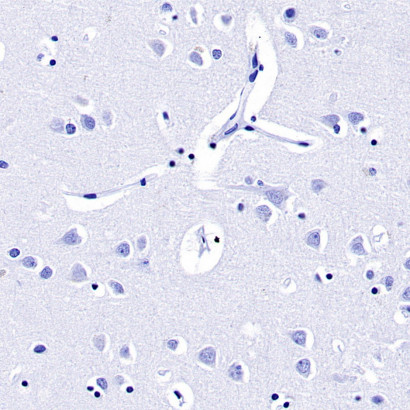
ANT BIO PTE. LTD.’s STARTER brand, a leader in high-quality antibodies, provided essential tools for this groundbreaking research. The "Prolactin/PRL Recombinant Rabbit Monoclonal Antibodies" (Catalog Nos.: S0B0061 and S0B1260) enabled precise detection and characterization of PRL expression, serving as a cornerstone for validating the PRL/PRLR pathway in glioma.
Key Roles of the Products in the Study:
Expression Validation: The antibodies’ high specificity and sensitivity ensured accurate detection of PRL in GBM cells, tumor tissues, and cell culture supernatants—critical for confirming autocrine PRL secretion and pathway activation.
Multi-Platform Compatibility: Validated for immunohistochemistry (IHC) and Western blot (WB), these antibodies supported both tissue-based and cellular studies, including FFPE sample analysis and protein expression quantification.
Reliable Staining Performance: Exceptional cytoplasmic staining specificity and minimal background in FFPE samples provided clear, interpretable results for PRL localization in glioma cells and adjacent tissues.
Batch Consistency: Rigorous quality control ensured consistent performance across experiments, supporting reproducible data for functional assays and clinical correlation analyses.
These antibodies are not only pivotal for glioma research but also valuable tools for pituitary adenoma classification, reproductive endocrinology studies, and breast/prostate cancer research—highlighting their versatility in hormone-related disease research.
6. Brand Mission
ANT BIO PTE. LTD. is dedicated to empowering global life science advancement through three specialized sub-brands: ABSIN (general reagents, ELISA kits), STARTER (antibodies), and UA (recombinant proteins). Leveraging advanced development platforms—including recombinant rabbit/mouse monoclonal antibody generation, rapid antibody development, recombinant protein expression (E.coli, CHO, HEK293, Insect Cells), One-Step ELISA, and PTM Pan-Modification Antibody platforms—we deliver high-quality, compliant products certified by EU 98/79/EC, ISO9001, and ISO13485. Our mission is to partner with innovative pharmaceutical companies, research institutions, and scientists worldwide, providing innovative reagents and solutions that accelerate discoveries in cancer biology, endocrinology, and precision medicine.
7. Related Product List
|
Prolactin/PRL Recombinant Rabbit mAb |
Host : Rabbit |
|
|
Prolactin/PRL Recombinant Rabbit mAb |
Host : Rabbit |
8. AI Disclaimer
This article is AI-compiled and interpreted based on the original work. All intellectual property (e.g., images, data) of the original publication shall belong to the journal and the research team. For any infringement, please contact us promptly and we will take immediate action.
ANT BIO PTE. LTD. – Empowering Scientific Breakthroughs
At ANTBIO, we are committed to advancing life science research through high-quality, reliable reagents and comprehensive solutions. Our specialized sub-brands (Absin, Starter, UA) cover a full spectrum of research needs, from general reagents and kits to antibodies and recombinant proteins. With a focus on innovation, quality, and customer-centricity, we strive to be your trusted partner in unlocking scientific mysteries and driving medical progress. Explore our product portfolio today and elevate your research to new heights.
Related News
- Prestained Protein Marker: A Comprehensive Guide for Western Blot and Protein El 9/17/2026
- PSEN1 Antibody: A Critical Tool for Deciphering Alzheimer's Disease Pathogenesis 9/16/2026
- SHP Substrate 1 Recombinant Protein: Molecular Design, Functional Mechanisms and 9/15/2026
- Research Progress on Hepatic Lectin H1 Protein 9/14/2026
- PIC Paired Antibodies: A Comprehensive Analysis of Principles, Preparation, and 9/11/2026
- CMS: Initial Prescriptions for Silevimig Injection, the World's First Bispecific 9/10/2026
- Precision in Practice: Why Skilled Manufacturing Remains Central to Titan Enterp 9/10/2026
- Adagene Achieves Milestone in Collaboration with Exelixis for Advancement of SAF 9/10/2026
- Avi-Tag Technology: High-Precision Biotinylation Labeling Facilitates Molecular 9/10/2026
- ANT BIO: The Remarkable Biotinylated Proteins 9/9/2026