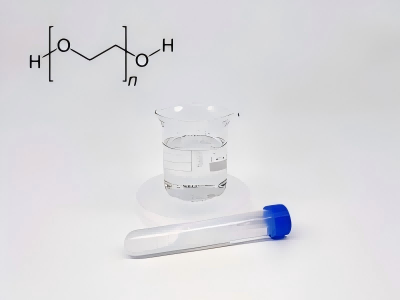
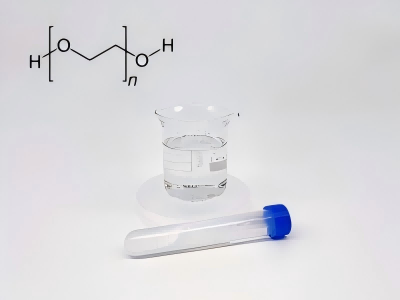
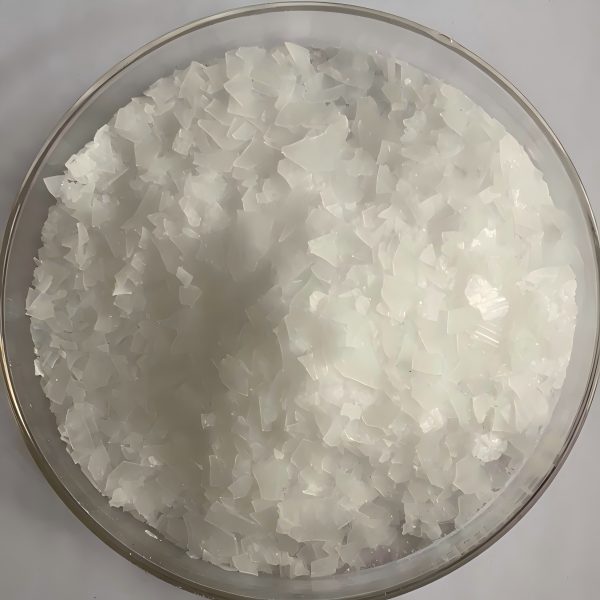
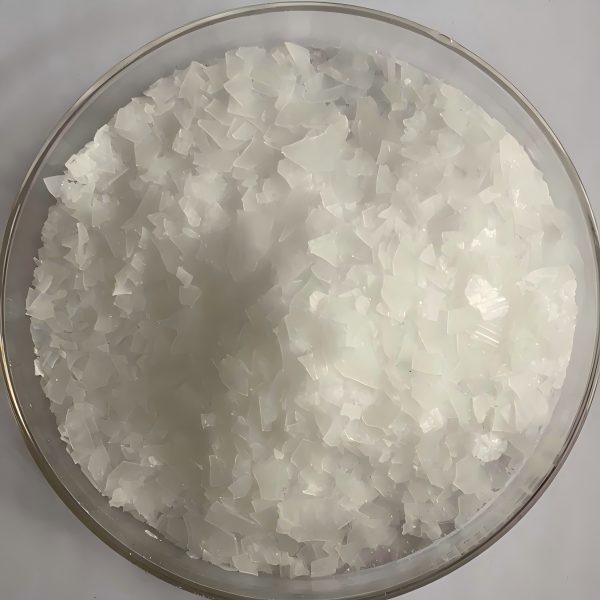
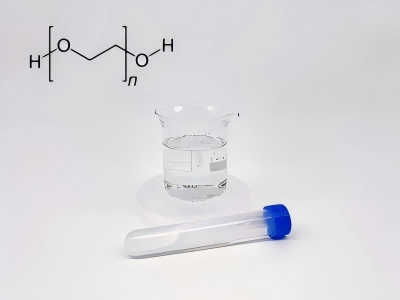
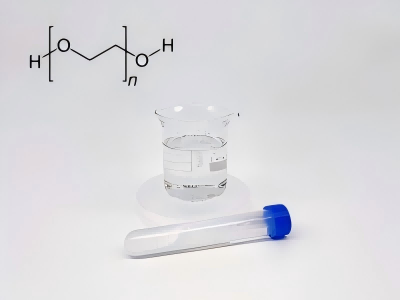
Polyethylene glycol 300
Chinese name: Polyethylene glycol
Chemical name: Polyethylene Glycol
INCI Name: Polyethylene Glycol
CAS Registry Number: 25322-68-3
EINECS login ID: 500-038-2
HS Code: 3907210000
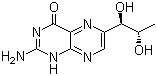
Molecular formula: ( C₂H₄O ) n
Molecular weight: 300
Synonyms: Polyethyleneoxide, Macrogol, Carbowax; CarbowaxSentry; Lipoxol; LutrolE; macrogola; PEG; PluriolE, polyoxyethyleneglycol, PEG 3 00, Macrogol 3 00.
Application areas
|
Application areas
|
Application Notes
|
|
Food Industry
|
It is used for emulsification, thickening, stabilization, moisturizing, and defoaming . In food , it increases viscosity and texture, and is used to prevent ice crystal formation in baked goods, thicken sauces, and act as a preservative. In beverages , it is used as an defoamer to control foam in beer and soft drink production.
|
|
manufacturing
|
It is used as a coolant and antifreeze to ensure the normal operation of automobiles, industrial equipment and air conditioning systems at low temperatures; it is also used as a processing aid in the fields of lubricants, coatings, and textiles to improve product performance.
|
|
Pharmaceutical manufacturing
|
As a basic excipient in pharmaceutical preparations, it is widely used in the preparation of various drugs and medical supplies.
|
|
Daily chemical industry
|
It is commonly used as a wetting agent and consistency regulator in products such as creams, lotions, toothpaste, shaving creams, and detergents; it is also suitable for leave-in hair care products, giving hair a smooth, shiny texture and a better feel.
|
Packaging
tonnes, drums and tank trucks
Stability and storage conditions
Polyethylene glycol (PEG) is hygroscopic and should be stored in tightly closed containers, such as glass, plastic, aluminum, and stainless steel containers, in a cool, dry place, avoiding direct sunlight. PEG is a flammable liquid; therefore, fire safety regulations must be followed during storage and handling. Keep away from open flames, heat sources, and oxidizers.
Product Compliance
|
Indicator range
|
GB1886.302
|
HG/T4134
|
USP
|
GB/T22114
|
BP
|
CP
|
|
Senses
|
Colorless and transparent liquid
|
Colorless and transparent liquid
|
/
|
Colorless and transparent liquid
|
White waxy solid
|
/
|
|
Average molecular weight
|
|
|
/
|
300
|
/
|
/
|
|
pH value (5%)
|
4.5-7.5
|
5.0-7.0
|
4.5-7.5
|
4.0-7.5
|
/
|
4.0-7.0
|
|
Moisture, %
|
/
|
≤0.3
|
/
|
/
|
≤1.0
|
≤1.0
|
|
Burning residue, %
|
≤0.2
|
/
|
≤0.1
|
≤0.1
|
≤0.2
|
≤0.1
|
|
kinematic viscosity
|
3.9-4.8 (100℃)
|
/
|
3.9-4.8 (100℃)
|
3.9-4.8 (100℃)
|
/
|
/
|
|
Formaldehyde, ppm
|
/
|
/
|
/
|
≤30
|
≤30
|
≤30
|
|
Lead, ppm
|
≤1.0
|
/
|
/
|
/
|
/
|
/
|
|
Arsenic, ppm
|
≤1.0
|
/
|
/
|
≤2.0
|
/
|
≤3.0
|
|
Heavy metals, ppm
|
/
|
/
|
≤5.0
|
≤5.0
|
/
|
≤5.0
|
|
Acid value, %
|
≤0.05
|
/
|
/
|
/
|
≤0.1mL NaOH
|
/
|
|
Ethylene oxide, ppm
|
≤200
|
/
|
≤10
|
≤1
|
≤1
|
≤1
|
|
Dioxane, ppm
|
≤10
|
/
|
≤10
|
≤10
|
≤10
|
≤10
|
|
Ethylene glycol + diethylene glycol content, %
|
≤0.25
|
/
|
≤0.25
|
/
|
≤0.4
|
/
|
|
Hydroxyl value, mgKOH/g
|
|
534.0-590.0
|
/
|
/
|
/
|
/
|
|
Chromaticity, Hazen
|
/
|
≤30
|
/
|
/
|
/
|
/
|
|
Reducing substances
|
/
|
/
|
/
|
/
|
Through experiments
|
/
|
bio-equip.cn
 中文
中文