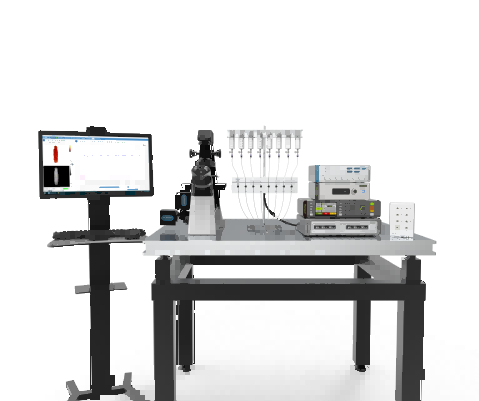
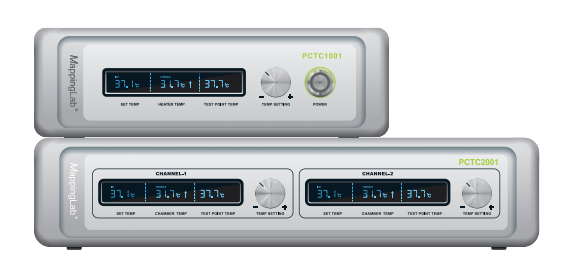
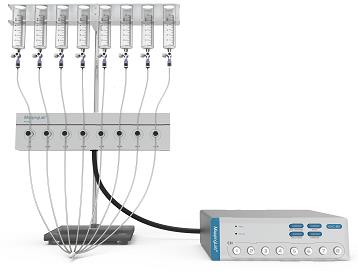
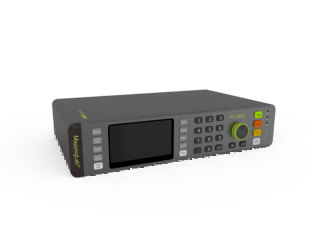
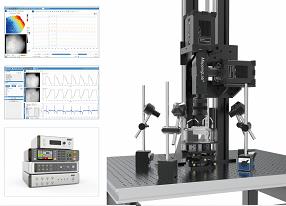
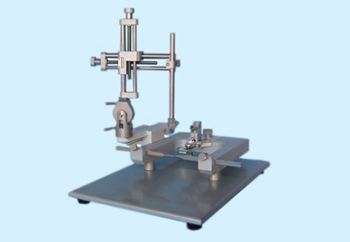
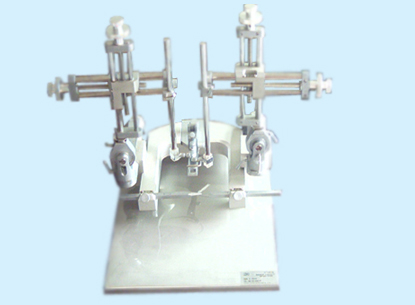
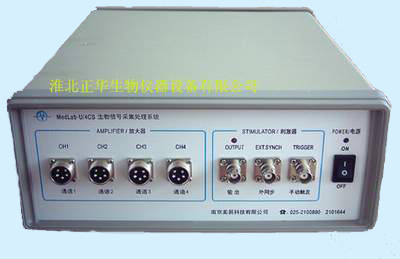
System Introduction:
Calcium imaging contractility mapping system loads calcium (or other ion) fluorescent dyes into the target cells. The calcium fluorescent dyes enter the cytoplasm and bind to intracellular calcium ions, with the fluorescence signal varying dynamically in response to changes in calcium concentration. Using optical filters, the optical imaging system records the changes in the fluorescence signal. Additionally, the system is equipped with a geometric measurement function for single cells, which simultaneously detects intracellular calcium signals and records the physical contraction changes of cells. These signals are then converted into digital signals and transmitted to a computer for data recording, storage, and analysis.
Parameters:
Calcium signals:
duration of calcium transient (CTD10-90), dispersion of calcium transient duration (CTD10-90), peak time and recovery time, amplitude, intracellular calcium conduction, visualization video of intracellular calcium activity, as well as sarcoplasmic reticulum/endoplasmic reticulum calcium reserves, and functions of RyR2, SERCA, NCX, etc.
Contract signals:
cell length, contraction and relaxation time, contraction time and rate, relaxation time and rate, cell relaxation or contraction length, excitation-contraction coupling time (EC Coupling Time), etc.
Action potential signals:
conduction time, direction, velocity, dispersion, depolarization rate, time to peak, action potential duration (APD 10-90), action potential duration (APD10-90) dispersion, and visualized video.
Applications:
The study of the difference of calcium ion change and contraction in different cells, such as cardiomyocytes, smooth muscle cells, skeletal muscle, macrophages, chondrocytes, etc.
Abnormal calcium ion regulation caused by different diseases or genetic mutations can affect contractile function, which corresponds to functional changes in cellular calcium-handling channels such as CaV1.2, RyR2, and SERCA.
Drug Screening for Cardiovascular and Cerebrovascular Diseases.
Evaluation of organoid functions supports research in drug safety assessment and pathological model construction.
In the field of neuroscience, monitoring changes in intracellular calcium ions within neurons, studying neuronal excitability and synaptic transmission processes, as well as the connectivity patterns and functional characteristics of neural circuits.
bio-equip.cn
 中文
中文