 中文
中文


Home > News > Analyzing the Core Role of the Phenylpropanoid Metabolic Pathway in Plant Life Activities
Analyzing the Core Role of the Phenylpropanoid Metabolic Pathway in Plant Life Activities
Analyzing the Core Role of the Phenylpropanoid Metabolic Pathway in Plant Life Activities: The Utility of Rabbit Polyclonal Antibodies
1. ConceptThe phenylpropanoid pathway is a core branch of plant secondary metabolism, producing diverse bioactive compounds (flavonoids, lignin, resveratrol, anthocyanins, etc.). These metabolites are critical for plant morphogenesis, growth regulation, and environmental adaptation—supporting defense against pathogens, abiotic stress tolerance, pigmentation, and cell wall reinforcement. Phenylalanine ammonia-lyase (PAL), the gateway enzyme of this pathway, catalyzes the deamination of L-phenylalanine to trans-cinnamic acid, linking primary and secondary metabolism. Rabbit polyclonal antibodies serve as powerful tools for studying PAL and the phenylpropanoid pathway, enabling precise protein-level detection and functional analysis.
2. Research Frontiers
2.1 Significance of the Phenylpropanoid Pathway in Plant Biology
The pathway’s functional diversity underpins plant survival and adaptation:
* Multifunctional Metabolites: Lignin reinforces cell walls; flavonoids and anthocyanins protect against UV radiation and attract pollinators; phytoalexins defend against pathogens.
* Environmental Adaptation: Metabolites produced via this pathway help plants cope with biotic (pathogens, herbivores) and abiotic (drought, temperature fluctuations) stresses.
* Evolutionary Value: The pathway’s conservation across plant taxa (from algae to angiosperms) reflects its adaptive importance in plant evolution.
2.2 Key Position of Phenylalanine Ammonia-Lyase (PAL) in the Metabolic Network
PAL is the rate-limiting enzyme controlling carbon flux into the phenylpropanoid pathway:
* Biochemical Function: As a member of the ammonia-lyase family, PAL catalyzes the irreversible conversion of L-phenylalanine to trans-cinnamic acid—providing precursors for all downstream phenylpropanoid metabolites.
* Taxonomic Specificity: PAL is exclusive to plants (absent in animals), highlighting its role in plant-specific secondary metabolism.
* Flux Regulation: PAL activity directly determines the abundance of phenylpropanoid metabolites, making it a central regulatory node.
2.3 Evolutionary Characteristics and Expression Regulation of the PAL Gene Family
The PAL gene family exhibits unique evolutionary and regulatory traits:
* Multi-Gene Family Expansion: Gene copy numbers vary widely across species—Arabidopsis and alfalfa have 4 PAL genes, rice has 12, and potato has 40–50—reflecting species-specific metabolic demands.
* Multi-Level Regulation:
Transcriptional Control: MYB transcription factors bind PAL promoter cis-elements to regulate expression.
Post-Translational Regulation: Kelch domain F-box proteins mediate PAL ubiquitination and degradation via the proteasome pathway.
Epigenetic Regulation: DNA demethylation alters chromatin structure, influencing transcription factor binding and PAL expression.
2.4 Environmental Signal Regulation of Plant Adaptive Responses via PAL
Plants integrate internal and external signals to modulate PAL activity:
* Biotic Stress Induction: Pathogen infection or insect herbivory rapidly upregulates PAL, promoting synthesis of defensive metabolites (lignin, phytoalexins).
* Abiotic Stress Modulation: Light intensity, temperature, and drought alter PAL activity, adjusting metabolic flux to prioritize stress tolerance.
* Hormone-Mediated Signaling: Auxin, jasmonate, and other hormones regulate PAL expression through transcription factor modules, balancing growth and defense.
2.5 Technical Advantages of Rabbit Polyclonal Antibodies in PAL Research
Rabbit polyclonal antibodies are ideal for PAL protein studies due to their unique strengths:
* Multi-Epitope Recognition: Bind multiple epitopes on the PAL protein, enhancing detection sensitivity—critical for low-abundance protein analysis.
* High Affinity and Specificity: Rabbit-derived antibodies distinguish PAL homologous proteins, reducing cross-reactivity.
* Cross-Species Applicability: Tolerate interspecies sequence variations, enabling use across multiple plant species.
* Versatile Detection: Compatible with Western blot (WB), immunofluorescence (IF), and immunoprecipitation (IP), supporting studies on PAL expression, localization, and dynamic changes.
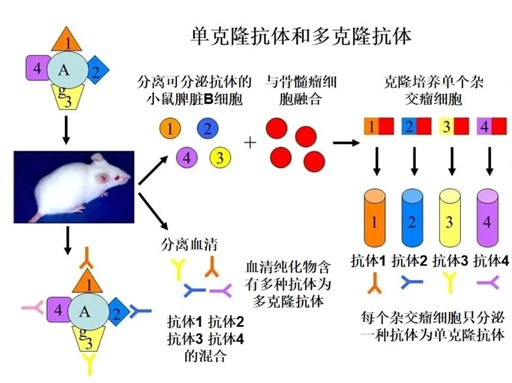
2.6 Future Research Directions
PAL and phenylpropanoid pathway research will advance in key areas:
* Cell-Type and Developmental Specificity: Resolving PAL’s functions in distinct cell types and developmental stages.
* Applied Crop Improvement: Regulating PAL activity to enhance crop quality (e.g., anthocyanin content) and stress resistance.
* Technological Innovation: Developing more specific antibodies and live imaging tools for high spatiotemporal resolution studies.
* Cross-Species Comparative Studies: Exploring PAL gene family evolution and its link to species adaptation.
3. Research Significance
The phenylpropanoid pathway is a cornerstone of plant biology, enabling plants to adapt to complex environments and fulfill ecological roles. PAL, as its key regulatory enzyme, controls the production of metabolites critical for growth, defense, and reproduction. Rabbit polyclonal antibodies address a critical need for precise protein-level detection, facilitating in-depth analysis of PAL’s regulation and function. This research not only enhances our understanding of plant secondary metabolism but also provides theoretical foundations and technical tools for crop improvement—e.g., developing stress-tolerant varieties or optimizing valuable metabolite production. Additionally, insights into PAL’s evolutionary and regulatory mechanisms offer broader perspectives on plant adaptation and metabolic network evolution.
4. Related Mechanisms, Research Methods, and Product Applications
4.1 Mechanisms
The phenylpropanoid pathway’s core mechanisms revolve around PAL-mediated flux control:
* Metabolic Branching: PAL-derived trans-cinnamic acid diverges into subpathways for synthesizing lignin, flavonoids, and other metabolites, regulated by downstream enzymes and environmental signals.
* Stress Response Signaling: Environmental stresses activate signaling cascades (e.g., MAPK pathways) that converge on PAL regulation, prioritizing defensive metabolite production.
4.2 Research Methods
Key methods for studying the pathway and PAL include:
* Protein Detection: Western blot (PAL expression quantification), immunofluorescence (subcellular localization), and immunoprecipitation (protein-protein interactions).
* Enzyme Activity Assays: Colorimetric or spectrophotometric assays to measure PAL activity by detecting trans-cinnamic acid production.
* Gene Expression Analysis: RT-qPCR to quantify PAL gene transcription in response to stresses or developmental cues.
* Metabolite Profiling: HPLC or LC-MS to analyze phenylpropanoid metabolite abundance and composition.
4.3 Product Applications
ANT BIO PTE. LTD.’s rabbit polyclonal antibodies—exemplified by the "L-Lactyl Lysine Rabbit Polyclonal Antibody" (Catalog No.: S0B0719)—offer versatile tools for plant metabolism and epigenetics research:
* Metabolic-Epigenetic Crosstalk: Investigating how metabolites regulate gene expression via protein lactylation.
* Plant Stress Physiology: Studying PAL and phenylpropanoid metabolite regulation in response to biotic/abiotic stresses.
* Crop Improvement Research: Evaluating PAL expression and activity in stress-tolerant or high-value metabolite-producing crop varieties.
* Evolutionary Biology: Comparing PAL protein expression across plant species to understand pathway evolution.
The S0B0719 antibody offers high modification specificity, broad recognition, and excellent batch consistency—ensuring reliable results in long-term research projects.
5. Brand Mission
ANT BIO PTE. LTD. is dedicated to empowering the global life science community with high-quality, innovative biological reagents and solutions. Leveraging advanced development platforms—including recombinant rabbit monoclonal antibody, recombinant mouse monoclonal antibody, rapid monoclonal antibody, and multi-system recombinant protein expression platforms (E.coli, CHO, HEK293, Insect Cells)—and adhering to rigorous international certifications (EU 98/79/EC, ISO9001, ISO13485), we strive to deliver reliable, performance-proven tools that accelerate scientific breakthroughs in plant biology, metabolism, and crop science. Our commitment to quality and innovation aims to support researchers and agronomists in advancing sustainable agriculture and plant resource utilization.
6. Related Product List
| Catalog No. | Product Name | Host |
| S0B0719 | L-Lactyl Lysine Rabbit Polyclonal Antibody | Rabbit |
| S0B0655 | Acetyllysine Rabbit polyclonal antibody | Rabbit |
| S0B0450 | TRF Recombinant Rabbit mAb (S-613-85) | Rabbit |
| S0B0474 | Calreticulin Recombinant Rabbit mAb (S-R353) | Rabbit |
| S0B0005 | β-actin Rabbit mAb (SDT-R015) | Rabbit |
7. AI Disclaimer
This article is AI-compiled and interpreted based on the original work. All intellectual property (e.g., images, data) of the original publication shall belong to the journal and the research team. For any infringement, please contact us promptly and we will take immediate action.
ANT BIO PTE. LTD. – Empowering Scientific Breakthroughs
At ANTBIO, we are committed to advancing life science research through high-quality, reliable reagents and comprehensive solutions. Our specialized sub-brands (Absin, Starter, UA) cover a full spectrum of research needs, from general reagents and kits to antibodies and recombinant proteins. With a focus on innovation, quality, and customer-centricity, we strive to be your trusted partner in unlocking scientific mysteries and driving medical progress. Explore our product portfolio today and elevate your research to new heights.
Related News
- Prestained Protein Marker: A Comprehensive Guide for Western Blot and Protein El 9/17/2026
- PSEN1 Antibody: A Critical Tool for Deciphering Alzheimer's Disease Pathogenesis 9/16/2026
- SHP Substrate 1 Recombinant Protein: Molecular Design, Functional Mechanisms and 9/15/2026
- Research Progress on Hepatic Lectin H1 Protein 9/14/2026
- PIC Paired Antibodies: A Comprehensive Analysis of Principles, Preparation, and 9/11/2026
- CMS: Initial Prescriptions for Silevimig Injection, the World's First Bispecific 9/10/2026
- Precision in Practice: Why Skilled Manufacturing Remains Central to Titan Enterp 9/10/2026
- Adagene Achieves Milestone in Collaboration with Exelixis for Advancement of SAF 9/10/2026
- Avi-Tag Technology: High-Precision Biotinylation Labeling Facilitates Molecular 9/10/2026
- ANT BIO: The Remarkable Biotinylated Proteins 9/9/2026