 中文
中文


Home > News > Neural Research Antibodies: The Key to Unraveling the Mysteries of the Brain
Neural Research Antibodies: The Key to Unraveling the Mysteries of the Brain
- 1. Concept
Neural research antibodies are foundational tools in neuroscience, rooted in their inherent immunological property of binding specific antigen epitopes with high affinity and specificity. These antigens primarily include nervous system-specific or highly expressed proteins, such as neurotransmitters, neuropeptides, ion channels, membrane receptors, signal transduction molecules, and cytoskeletal proteins. Acting as "precision molecular probes," they enable localization and quantification of target proteins, transforming invisible molecular events into observable signals. This capability underpins the study of neuronal structure, neural circuit connectivity, and brain function, making them indispensable for unlocking the brain’s mysteries.
2. Research Frontiers
2.1 Serving as "Precision Probes" at the Molecular Level
Neural research antibodies deliver core value through two key functions:
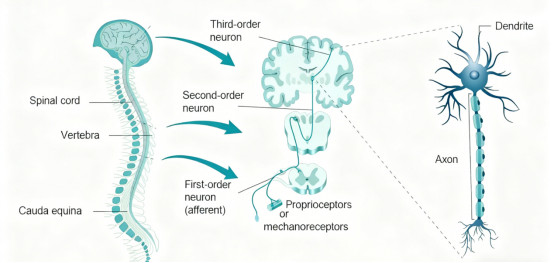
Localization: Immunohistochemistry (IHC) and immunofluorescence (IF) techniques use labeled antibodies to precisely map the spatial distribution of target proteins in brain tissue sections or fixed cells. For example, microtubule-associated protein 2 (MAP2) antibodies outline neuronal dendrites, while synaptophysin antibodies mark synaptic terminals—revealing neuronal subpopulation morphology, synaptic fine structure, and neural circuit connectivity.
Quantification: Western blotting (WB) and enzyme-linked immunosorbent assay (ELISA) enable relative or absolute quantification of neural proteins, providing reliable data on expression changes under physiological or pathological conditions (e.g., neurodegenerative diseases).
2.2 Key Technologies Dependent on Antibody Specificity
Antibody specificity drives breakthroughs in multiple neuroscience technologies:
Histochemical Techniques: IHC and IF, combined with confocal/super-resolution microscopy, achieve nanometer-level localization precision, resolving protein composition within individual synapses.
Protein Analysis Techniques: WB analyzes protein expression levels and molecular weights; immunoprecipitation (IP) isolates protein complexes to study interactions, critical for elucidating neural signaling pathways.
Neuronal Type and Circuit Analysis: Antibodies against transcription factors or calcium-binding proteins distinguish excitatory pyramidal neurons from inhibitory interneurons. When combined with transgenic or viral tracing techniques, they enable precise mapping of functional neural connections.
2.3 Specificity Challenges and Standardized Validation
The main challenge in antibody application is non-specific binding and cross-reactivity, as nervous system proteins often have homologous family members or shared post-translational modifications. Rigorous multidimensional validation is critical:
Genetic Validation: Confirm antibody signal disappearance when the target protein is knocked out/down.
Orthogonal Validation: Use antibody-independent techniques (e.g., RNA sequencing) to corroborate results.
Mass Spectrometry Validation: Analyze IP-isolated protein complexes to confirm capture specificity.
Standardized validation ensures experimental reproducibility and reliability, preventing misinterpretation of data.
2.4 Future Directions for Neural Research Antibodies
As neuroscience advances toward refinement and systematization, antibody development focuses on three key trends:
Higher Specificity: Engineering antibodies to distinguish highly homologous proteins and specific post-translational modifications (e.g., phosphorylated Tau).
Multidimensional Applications: Developing antibodies compatible with single-cell sequencing, spatial transcriptomics, and live-cell imaging to integrate molecular, cellular, and circuit-level data.
Large-Scale Integration: Creating antibody panels for high-throughput analysis of neural proteomes, supporting systematic studies of brain development and disease.
3. Research Significance
Neural research antibodies address a critical need in neuroscience by bridging molecular biology and brain function. They enable visualization and quantification of key neural proteins, advancing understanding of neuronal development, synaptic transmission, and neural circuit formation. In disease research, they facilitate the study of pathological mechanisms (e.g., Tau aggregation in Alzheimer’s disease) and support drug screening for neurodegenerative disorders. Standardized, high-specificity antibodies ensure research reproducibility, fostering collaboration across the scientific community. As indispensable tools, they drive progress in decoding brain function and developing treatments for neurological diseases.
4. Related Mechanisms, Research Methods, and Product Applications
4.1 Mechanisms
Neural research antibodies function through specific antigen-antibody interactions:
Epitope Recognition: Bind unique epitopes on target neural proteins, ensuring selective detection even in complex brain tissue samples.
Signal Amplification: Labeled secondary antibodies or detection systems amplify weak signals, enabling visualization of low-abundance proteins.
4.2 Research Methods
Key methods leveraging neural research antibodies include:
Localization Techniques: IHC (tissue sections) and IF (cells/tissues) for spatial distribution analysis; super-resolution microscopy for synaptic-level precision.
Quantification Techniques: WB (relative expression) and ELISA (absolute quantification) for protein expression analysis.
Interaction and Circuit Analysis: IP (protein-protein interactions) and viral tracing combined with antibody labeling (neural circuit mapping).
4.3 Product Applications
ANT BIO PTE. LTD.’s "Tau Recombinant Rabbit Monoclonal Antibody" (Catalog No.: S0B3060) is a high-performance tool for neuroscience research:
Core Advantages: High specificity for total Tau protein, clear axonal localization in brain tissues and neuronal cultures, minimal background, and excellent batch consistency.
Key Application Scenarios:
Neurodegenerative Disease Research: Detection and quantification of Tau pathologies (neurofibrillary tangles) in Alzheimer’s and other Tauopathies.
Neuronal Development Studies: Investigation of neuronal polarity, axonal growth, and cytoskeletal regulation.
Animal Model Validation: Assessment of Tau expression and aggregation in transgenic Tauopathy models.
Drug Development: Pharmacodynamic evaluation of Tau-targeted therapies (e.g., aggregation inhibitors).
5. Brand Mission
ANT BIO PTE. LTD. is dedicated to empowering the global life science community with high-quality, innovative biological reagents and solutions. Leveraging advanced development platforms—including recombinant rabbit monoclonal antibody, recombinant mouse monoclonal antibody, rapid monoclonal antibody, and multi-system recombinant protein expression platforms (E.coli, CHO, HEK293, Insect Cells)—and adhering to rigorous international certifications (EU 98/79/EC, ISO9001, ISO13485), we strive to deliver reliable, performance-proven tools that accelerate scientific breakthroughs in neuroscience, neurodegenerative diseases, and translational medicine. Our commitment to quality and innovation aims to support researchers and clinicians in advancing human health through cutting-edge brain research.
6. Related Product List
| Catalog No. | Product Name | Host |
| S0B3172 | Tau (phospho T217) Recombinant Rabbit mAb (SDT-176-13) | Rabbit |
| S0B3279 | NFL Recombinant Rabbit mAb (SDT-635-214) | Rabbit |
| S0B3060 | Tau Recombinant Rabbit mAb (SDT-171-67) | Rabbit |
| S0B3059 | Tau Recombinant Rabbit mAb (SDT-171-45) | Rabbit |
| S0B3099 | Tau (phospho T181) Recombinant Rabbit mAb (SDT-R045) | Rabbit |
7. AI Disclaimer
This article is AI-compiled and interpreted based on the original work. All intellectual property (e.g., images, data) of the original publication shall belong to the journal and the research team. For any infringement, please contact us promptly and we will take immediate action.
ANT BIO PTE. LTD. – Empowering Scientific Breakthroughs
At ANTBIO, we are committed to advancing life science research through high-quality, reliable reagents and comprehensive solutions. Our specialized sub-brands (Absin, Starter, UA) cover a full spectrum of research needs, from general reagents and kits to antibodies and recombinant proteins. With a focus on innovation, quality, and customer-centricity, we strive to be your trusted partner in unlocking scientific mysteries and driving medical progress. Explore our product portfolio today and elevate your research to new heights.
Related News
- Prestained Protein Marker: A Comprehensive Guide for Western Blot and Protein El 9/17/2026
- PSEN1 Antibody: A Critical Tool for Deciphering Alzheimer's Disease Pathogenesis 9/16/2026
- SHP Substrate 1 Recombinant Protein: Molecular Design, Functional Mechanisms and 9/15/2026
- Research Progress on Hepatic Lectin H1 Protein 9/14/2026
- PIC Paired Antibodies: A Comprehensive Analysis of Principles, Preparation, and 9/11/2026
- CMS: Initial Prescriptions for Silevimig Injection, the World's First Bispecific 9/10/2026
- Precision in Practice: Why Skilled Manufacturing Remains Central to Titan Enterp 9/10/2026
- Adagene Achieves Milestone in Collaboration with Exelixis for Advancement of SAF 9/10/2026
- Avi-Tag Technology: High-Precision Biotinylation Labeling Facilitates Molecular 9/10/2026
- ANT BIO: The Remarkable Biotinylated Proteins 9/9/2026