Product Description
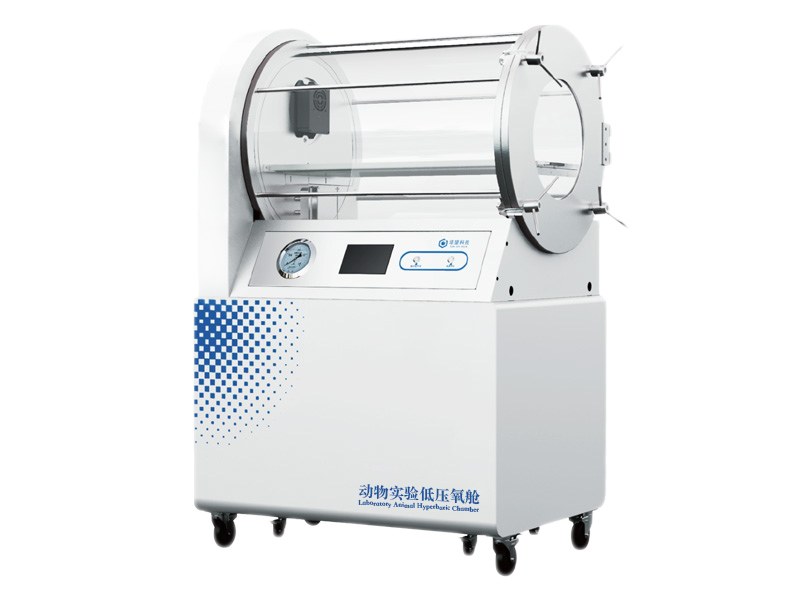
The Hypobaric Chamber for animal experiments is a device specially designed for experimental animals to perform hyperbaric oxygen. It has manual and automatic operation modes and can be used for research on various hypoxic or hyperoxic symptoms.
Features (Animal Hypoxia and Hyperoxia Chamber)
· Adopt a 10-inch touch screen, easy to operate
· Real-time display of dynamic change curves of pressure and oxygen concentration
· Working pressure is 0-0.3MPa
· With automatic ventilation function, abide by Good Animal Feeding Practice
· The animal chamber is made of imported thickened acrylic, which is strong and durable
· It has a pull-out type of animal bedding, which is convenient for putting animals and cleaning
· With a gas buffer, reducing the impact of fine jet stream gas on animals
· Multi-stage air filter ensures clean gas while removing particulate matter, moisture, oil, and oil vapour from the air supply
· Provide a multi-directional alarm function to remind experimenters of abnormal state
Applications
· Quickly correct the body's hypoxic state
· Improve micro-circulation
· Prevent all kinds of edema
· Promote the establishment of collateral circulation and increase the permeability of the blood-brain barrier
· Accelerate lesion repair
· Inhibit the growth of bacteria and microorganisms
Models
| Product Name |
Model |
Descriptions |
| Hyperbaric Chamber |
ProOx-820 |
For hyperbaric researches |
We also have the Animal Hypobaric Chamber, please click here for detailed information.
Customer List
1. Army Medical University
2. Academy of Military Medical Sciences
3. Air Force Medical University
4. Henan University
5. Hunan Experimental Animal Center
6. Chengdu University of Chinese Medicine
7. The General Hospital of the People's Liberation Army (301 Hospital
8. China Pharmaceutical University
9. Peking University
10. Lanzhou University
11. Sichuan Provincial People's Hospital
12. Nantong University
13. Shanghai Jiaotong University Children's Medical Center
14. Beijing Military Research Institute
15. Institute of Chinese Academy of Sciences
16. Wuhan University
17. Hubei University of Chinese Medicine
18. Daping Hospital
References
[1] Drekolia M K, Mettner J, Wang D, et al. Cystine import and oxidative catabolism fuel vascular growth and repair via nutrient-responsive histone acetylation[J]. Cell Metabolism (IF 30.9), 2025.
[2] Wu L W, Chen M, Jiang C Y, et al. Inactivation of AXL in Cardiac Fibroblasts Alleviates Right Ventricular Remodeling in Pulmonary Hypertension[J]. Advanced Science (IF 14.1), 2025: e08995.
[3] Lei R, Gu M, Li J, et al. Lipoic acid/trometamol assembled hydrogel as injectable bandage for hypoxic wound healing at high altitude[J]. Chemical Engineering Journal (IF 13.4), 2024, 489: 151499.
[4] Li Z, Li H, Qiao W, et al. Multi-omics dissection of high TWAS-active endothelial pathogenesis in pulmonary arterial hypertension: bridging single-cell heterogeneity, machine learning-driven biomarkers, and developmental reprogramming[J]. International Journal of Surgery (IF 10.1), 10.1097.
[5] Pei Y, Huang L, Wang T, et al. Bone marrow mesenchymal stem cells loaded into hydrogel/nanofiber composite scaffolds ameliorate ischemic brain injury[J]. Materials Today Advances (IF 10), 2023, 17: 100349.
[6] Wang Q, Liu J, Li R, et al. Macrophage κ-opioid receptor inhibits hypoxic pulmonary hypertension progression and right heart dysfunction via an SCD1-dependent anti-inflammatory response[J]. Genes & Diseases (IF 9.4), 2025: 101604.
[7] Wang Y, Zhang R, Chen Q, et al. PPARγ Agonist Pioglitazone Prevents Hypoxia-induced Cardiac Dysfunction by Reprogramming Glucose Metabolism[J]. International Journal of Biological Sciences, 2024, 20(11): 4297.
[8] Wang Y, Shen P, Wu Z, et al. Plasma Proteomic Profiling Reveals ITGA2B as a key regulator of heart health in high-altitude settlers[J]. Genomics, Proteomics & Bioinformatics, 2025: qzaf030.
[9] Lan Y, Zhao S, Song Y, et al. Physicochemical properties of selenized quinoa protein hydrolysate and its regulatory effects on neuroinflammation and gut microbiota in hypoxic mice[J]. Journal of Future Foods, 2025.
[10] Pan Z, Yao Y, Liu X, et al. Nr1d1 inhibition mitigates intermittent hypoxia-induced pulmonary hypertension via Dusp1-mediated Erk1/2 deactivation and mitochondrial fission attenuation[J]. Cell Death Discovery, 2024, 10(1): 459.
[11] Zhou Y, Ni Z, Liu J, et al. Gut Microbiota‐Associated Metabolites Affected the Susceptibility to Heart Health Abnormality in Young Migrants at High‐Altitude: Gut Microbiota and Associated Metabolites Impart Heart Health in Plateau[C]//Exploration. 2025: 20240332.
[12] Li C, Zhao Z, Jin J, et al. NLRP3-GSDMD-dependent IL-1β Secretion from Microglia Mediates Learning and Memory Impairment in a Chronic Intermittent Hypoxia-induced Mouse Model[J]. Neuroscience, 2024, 539: 51-65.
[13] Yang W, Li M, Ding J, et al. High-altitude hypoxia exposure inhibits erythrophagocytosis by inducing macrophage ferroptosis in the spleen[J]. Elife, 2024, 12: RP87496.
[14] You Z, Huang Q, Zeng L, et al. Rab26 promotes hypoxia-induced hyperproliferation of PASMCs by modulating the AT1R-STAT3-YAP axis[J]. Cellular and Molecular Life Sciences, 2025, 82(1): 1-16.
[15] Pei C, Shen Z, Wu Y, et al. Eleutheroside B Pretreatment Attenuates Hypobaric Hypoxia‐Induced High‐Altitude Pulmonary Edema by Regulating Autophagic Flux via the AMPK/mTOR Pathway[J]. Phytotherapy Research, 2024, 38(12): 5657-5671.
[16] Duan H, Han Y, Zhang H, et al. Eleutheroside B Ameliorates Cardiomyocytes Necroptosis in High-Altitude-Induced Myocardial Injury via Nrf2/HO-1 Signaling Pathway[J]. Antioxidants, 2025, 14(2): 190.
[17] Song J, Zheng J, Li Z, et al. Sulfur dioxide inhibits mast cell degranulation by sulphenylation of galectin-9 at cysteine 74[J]. Frontiers in Immunology, 2024, 15: 1369326.
[18] Jia N, Shen Z, Zhao S, et al. Eleutheroside E from pre-treatment of Acanthopanax senticosus (Rupr. etMaxim.) Harms ameliorates high-altitude-induced heart injury by regulating NLRP3 inflammasome-mediated pyroptosis via NLRP3/caspase-1 pathway[J]. International Immunopharmacology, 2023, 121: 110423.
[19] Huang Q, Han X, Li J, et al. Intranasal Administration of Acetaminophen-Loaded Poly (lactic-co-glycolic acid) Nanoparticles Increases Pain Threshold in Mice Rapidly Entering High Altitudes[J]. Pharmaceutics, 2025, 17(3): 341.
[20] Wu Y, Tang Z, Du S, et al. Oral quercetin nanoparticles in hydrogel microspheres alleviate high-altitude sleep disturbance based on the gut-brain axis[J]. International Journal of Pharmaceutics, 2024, 658: 124225.
[21] Zhou Z, Zhao Q, Huang Y, et al. Berberine ameliorates chronic intermittent hypoxia‐induced cardiac remodelling by preserving mitochondrial function, role of SIRT6 signalling[J]. Journal of Cellular and Molecular Medicine, 2024, 28(12): e18407.
[22] Shang W, Huang Y, Xu Z, et al. The impact of a high-carbohydrate diet on the cognitive behavior of mice in a low-pressure, low-oxygen environment[J]. Food & Function, 2025, 16(3): 1116-1129.
[23] Pei C, Jia N, Wang Y, et al. Notoginsenoside R1 protects against hypobaric hypoxia-induced high-altitude pulmonary edema by inhibiting apoptosis via ERK1/2-P90rsk-BAD ignaling pathway[J]. European Journal of Pharmacology, 2023, 959: 176065.
[24] Xie L, Wu Q, Huang H, et al. Neuroregulation of histamine of circadian rhythm disorder induced by chronic intermittent hypoxia[J]. European Journal of Pharmacology, 2025: 177662.
[25] Ding Y, Liu W, Zhang X, et al. Bicarbonate-Rich Mineral Water Mitigates Hypoxia-Induced Osteoporosis in Mice via Gut Microbiota and Metabolic Pathway Regulation[J]. Nutrients, 2025, 17(6): 998.
[26] Gu N, Shen Y, He Y, et al. Loss of m6A demethylase ALKBH5 alleviates hypoxia-induced pulmonary arterial hypertension via inhibiting Cyp1a1 mRNA decay[J]. Journal of Molecular and Cellular Cardiology, 2024.
[27] Luan X, Zhu D, Hao Y, et al. Qibai Pingfei Capsule ameliorated inflammation in chronic obstructive pulmonary disease (COPD) via HIF-1 α/glycolysis pathway mediated of BMAL1[J]. International Immunopharmacology, 2025, 144: 113636.
[28] Jiang H, Lu C, Wu H, et al. Decreased cold‐inducible RNA‐binding protein (CIRP) binding to GluRl on neuronal membranes mediates memory impairment resulting from prolonged hypobaric hypoxia exposure[J]. CNS Neuroscience & Therapeutics, 2024, 30(9): e70059.
[29] Chang P, Xu M, Zhu J, et al. Pharmacological Inhibition of Mitochondrial Division Attenuates Simulated High‐Altitude Exposure‐Induced Memory Impairment in Mice: [30] Involvement of Inhibition of Microglia‐Mediated Synapse Elimination[J]. CNS Neuroscience & Therapeutics, 2025, 31(6): e70473.
[30] Liu C, Qu D, Li C, et al. miR‐448‐3p/miR‐1264‐3p Participates in Intermittent Hypoxic Response in Hippocampus by Regulating Fam76b/hnRNPA2B1[J]. CNS Neuroscience & Therapeutics, 2025, 31(2): e70239.
[31] Wu L W, Chen M, Jiang D J, et al. TCF7 enhances pulmonary hypertension by boosting stressed natural killer cells and their interaction with pulmonary arterial smooth muscle cells[J]. Respiratory Research, 2025, 26(1): 202.
[32] Xie L, Wu Q, Huang H, et al. Neuroregulation of histamine of circadian rhythm disorder induced by chronic intermittent hypoxia[J]. European Journal of Pharmacology, 2025: 177662.
[33] Cai S, Li Z, Bai J, et al. Optimized oxygen therapy improves sleep deprivation-induced cardiac dysfunction through gut microbiota[J]. Frontiers in Cellular and Infection Microbiology, 2025, 15: 1522431.
[34] Wang X, Xie Y, Niu Y, et al. CX3CL1/CX3CR1 signal mediates M1-type microglia and accelerates high-altitude-induced forgetting[J]. Frontiers in Cellular Neuroscience, 2023, 17: 1189348.
[35] He Y, Wang Y, Duan H, et al. Pharmacological targeting of ferroptosis in hypoxia-induced pulmonary edema: therapeutic potential of ginsenoside Rg3 through activation of the PI3K/AKT pathway[J]. Frontiers in Pharmacology, 2025, 16: 1644436.
[36] Guo Y, Qin J, Sun R, et al. Molecular hydrogen promotes retinal vascular regeneration and attenuates neovascularization and neuroglial dysfunction in oxygen-induced retinopathy mice[J]. Biological Research, 2024, 57.
[37] Liu L, Zhang J, Song S, et al. Paraventricular nucleus neurons: important regulators of respiratory movement in mice with chronic intermittent hypoxia[J]. Annals of Medicine, 2025, 57(1): 2588664.
[38] Ma Q, Ma J, Cui J, et al. Oxygen enrichment protects against intestinal damage and gut microbiota disturbance in rats exposed to acute high-altitude hypoxia[J]. Frontiers in Microbiology, 2023, 14.
[39] Lan J, Lin J, Guo Y, et al. Sequencing and bioinformatics analysis of exosome-derived miRNAs in mouse models of pancreatic injury induced by OSA[J]. Frontiers in Physiology, 2025, 16: 1712442.
[40] Feng X, Li C, Zhang W, et al. Mechanism of retinal angiogenesis induced by HIF-1α and HIF-2α under hyperoxic conditions[J]. Scientific Reports, 2025, 15(1): 36049.
[41] Yao Y, Chen Y, Li Y, et al. TGM2 Enhances Hypobaric Hypoxia-mediated Brain Injury Via Regulating NLRP3/GSDMD Signaling[J]. Neurochemical Research, 2025, 50(6): 1-11.
[42] Yang A, Guo L, Zhang Y, et al. MFN2-mediated mitochondrial fusion facilitates acute hypobaric hypoxia-induced cardiac dysfunction by increasing glucose catabolism and ROS production[J]. Biochimica et Biophysica Acta (BBA)-General Subjects, 2023: 130413.
[43] Chu H, Jiang W, Zuo N, et al. Astrocyte activation: A key mediator underlying chronic intermittent hypoxia-induced cognitive dysfunction[J]. Sleep Medicine, 2025: 106692.
[44] Xu A, Huang F, Chen E, et al. Hyperbaric oxygen therapy attenuates heatstroke-induced hippocampal injury by inhibiting microglial pyroptosis[J]. International Journal of Hyperthermia, 2024, 41(1): 2382162.
[45] Zhang Z, Zheng X, He Y, et al. Hyperbaric oxygen ameliorates neuroinflammation in heat-stressed BV-2 microglial cells: potential involvement of EAAT2 regulation[J]. International Journal of Hyperthermia, 2025, 42(1): 2583133.
[46] Jinyu F, Huaicun L, Yanfei Z, et al. Nogo-A Protein Mediates Oxidative Stress and Synaptic Damage Induced by High-altitude Hypoxia in the Rat Hippocampus[J]. 2024.
[47] Su L, Ni T, Fan R, et al. An attention to the effect of intravitreal injection on the controls of oxygen-induced retinopathy mouse model[J]. Experimental Eye Research, 2024, 248: 110094.
[48] Xu Y, Xu J, Li J, et al. Interplay of HIF-1α, SMAD2, and VEGF signaling in hypoxic renal environments: impact on macrophage polarization and renoprotection[J]. Renal Failure, 2025, 47(1): 2561784.
[49] Zhang D, Bian W, Gao Z. Impact of Obstructive Sleep Apnea on Endometrial Function in Female Rats: Mechanism Exploration[J]. Nature and Science of Sleep, 2025: 2485-2499.
[50] Zhang N, Wei F, Ning S, et al. PPARγ Agonist Rosiglitazone and Antagonist GW9662: Antihypertensive Effects on Chronic Intermittent Hypoxia-Induced Hypertension in Rats[J]. Journal of Cardiovascular Translational Research, 2024: 1-13.
[51] Zhang Y, Zhang A, Yang J, et al. Hypoxic Mesenchymal Stem Cell Exosome‐Derived SLC25A3 Ameliorates Bronchopulmonary Dysplasia by Modulating Macrophage Polarization and Oxidative Stress[J]. Cell Biochemistry and Function, 2025, 43(12): e70152.
[52] Lan J, Wang Y, Liu C, et al. Genome-wide analysis of m6A-modified circRNAs in the mouse model of myocardial injury induced by obstructive sleep apnea[J]. BMC Pulmonary Medicine, 2025, 25(1): 158.
[53] Zhang L, Liu X, Wei Q, et al. Arginine attenuates chronic mountain sickness in rats via microRNA-144-5p[J]. Mammalian Genome, 2023, 34(1): 76-89.
[54] Wei J, Hu M, Chen X, et al. Hypobaric Hypoxia Aggravates Renal Injury by Inducing the Formation of Neutrophil Extracellular Traps through the NF-κB Signaling Pathway[J]. Current Medical Science, 2023: 1-9.
[55] Zhang L, Li J, Wan Q, et al. Intestinal stem cell-derived extracellular vesicles ameliorate necrotizing enterocolitis injury[J]. Molecular and Cellular Probes, 2025, 79: 101997.
[56] Liao Y, Ke B, Long X, et al. Abnormalities in the SIRT1-SIRT3 axis promote myocardial ischemia-reperfusion injury through ferroptosis caused by silencing the PINK1/Parkin signaling pathway[J]. BMC Cardiovascular Disorders, 2023, 23(1): 582.
[57] Wang M, Wen W, Chen Y, et al. TRPC5 channel participates in myocardial injury in chronic intermittent hypoxia[J]. Clinics, 2024, 79: 100368.
[58] Li J, Ye J. Chronic intermittent hypoxia induces cognitive impairment in Alzheimer’s disease mouse model via postsynaptic mechanisms[J]. Sleep and Breathing, 2024: 1-9.
[59] Binbin L I, Haizhen L I, Houhuang C, et al. Utilizing Hyperbaric Oxygen Therapy to Improve Cognitive Function in Patients With Alzheimer’s Disease by Activating Autophagy-Related Signaling Pathways[J]. Physiological Research, 2025, 74(1): 141.
[60] Han J, Wang L, Wang L, et al. 5-Hydroxytryptamine Limits Pulmonary Arterial Hypertension Progression by Regulating Th17/Treg Balance[J]. Biological and Pharmaceutical Bulletin, 2025, 48(5): 555-562.
[61] Nan L, Kaisi F, Mengzhen Z, et al. miR-375-3p targets YWHAB to attenuate intestine injury in neonatal necrotizing enterocolitis[J]. Pediatric Surgery International, 2024, 40(1): 63.
[62] Liu B, Zheng W, Tang C, et al. Scutellarein-containing novel formula attenuates hypoxia through inhibiting apoptosis[J]. 2025.bio-equip.cn
TOW-Int, as a high-tech enterprise focusing on the research and development, production and sales of animal experimental equipment and cell research instruments, has always been committed to providing customers with cutting-edge, efficient and stable scientific research solutions.The company is committed to breaking technical barriers, and providing accurate solutions for global customers.
Tow-Int offers a wide range of products, including:
1. Metabolic science experimental equipment,
2. Respiratory study equipment,
3. Laboratory animal hyperbaric and hypobaric chamber,
4. Incubators for cellular study,
5. Animal inhalation and exposure systems.
We are opening for global collaborations, if you want to become our distribution partner, please kindly contact us for more information.
|
 中文
中文